
More Than Just Stacking Rocks
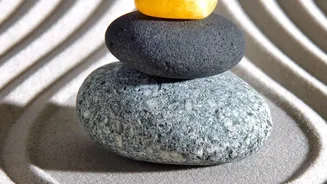
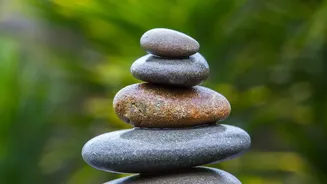
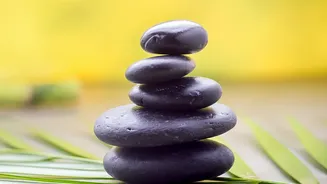
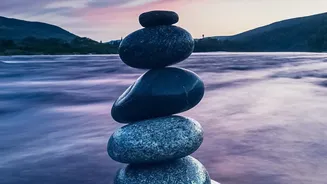
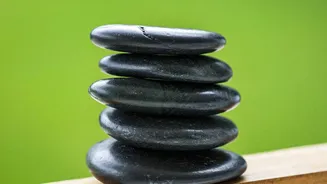
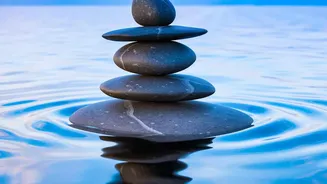
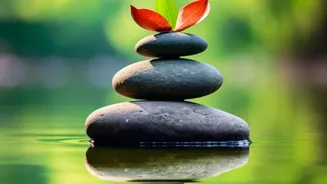
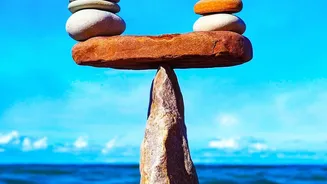
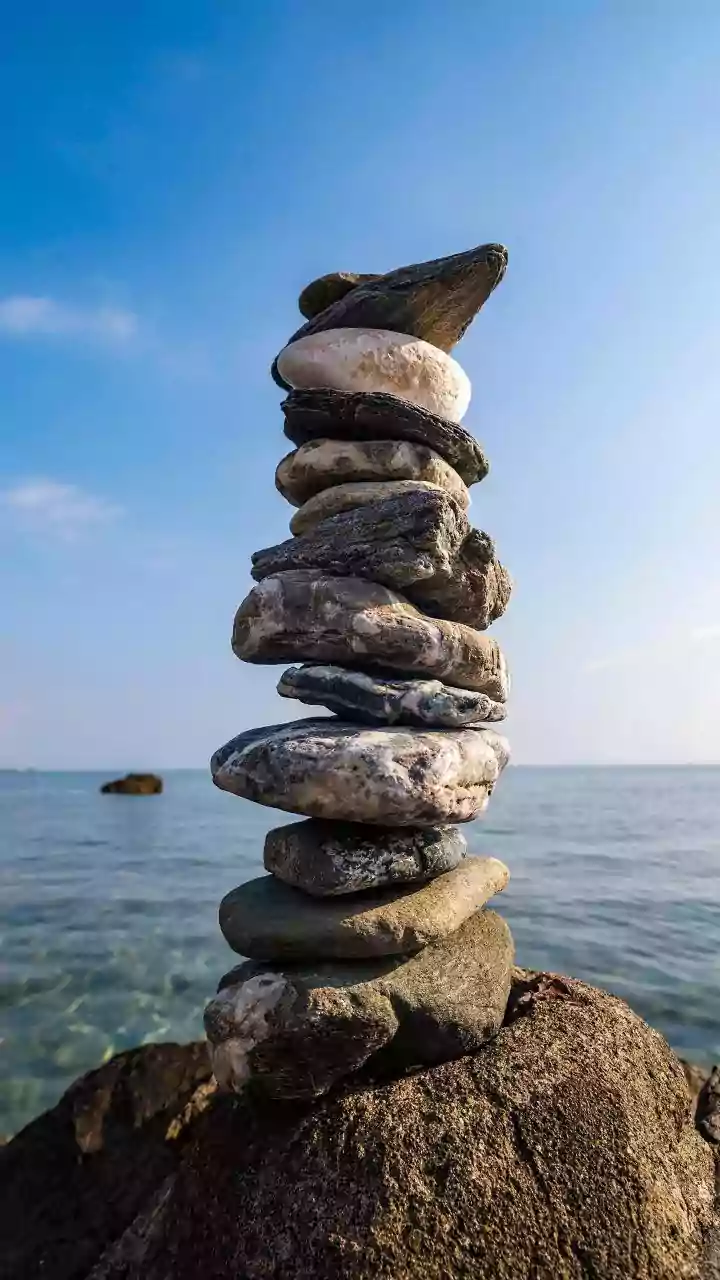
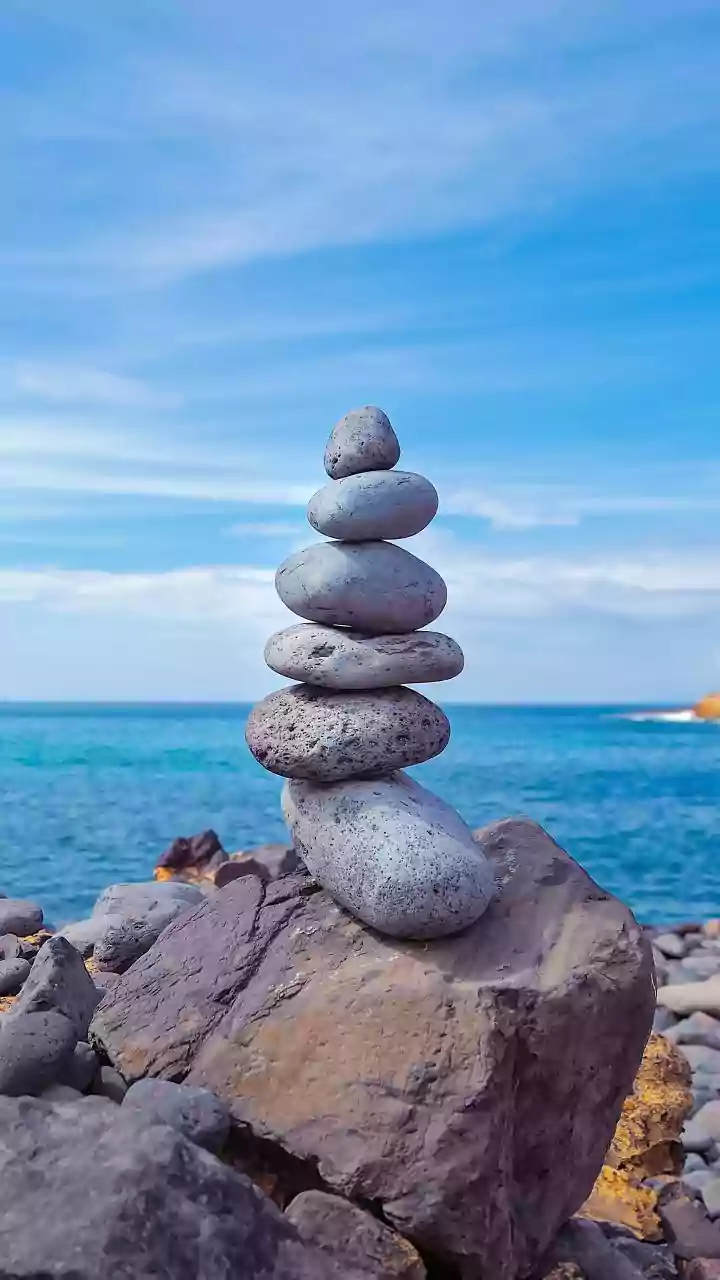
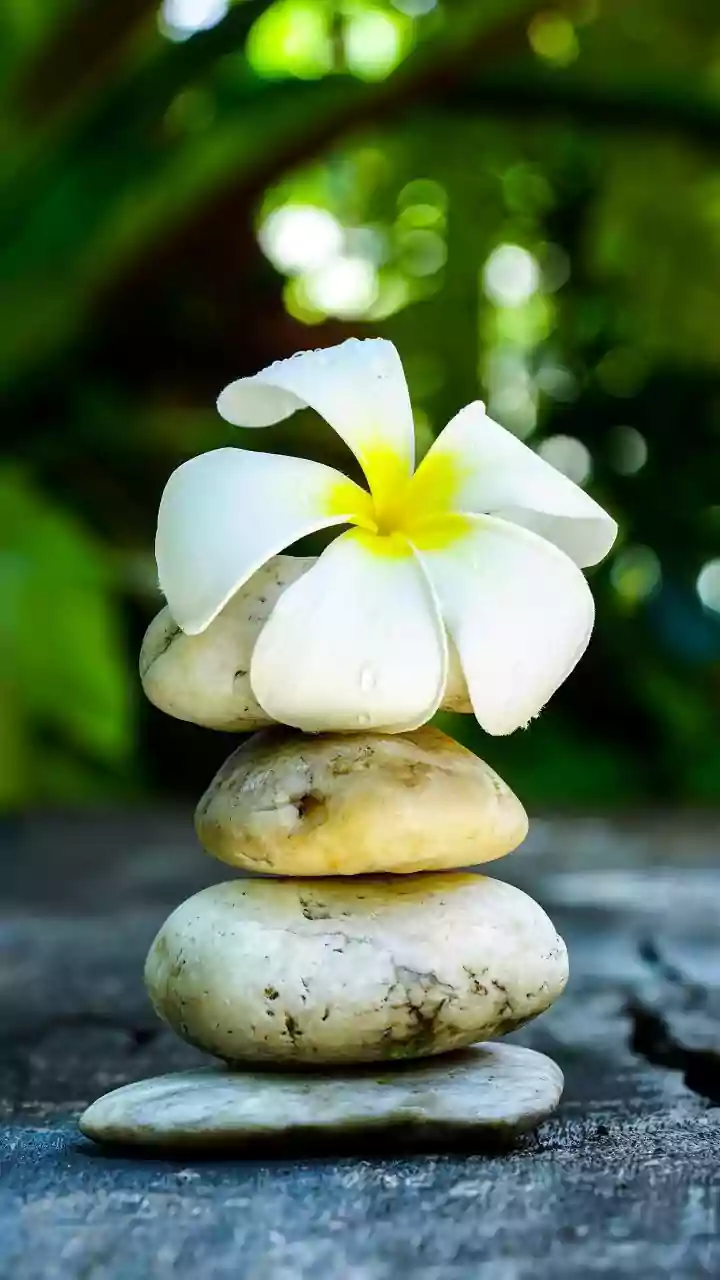
At its heart, stone balancing is an ancient practice that involves arranging natural stones in seemingly precarious positions without using any adhesives, wires, or supports. The only things holding the structure together are gravity and the friction
between the stones. This art form, also known as rock stacking, is practiced by people worldwide for various reasons—as a creative outlet, a performance, or a personal challenge. But for many, its deepest value lies in its function as an active form of meditation. The process requires complete presence, forcing the mind to quiet down and concentrate entirely on the physical task at hand. It’s a dialogue between you, the stones, and the force of gravity.
The Allure of Stillness and Focus
The primary benefit claimed by practitioners is a powerful enhancement of focus and concentration. To find the exact, tiny points of contact that allow two stones to lock into place—a 'click' that practitioners say you can feel—your mind must filter out all other distractions. This single-pointed attention is often described as entering a 'flow state,' a meditative condition where you are fully immersed in an activity. In this state, the endless chatter of the mind subsides, stress levels can decrease, and a sense of calm takes over. The goal isn't just to build a tower; it’s to become so absorbed in the process that everything else fades away.
What Are the Realistic Physical Benefits?
Beyond the mental calm, stone balancing offers tangible benefits for physical coordination. The act of picking up, feeling, and minutely adjusting stones is a significant exercise in hand-eye coordination and fine motor skills. You learn to feel for the centre of gravity and make micro-adjustments with your hands based on visual and tactile feedback. This process develops patience and physical control. Moreover, the practice teaches a valuable lesson in resilience. Stacks will inevitably fall, often after long periods of patient work. Learning to accept this 'failure' with a laugh and simply begin again builds a healthy relationship with impermanence and letting go of attachment to outcomes.
Hype vs. Reality: A Grounded View
While the practice is deeply beneficial for many, it's also surrounded by hype. Some proponents make grand claims about spiritual awakenings or healing serious mental health conditions. While someone’s personal experience is valid, it’s important to view stone balancing as a tool, not a cure. It can be a wonderful, accessible way to practice mindfulness and reduce daily stress, but it is not a substitute for professional therapy or medical treatment for conditions like chronic anxiety or depression. The true magic isn't in a mystical property of the rocks themselves, but in what the simple, focused activity does for your brain: it quiets the noise and grounds you in the present moment.
A Crucial Word on Environmental Etiquette
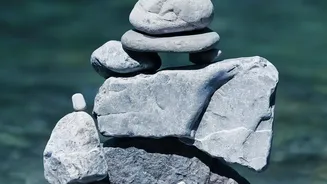
The growing popularity of stone balancing has a significant downside: its environmental impact. Moving stones in natural habitats can cause serious harm. It can lead to soil erosion, damage plant life, and destroy the micro-habitats of insects, crustaceans, and amphibians that live under rocks. In many natural parks, unauthorized rock stacks (known as cairns) can also confuse hikers who rely on officially placed cairns for navigation, potentially leading them into dangerous situations. The most important rule is 'Leave No Trace.' This means leaving the natural environment exactly as you found it. If you build a temporary stack, you must always dismantle it and return the stones to their original positions.
How to Begin Your Own Mindful Practice
The best way to start is responsibly. Practice in your own garden, or find a well-used pebble beach where your activity won't disturb a fragile ecosystem. Start simple. You don't need special equipment, just a collection of different rocks. Begin by trying to balance one rock on another. Feel for the small indentations and points of friction. Try to find the three points of contact that create a stable 'tripod' for the upper stone. Don't aim to build a towering sculpture on your first try. The goal is to focus on the process. Pay attention to the texture of the stones, the subtle shifts in weight, and the feeling of the balance point locking into place. This is where the real benefits are found.