





In a world that constantly pushes us to go faster and farther, the idea of walking slowly on purpose can feel radical. But the growing practice of mindful walking is not about exercise; it’s about trading your usual pace for pure presence.
What Exactly is Mindful Walking?
Mindful walking
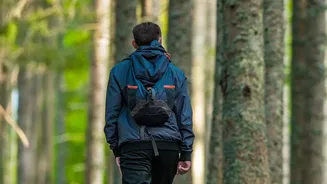
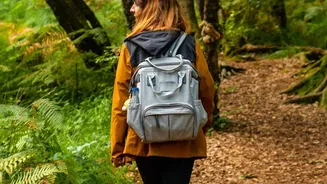
is the simple act of bringing your full attention to the experience of walking. Instead of striding to burn calories, hit a step count, or get from point A to B as quickly as possible, the goal is to become aware of your body and your surroundings. It’s a form of moving meditation where the journey itself is the entire destination. You focus on the physical sensations: the feeling of your feet touching the ground, the rhythm of your breath, the swing of your arms, and the sensory details of the world around you. The practice is less about achieving something and more about arriving in the present moment with each step.
The 'Pace' Trap
Many of us approach walking with a goal-oriented mindset. We track our pace, distance, and time, turning a simple activity into another task to be optimized. While this is great for physical fitness, it can completely bypass the mental benefits that come from slowing down. When the focus is on pace, the mind is often still racing—calculating splits, planning the rest of the day, or listening to a podcast to be more 'productive'. This keeps us stuck in our heads and on autopilot. By constantly pushing for more speed, we miss the opportunity to connect with ourselves and disconnect from the relentless pressure to perform.
The Power of 'Presence'
Shifting the goal from pace to presence unlocks a different set of rewards. Studies and practitioners report that mindful walking can reduce stress, improve mood, and enhance mental focus. By concentrating on the physical act of walking, you anchor yourself in the now, which can calm a racing mind and ease feelings of anxiety and worry. This state of awareness helps you break free from repetitive thought loops. You start to notice small details you'd otherwise miss: the way light filters through leaves, the variety of sounds in the air, the feeling of a breeze on your skin. This simple, intentional connection to your surroundings and your body can cultivate a sense of gratitude and peace that a brisk, distracted walk rarely provides.
Your First Mindful Walk: A Simple Guide
You don’t need special gear or a scenic location; a hallway or your own neighbourhood will do. Start by standing still for a moment. Take a few deep breaths and feel your feet on the ground. Begin to walk at a slower, more deliberate pace than you normally would. Bring your attention to your feet. Notice the sensation of your heel striking the ground, your weight rolling forward, and your toes lifting off for the next step. Sync your breath with your steps if it feels natural. When your mind wanders—and it will—gently acknowledge the thought without judgment and guide your focus back to the feeling of walking. Try to engage all your senses: What do you see, hear, and smell? Even five or ten minutes is enough to feel a benefit.
Making it a Habit
The beauty of mindful walking is its accessibility. You don't need to set aside an hour. You can practice it during everyday activities, like walking to your car, going to the printer at work, or even just moving from one room to another in your home. The key is the intention. Before you start walking, simply set the intention to be present for the journey. Start with short, five-minute walks and build from there. Consistency is more important than duration. A few minutes of mindful presence every day can be more transformative than a long, strenuous walk you only manage once a week. It’s a powerful reminder that sometimes, the best way to move forward is to slow down.