

A Forest Straddling Nations
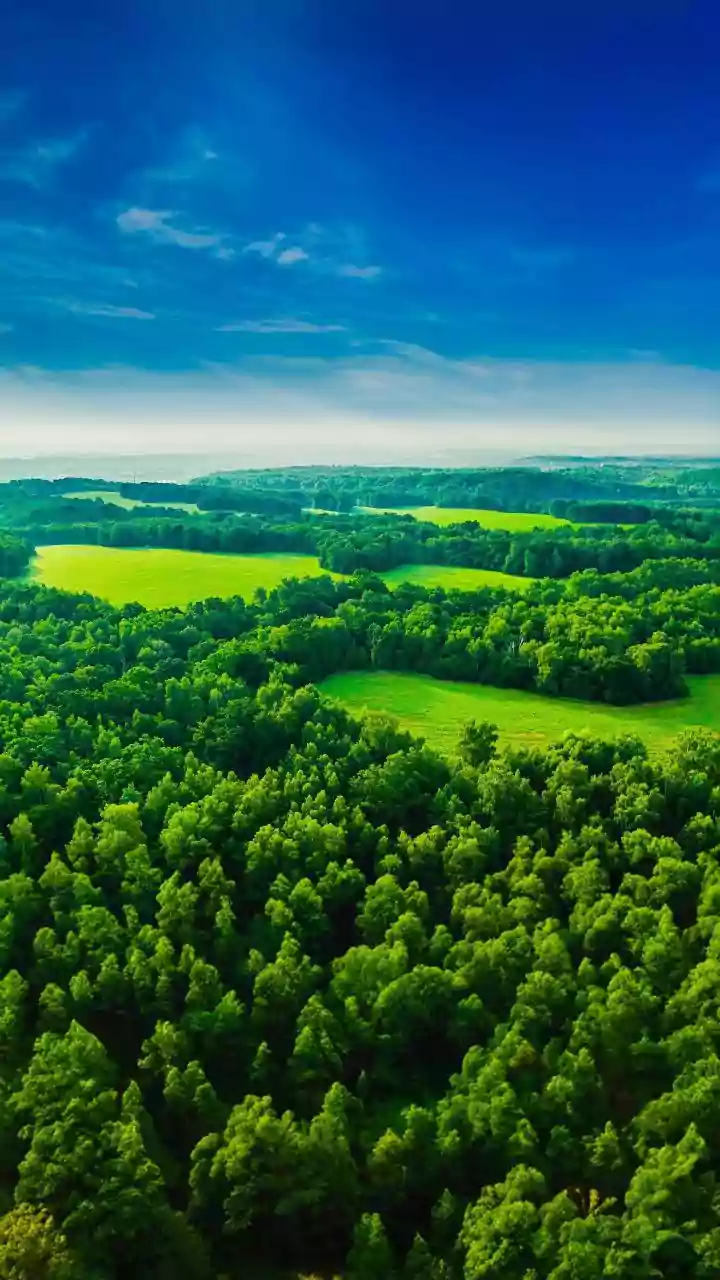
Stretching across the border of Poland and Belarus, Białowieża Forest is a UNESCO World Heritage site and one of the last and largest remaining parts of Europe's lowland primeval forest. Unlike managed woodlands, large parts of Białowieża have never been
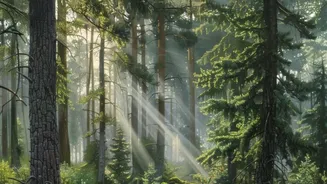
logged or cleared. This has allowed it to retain a unique, old-growth character. The forest is a complex mosaic of ecosystems, from towering deciduous and coniferous trees to wet meadows, river valleys, and marshes. This vast, protected area of over 141,000 hectares is not just a collection of old trees; it is a fully functioning ecosystem with complete food webs, where natural processes that have been extinguished elsewhere continue uninterrupted.
The Kingdom of the Bison
The forest's most iconic resident is the European bison, the continent's heaviest land animal. The story of the bison is a dramatic tale of survival. Hunted to extinction in the wild by 1921, the species only survived thanks to a few individuals kept in zoos. Polish scientists and foresters led a painstaking effort to breed them back from the brink, and in 1952, the first bison were reintroduced into the wild right here in Białowieża. Today, the forest is home to the world's largest free-roaming population, with numbers in the Polish part alone recently estimated at over 1,100 individuals. Every single wild European bison alive today descends from just 12 founder animals, making Białowieża a crucial cradle for the species' recovery.
A Sanctuary of Biodiversity
The primeval nature of Białowieża supports a staggering level of biodiversity. The forest is a living laboratory fueled by a cycle of life and death. Huge quantities of deadwood—fallen trees and decaying logs—are left to lie on the forest floor, something unheard of in managed commercial forests. This decaying wood provides a crucial habitat for thousands of species of fungi, lichens, insects, and mosses. This rich foundation supports an entire ecosystem, including 59 mammal species like wolves, lynx, and otters, and over 250 species of birds, such as the rare white-backed woodpecker and the black stork. The sheer variety of life, from microscopic organisms to large predators, makes it one of the most important biological hotspots in Europe.
An Ecosystem Under Pressure
Despite its protected status, Białowieża faces significant modern threats. In recent years, it has been the centre of a fierce controversy over logging. In 2016, the Polish government approved a tripling of timber harvesting in parts of the forest, citing the need to control a bark beetle outbreak. Conservationists and scientists argued that such outbreaks are a natural part of the forest's lifecycle and that logging would cause irreparable damage. The European Court of Justice eventually ruled the logging illegal, but the conflict highlighted the ongoing struggle between conservation and economic interests. More recently, the construction of a border wall between Poland and Belarus has physically divided the ecosystem, disrupting wildlife movement and raising concerns about the long-term health of animal populations that have always roamed freely across the entire territory.