




Climate change is often framed as a shared global challenge, but its impacts are far from equal. A recent report from Oxfam highlights a stark divide, suggesting the wealthiest are not only better equipped to survive but are actively fuelling the crisis.
A Crisis of Two Halves
A new report from Oxfam, titled 'Disaster Divide', reveals a jarring reality about climate change: it is a crisis of extreme inequality. The report, released in late October 2026, finds that the world’s richest 0.1 percent — a group of about 8 million people — produce more carbon pollution than the poorest 44 percent of humanity combined. This small, ultra-rich group is responsible for a disproportionate share of the emissions driving climate breakdown through lavish lifestyles, frequent use of private jets, and heavy investments in polluting industries. In contrast, those who have contributed the least to the crisis, primarily in lower-income nations and marginalised communities, bear the brunt of its catastrophic consequences like floods, fires, and famine.
The Mechanisms of Escape
For the affluent, wealth acts as a powerful shield against the impacts of a warming planet. The Oxfam report details how the super-rich can easily insulate themselves from climate-related disasters. This 'escape' can take many forms, from owning multiple homes in safer, less-exposed locations to being able to afford private insurance, emergency evacuations, and even private firefighting crews. For them, rising food prices are an inconvenience, not a threat to survival. This ability to simply move away from or pay to mitigate immediate danger creates a separate reality, one where the consequences of their high-carbon activities are felt by others. This disparity is so vast that deaths from flooding are seven times higher in more unequal countries, where people lack the resources to adapt or recover.
Profiting from Pollution and Pain
The report goes a step further, arguing that the wealthy are not just escaping the damage but are also profiting from it. Oxfam notes a 'double dividend' for the planet's most powerful people. First, they profit from investments in the fossil fuel companies and other polluting industries that cause climate breakdown. Second, they profit from the booming 'disaster economy'. The global market for disaster preparedness, recovery, and reconstruction is projected to grow to $92 billion annually by 2029. Major asset management firms like BlackRock and Vanguard are heavily invested in companies that both fuel the crisis and sell the solutions, from flood barriers to disaster loans. As Oxfam puts it, the ultra-rich are 'setting the planet on fire and then charging the rest of us for the extinguishers'.
The Human Cost of Carbon Inequality
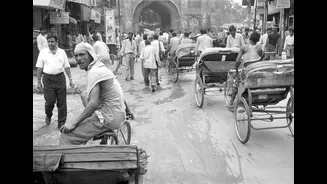
The numbers behind this inequality are staggering and translate into real human suffering. According to Oxfam's analysis, just one year of emissions from the world's richest 1 percent will cause an estimated 1.9 million excess heat-related deaths. An overwhelming 78 percent of these deaths are projected to occur in low and lower-middle-income countries, which are the least responsible for the crisis. In India, this global trend is acutely visible. Vulnerable populations, such as coastal communities facing rising sea levels and farmers battling unpredictable monsoons, have limited capacity to adapt. Meanwhile, affluent urban populations can often afford air conditioning, fortified homes, and other measures to insulate themselves from extreme weather, deepening the divide between those who cause the problem and those who suffer its effects.