



Non-Vegetarian Food and Eggs
Abstaining from meat, fish, and eggs is one of the most widely followed customs during Sawan. This practice is rooted in the principle of non-violence (ahimsa) and is seen as a mark of respect for Lord Shiva. From a seasonal perspective, the monsoon months
coincide with the breeding season for many animals and fish. Historically, before modern refrigeration, avoiding meat during the warm, humid weather was also a practical way to reduce the risk of foodborne illnesses, as bacteria multiply faster.
Onion and Garlic
The exclusion of onion and garlic from Sawan cooking puzzles many, as they are staples in Indian cuisine. The reason is not related to hygiene but to Ayurvedic and spiritual beliefs. According to Ayurveda, foods are classified into three categories: Sattvic (pure), Rajasic (stimulating), and Tamasic (dulling). Onion and garlic are considered Rajasic and Tamasic, believed to generate heat in the body and stimulate passions and restlessness. Since Sawan is a month for cultivating mental clarity and peace, a Sattvic diet that avoids these ingredients is preferred.
Common Table Salt
During fasts observed in Sawan, regular table salt is typically replaced with Sendha Namak, or rock salt. This is because rock salt is considered a purer, unprocessed form of salt, making it suitable for 'vrat' or fasting meals. Common table salt undergoes extensive processing and often contains additives, which is why it is avoided in foods prepared for religious observances. Sendha Namak is seen as a more natural and Sattvic alternative.
Specific Grains and Legumes
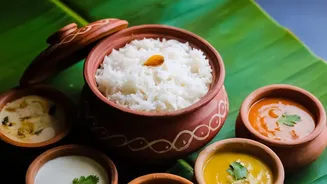
Many devotees observing strict fasts avoid common grains like wheat and rice, as well as most lentils (dals). Instead, they opt for specific 'vrat-friendly' flours and grains. These include Kuttu ka atta (buckwheat flour), Singhare ka atta (water chestnut flour), and Rajgira (amaranth). Similarly, Samak rice (barnyard millet) is used as a substitute for regular rice. These alternatives are considered lighter on the digestive system and are traditionally permitted during fasting periods.
Leafy Green Vegetables
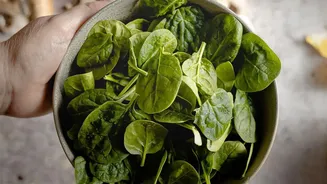
While it may seem counterintuitive to avoid healthy greens, many families traditionally skip leafy vegetables like spinach and fenugreek during Sawan. This practice has a practical, seasonal logic. The monsoon is a time when insects and worms thrive, often hiding in the leaves of green vegetables, making them harder to clean thoroughly. Avoiding them was a traditional precaution to prevent ingesting insects and reduce the risk of stomach infections during a season when digestion is believed to be weaker.
Alcohol and Tobacco
As Sawan is a month focused on spiritual purity, self-control, and devotion, intoxicating substances like alcohol and tobacco are strictly avoided. Consumption of these items is seen as a distraction from spiritual goals, clouding the mind and hindering the discipline that fasting and prayer aim to cultivate. Abstinence is a core part of the purification process, both physically and mentally, that devotees seek to achieve during this holy month.
Certain Vegetables and Dairy
Beyond the more common restrictions, some traditions also advise against consuming brinjal (eggplant). The reasons are often tied to local customs and beliefs. Similarly, some communities avoid curd and dishes made from it, like Kadhi. The rationale is that during the monsoon, digestion can be sluggish, and sour or heavy foods like curd might increase the risk of colds and coughs or feel heavy on the system. However, practices vary widely, and many others do consume milk and milk products during Sawan.