



What is the Current Situation?
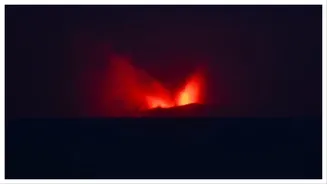
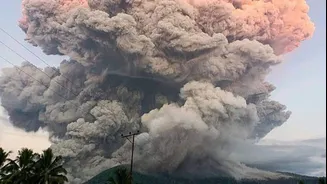
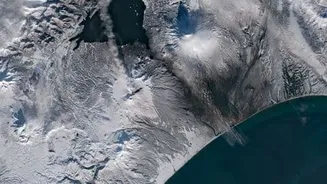
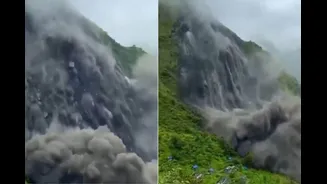
Mount Anak Krakatau, located in the Sunda Strait between the islands of Java and Sumatra, experienced a series of significant eruptions starting late last week. This activity sent vast plumes of volcanic ash high into the atmosphere, with some clouds
reaching an altitude of 50,000 feet. The primary eruption phase, which lasted for about 25 hours, ended early on Sunday, September 6. However, the volcano's activity has continued with smaller, Strombolian-type eruptions, which involve bursts of lava and incandescent rock. Indonesia's Centre for Volcanology and Geological Hazard Mitigation (PVMBG) has maintained the volcano's alert status at Level III (Alert), the third-highest level. Authorities have recommended that no one conduct activities within a three-kilometer radius of the active crater.
Massive Flight Disruptions
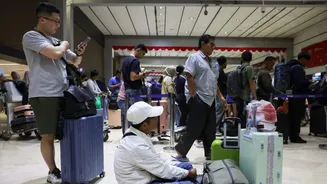
The most immediate and widespread impact has been on air travel. Drifting ash clouds forced the closure of at least eight airports over the weekend, including Jakarta's main international hub, Soekarno-Hatta International Airport (CGK). By Monday, September 7, the number of stranded passengers had reached approximately 341,000, with nearly 3,000 domestic and international flights affected by cancellations, delays, and diversions. Major international carriers, including Singapore Airlines, cancelled services to Jakarta. While some smaller airports began to reopen, major hubs like Soekarno-Hatta saw their closures extended as a precautionary measure due to the unpredictable nature of the wind and ash. Officials have stressed that these measures are critical for aviation safety.
Why Ash is Dangerous for Aircraft
Volcanic ash is not like normal smoke or dust; it consists of tiny, sharp particles of rock and glass. When sucked into a jet engine, the high temperatures can cause these particles to melt and fuse onto critical components like turbine blades and fuel nozzles. This can lead to engine flameouts and catastrophic failure. The abrasive nature of the ash can also damage an aircraft's exterior, including cockpit windows, impairing pilot visibility. Because of these severe risks, airspace contaminated with volcanic ash is strictly avoided, leading to the widespread cancellations and rerouting seen in Indonesia.
The 'Child of Krakatoa'
Anak Krakatau, which translates to "Child of Krakatau," has a formidable legacy. The volcanic island emerged from the sea in the 1920s from the caldera left by the catastrophic 1883 eruption of Krakatoa. That event was one of the most destructive in recorded history, killing an estimated 35,000 people and altering global weather patterns. More recently, a collapse of part of Anak Krakatau's cone in 2018 triggered a deadly tsunami that killed over 400 people. Officials have stated that the current eruption is not expected to generate a tsunami, as the volcano's structure is smaller now than it was in 2018.
Advice for Travellers
If you are scheduled to travel to or from Indonesia, the most important step is to stay informed. Do not go to the airport without confirming your flight's status. Contact your airline directly or check their official website for the most current information on cancellations, delays, and rebooking options. While airports are beginning to reopen, cascading disruptions are likely to continue for some time as airlines work to restore normal schedules. For those in affected areas, authorities recommend wearing a mask when outdoors to protect against inhaling ash particles. Because government agencies have not issued a formal "do not travel" advisory, getting a refund for a voluntarily cancelled trip will depend on your airline's and travel insurance provider's policies.