






The Science of the Lean
That noticeable tilt your plant develops towards a window is a natural process called phototropism. Plants contain a growth hormone called auxin, which dictates how cells develop. On the side of the plant away from the light, these auxins cause cells to grow longer
and more spindly as they stretch to find the sun. The side getting direct light grows shorter and sturdier. Over time, this results in an unbalanced, lopsided plant. Regular rotation helps counteract this by exposing all sides to the light, promoting even, upright growth and a stronger, more stable structure. It also ensures more balanced moisture levels in the soil and better air circulation around the foliage.
Ditch the Uniform Rotation Schedule
The common advice to give every plant a quarter turn each week is a decent starting point, but it isn’t optimal. The ideal rotation frequency depends entirely on the plant's specific light requirements. A sun-loving succulent has very different needs than a shade-tolerant fern, and your rotation strategy should reflect that. Forcing a low-light plant into a high-light rotation schedule can cause stress, while not turning a high-light plant enough will result in a dramatic lean. A sudden 180-degree turn can shock a plant, so gentle, regular quarter-turns are almost always the better approach. The key is to observe your plant's growth and understand where it would thrive in nature.
For High-Light Plants: Frequent Turning is Key
Plants that crave bright, direct sun are the most susceptible to dramatic leaning. This category includes succulents, cacti, crotons, and the ever-popular Fiddle Leaf Fig. Because they are such aggressive light-seekers, they will quickly stretch towards a window. To keep their growth full and symmetrical, these plants benefit most from frequent rotation. A good rule of thumb is to give them a quarter-turn every time you water, or at least once every week or two. This consistent adjustment prevents any one side from becoming bare or leggy and ensures the dense, even foliage that makes these plants so attractive. Without it, you'll quickly see a 'front' side and a very sparse 'back' side.
For Medium-Light Plants: A Balanced Approach
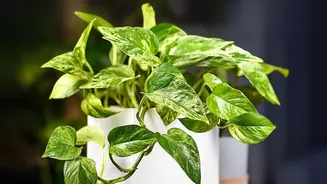
This is the largest category of common houseplants, including favorites like Monsteras, Philodendrons, Pothos, and Prayer Plants. These plants prefer bright, indirect light, meaning they enjoy a sunny room but not direct sunbeams on their leaves. Their tendency to lean is less urgent than that of high-light plants. For these, a quarter-turn every two to three weeks is generally sufficient to maintain a balanced shape. You can easily tie this to your watering schedule; simply rotate them every other time you water. This frequency provides enough of a change to encourage even growth without the constant attention required by sun-worshippers.
For Low-Light Plants: Rotate Infrequently
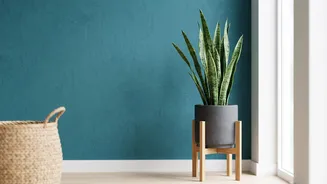
Plants known for their tolerance of low-light conditions, such as the ZZ Plant, Snake Plant, and Peace Lily, are the most forgiving when it comes to rotation. These species are adapted to shadier environments and are not actively stretching for intense light. As a result, they are far less likely to become noticeably lopsided. For these durable plants, rotation is more about occasional aesthetic adjustments than a vital health requirement. A quarter-turn once a month or even every few months is plenty to keep them looking balanced. Some plants, like flowering orchids or Christmas Cacti, should not be rotated at all once they set buds, as the change in light orientation can cause the buds to drop.
Reading the Signs
Your plants will tell you if your rotation schedule is working. Even, full growth with leaves facing multiple directions is a sign of success. On the other hand, if you notice a distinct lean, bare patches on one side, or stretched, spindly stems with large gaps between leaves, your plant is telling you it needs more light or more frequent rotation. Yellowing or scorched leaves might indicate the opposite: the plant is getting too much intense light after a rotation. Pay attention to these visual cues and adjust your routine accordingly. A plant that has already developed a lean can often be corrected by turning its bare side to the light, allowing it to gradually straighten out over several weeks.