








The Promise vs. The Price Tag
The Ude Desh ka Aam Naagrik (UDAN) scheme, launched in 2016, was designed to make air travel affordable for the common citizen by connecting underserved and unserved airports. The model is straightforward: the government provides Viability Gap Funding
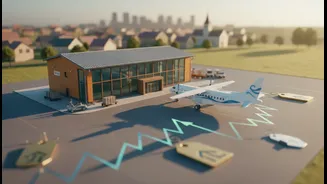
(VGF) to incentivise airlines to operate on routes that might not initially be profitable. In return, a percentage of seats on these flights are subject to a fare cap—initially around ₹2,500 for a one-hour flight. For the small-city traveller, this was supposed to be a game-changer. However, the experience is often frustrating. The number of subsidised seats on any given flight is limited, and once they are sold, dynamic pricing takes over. This can lead to situations where a last-minute ticket for a 60-minute flight from a regional hub costs as much as a flight to a neighbouring country. This price volatility makes planning difficult for families, students, and professionals who rely on air travel for timely connections.
An Airline's Economic Headwinds
From an airline's perspective, regional routes are a complex balancing act. Operational costs in India are notoriously high. Aviation Turbine Fuel (ATF) constitutes 40-50% of an airline's operating expenses, a figure significantly higher than the global average of around 25%, largely due to steep state and central taxes. While the UDAN scheme's VGF is intended to offset these costs, it comes with its own challenges. The subsidy is only provided for a three-year period, after which the route must become commercially self-sustaining. Many routes struggle with low passenger load factors, making them unviable once the funding dries up. In fact, reports have shown that a significant percentage of awarded UDAN routes either never commence operations or are shut down after the concession period ends, highlighting the difficulty in creating a sustainable network. Limited competition on many regional routes, where often only one or two carriers operate, also gives airlines less incentive to lower fares.
The Bottleneck for Regional Economies
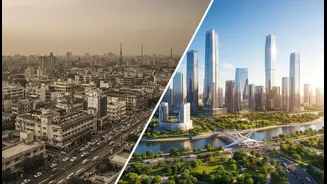
For regional businesses, the lack of reliable and affordable air connectivity is a major roadblock to growth. India's Tier-2 and Tier-3 cities are emerging as the country's new economic engines, with business travel to these areas growing significantly. Sectors like manufacturing, IT, and pharmaceuticals are expanding into non-metro hubs, driving a need for executive and client travel. However, when flight schedules are unpredictable and fares are prohibitively high, it hampers this growth. A business in Coimbatore or Lucknow may find it difficult and expensive to bring in specialists, meet with investors, or ship time-sensitive goods. Tourism, a key source of income for many regional areas, also suffers. While improved connectivity has been shown to boost tourism, unpredictable pricing can deter potential visitors who might opt for more accessible destinations. The promise of economic integration hinges on the free movement of people and capital, and expensive, unreliable flights act as a significant barrier.
Charting a Course for Clearer Skies
So, what does "better guidance" on affordable fares look like? It requires a multi-pronged approach that addresses the concerns of all three stakeholders. For travellers and businesses, greater transparency in how fares are structured is essential. This could involve clearer indications of how many subsidised seats are available on UDAN flights and more predictable pricing tiers for non-subsidised seats. For airlines, the government may need to re-evaluate the VGF model. The newly announced 'Viksit UDAN' plan, with a decade-long outlay, suggests a move toward longer-term financial support to ensure route sustainability. Addressing the structural issue of high ATF taxes remains a critical, albeit politically complex, step toward lowering operational costs across the board. Finally, better data analysis and demand mapping could help planners and airlines identify routes with genuine, year-round potential, rather than relying solely on seasonal or temporary traffic, ensuring that new connections are built on a solid economic foundation.