





The Perfect Post-Monsoon Climate
October ushers in what many consider the best time to visit Jaipur. The weather is transitioning from the humid monsoon months to the cool, dry winter. Daytime temperatures are pleasantly warm, typically ranging from 30 to 33 degrees Celsius, while evenings
become comfortably cool, with lows dropping to around 19 degrees. This comfortable climate is ideal for long hours of sightseeing on foot, allowing you to explore the city's forts and bazaars without the draining heat of summer or the deep chill of a January morning. With nearly 11 hours of daily sunlight and clear blue skies, it's the perfect backdrop for photography and exploration.
A City Alive with Festivals
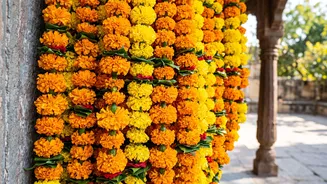
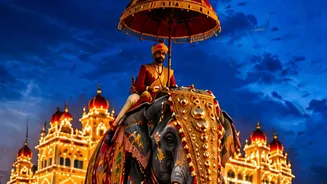
October is not just about pleasant weather; it's a month buzzing with festive energy. In 2026, major celebrations like Dussehra and the immensely popular Diwali fall within the month, transforming the city. Dussehra processions and the burning of Ravana effigies mark the victory of good over evil. Later in the month, Diwali, the festival of lights, sees every building in the Old City, from grand havelis to small shops, illuminated with thousands of clay lamps (diyas) and fairy lights. A walk through the Johari Bazaar during Dhanteras, the day before Diwali, is an unforgettable experience as the market glitters with shoppers buying gold and silver.
Navigating the Historic Walled City
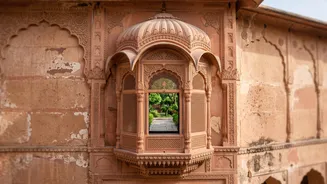
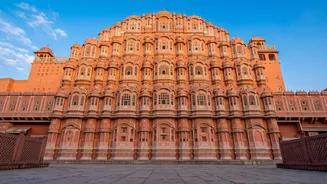
The Old City of Jaipur, a UNESCO World Heritage site since 2019, was meticulously planned in the 18th century and is a joy to explore on foot. The best way to experience its soul is to start early in the morning, before the city fully awakens. Begin your walk near the iconic Hawa Mahal (Palace of Winds) and meander through the grid of streets and chowkris (neighbourhoods). You can wander through the main bazaars like Johari Bazaar, famous for jewellery, and Bapu Bazaar, known for textiles and handicrafts. Don't be afraid to venture into the narrower side lanes, where you'll discover hidden temples, centuries-old havelis, and the workshops of local artisans.
Essential Sights and Tastes
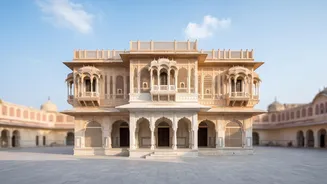
A walking tour offers glimpses of Jaipur's most famous landmarks from a unique perspective. You can admire the intricate facade of the Hawa Mahal, see the entrance to the grand City Palace, and marvel at the astronomical instruments of Jantar Mantar, another UNESCO site. But a walk is also about the sensory details. Pause at a local stall for a masala chai and sample Jaipur's famous street food, such as pyaz kachori or a hot, syrupy jalebi. The scent of flower markets, the sound of metalworkers in the Thatheron ka Raasta, and the vibrant colours of lac bangles in Tripolia Bazaar are experiences that stay with you long after the trip.
Beating the Crowds and High Prices
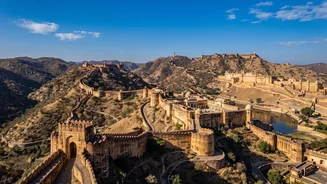
While October marks the beginning of the peak tourist season (which runs until March), it offers a sweet spot. The crowds are generally thinner than in December and January, when holiday travel is at its peak. This means you can explore attractions like the City Palace and Amber Fort with a bit more breathing room. Although prices for hotels and flights begin to rise, booking in advance can still secure good value. Visiting in October allows you to enjoy the benefits of peak season—great weather and a festive atmosphere—with slightly less pressure on both your schedule and your wallet.
Practical Tips for Your Walk
To make the most of your walk, comfort is key. Wear sturdy, comfortable walking shoes as you will be covering a lot of ground. Dress in light, breathable layers; cotton clothes are ideal. You might want a light jacket or shawl for the cooler evenings. Always carry a bottle of water to stay hydrated. While the Old City's grid layout is relatively easy to navigate, don't hesitate to hire an auto-rickshaw for longer distances or when you get tired. Starting your walk early in the morning (around 7 AM) is highly recommended to experience the local life as it unfolds and to avoid the midday sun.