



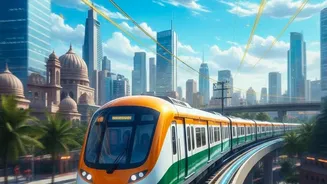
The Connectivity Revolution on the Horizon
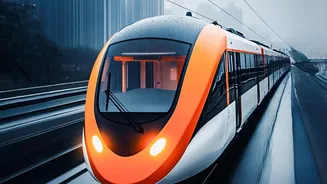
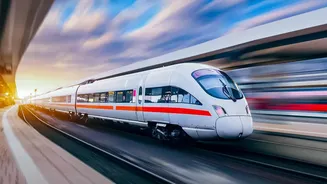
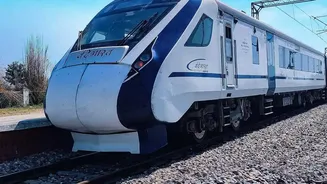
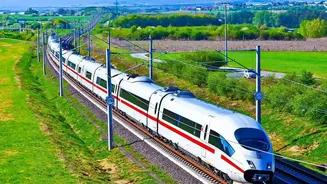
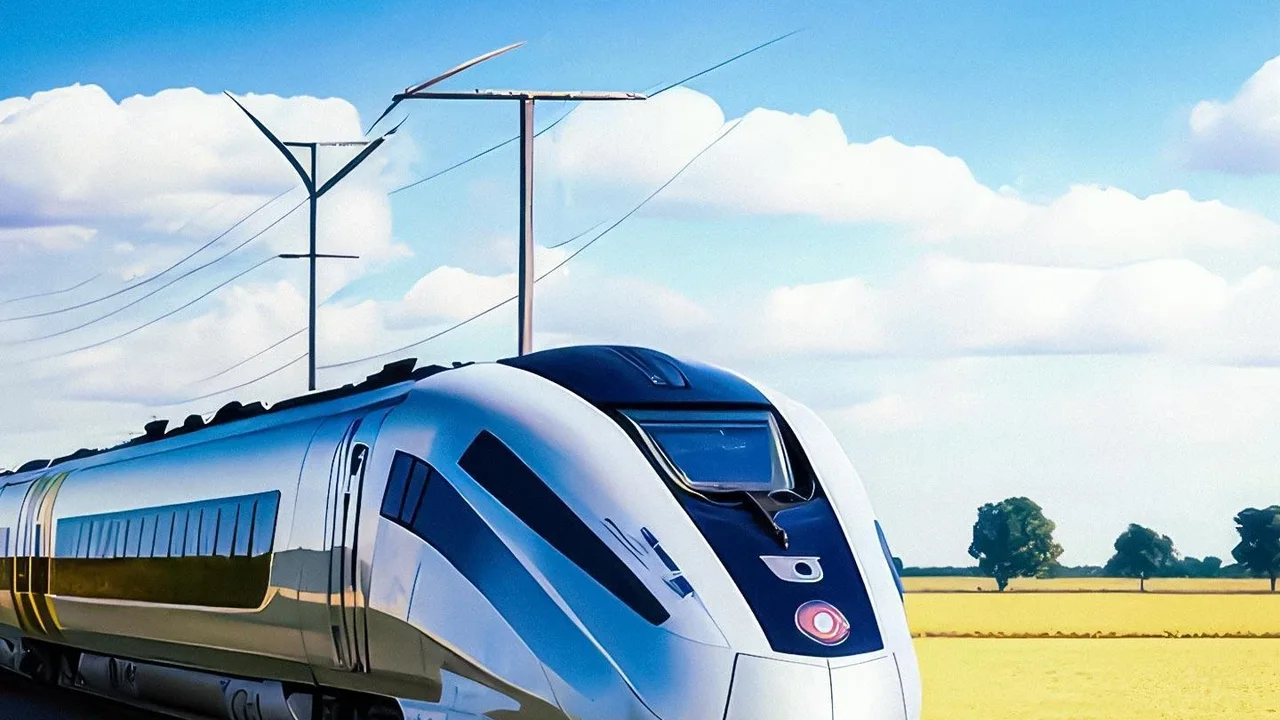
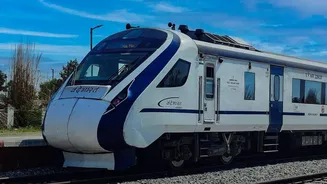
The Delhi-Panipat Namo Bharat corridor is a planned 136.3-kilometre semi-high-speed rail line designed to drastically cut travel time between the national capital and key Haryana cities, including Sonipat, Panipat, and eventually Karnal. Part of the larger
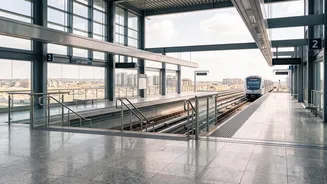
Regional Rapid Transit System (RRTS), the project aims to run trains at an operating speed of 160 km/h, reducing the Delhi-to-Panipat journey to just about one hour, down from the current two to three hours. The corridor, developed by the National Capital Region Transport Corporation (NCRTC), is estimated to cost around ₹33,051 crore and is slated for completion by 2030. It will feature 22 stations, creating a seamless transit network that links residential and industrial hubs directly to Delhi's economic centre.
Navigating the Final Hurdles
While the project has received crucial approvals from the Haryana government and the National Highways Authority of India (NHAI) for land use, the final green light from the Union Cabinet is still awaited as of late 2026. This 'awaiting final clearances' stage is a critical juncture. Preliminary work, such as shifting utilities along a 22-km stretch between Narela and Murthal, has already begun, signalling strong intent. However, the real estate market is watching closely for the final sanction, which will trigger the formal start of major construction and solidify investor confidence. The Haryana government has already included the corridor in its Transit-Oriented Development (TOD) policy, which encourages higher-density mixed-use development around stations, setting the stage for a planned urban boom.
Sonipat: The Next Real Estate Hotspot?
Sonipat is arguably the biggest potential beneficiary of the Namo Bharat plan. Its proximity to Delhi already makes it an attractive satellite city, but the RRTS is expected to be a game-changer. Experts predict a surge in demand for both residential and commercial properties, particularly in areas near the proposed stations like Kundli, Rajiv Gandhi Education City, and Murthal. These areas are expected to attract professionals and families seeking more affordable housing options without a gruelling commute. The focus is not just on apartments; there is also rising interest in plotted developments, driven by a preference for land ownership. Micro-markets like Kundli, which is adjacent to the Delhi border and already has strong industrial activity, are expected to see significant appreciation as connectivity improves.
Panipat: A City on the Cusp of Change
Further down the line, Panipat is also poised for a real estate uplift. Traditionally known as an industrial city, Panipat's housing market is becoming more organized, with a shift towards planned townships that combine residential plots, floors, and commercial spaces. The RRTS, with proposed stations like Samalkha and Panipat North, will integrate the city more closely with the NCR. This improved connectivity is expected to make Panipat a viable option for those priced out of Delhi and even Sonipat, boosting demand for residential properties. For Panipat, the Namo Bharat corridor represents an opportunity to transition from a primarily industrial town to a balanced urban centre with a thriving residential sector.
A Word of Caution for Buyers
While the promise is immense, potential investors should proceed with a clear strategy. The real estate axiom 'location, location, location' will be more critical than ever. Property values are expected to appreciate most significantly in zones closest to the RRTS stations. Experts advise buyers to carefully study the proposed route and station locations before investing. Furthermore, the market has already begun to factor in some of the expected price rises. While the 2030 completion target seems distant, the period leading up to it will likely see phased development and fluctuating prices. The final approval from the central government remains the key milestone that will unlock the full potential of this infrastructure project and its impact on the region's property landscape.