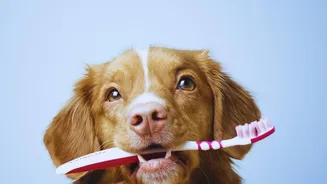




A New Era of Pet Parenthood
The way we think about our pets has fundamentally changed. A growing trend in India and across the globe is 'pet humanisation', where pets are viewed as integral family members. This shift has led to a boom in the pet care industry, with owners investing
more in their companions' overall well-being. While grooming and nutrition have long been priorities, savvy 'pawrents' are now zooming in on dental health, recognising it as a cornerstone of a long and healthy life. This isn't just about managing 'doggy breath'; it's about preventing serious, systemic diseases that can begin silently in the mouth.
The Dangers Lurking Below the Gumline
Dental disease is one of the most common health problems diagnosed in dogs and cats, with some studies showing that over 80% of dogs over the age of three are affected. The issue starts with plaque, a sticky film of bacteria that forms on teeth. If not removed, it hardens into tartar, leading to gum inflammation (gingivitis) and eventually periodontal disease. The real danger is when bacteria from infected gums enter the bloodstream. This process, known as bacteremia, can spread infection and inflammation to vital organs, significantly increasing the risk of heart, kidney, and liver disease. Research has shown that dogs with advanced periodontal disease are more likely to develop chronic kidney issues and infections of the heart valves.
How to Spot the Silent Signs
Pets are masters at hiding pain, which is why dental problems often go unnoticed until they are severe. However, there are subtle clues every owner can watch for. The most obvious sign is persistent bad breath, which is much stronger than typical pet breath. Other warning signs include red, swollen, or bleeding gums; yellow-brown tartar buildup on the teeth; and changes in eating habits. You might notice your pet dropping food, chewing on only one side of their mouth, or suddenly preferring soft food over kibble. Behavioural changes like irritability, shying away from head pats, or pawing at the mouth can also signal oral discomfort.
The Importance of Professional Cleaning
While at-home care is crucial, it cannot replace professional veterinary dental cleanings. These procedures are performed under general anaesthesia, which allows the veterinary team to safely and thoroughly clean above and below the gumline, where the most dangerous bacteria thrive. A professional cleaning involves a complete oral exam, dental X-rays to check the health of the tooth roots and jawbone, and scaling to remove plaque and tartar. After scaling, the teeth are polished to create a smooth surface that makes it harder for new plaque to stick. This comprehensive approach is the only way to identify and treat hidden issues like root damage or bone loss before they cause irreversible harm.
Building an At-Home Dental Care Routine
Preventing dental disease starts at home with a consistent routine. Brushing your pet's teeth several times a week is the most effective way to remove plaque. Always use a toothpaste formulated specifically for pets, as human toothpaste contains ingredients that are toxic to animals. Introduce brushing slowly, letting your pet get used to the taste of the toothpaste and the feeling of having their mouth handled. If brushing isn't feasible, there are other effective options. Dental chews and toys approved by veterinary bodies can help scrape away plaque. Water additives and oral rinses can also reduce bacteria and freshen breath with minimal effort. The key is to choose a method you can stick with consistently.