
Building a permanent home on the Moon is no longer science fiction. But before astronauts can live and work there, NASA needs to solve some fundamental problems: How do you talk to each other, and how do you get around? This is where industry comes in.
The New Lunar Gold Rush
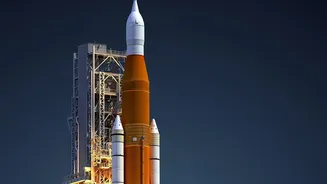
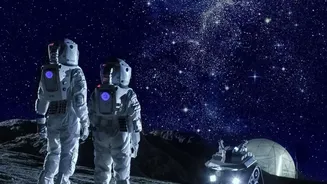
NASA's Artemis program aims to establish a long-term human presence on the Moon, starting with a base camp at the lunar south pole. Unlike the Apollo missions, which were entirely government-run, NASA is now turning to the private sector to develop the necessary technologies faster and more affordably. This has sparked a new kind of space race, not between nations, but among innovative companies. Through initiatives like the Lunar Surface Innovation Initiative (LSII) and various incentive prizes, NASA is fostering a commercial ecosystem for space. These contests challenge companies and even students to design solutions for everything from power systems to construction. Two of the most critical areas are communications and mobility, the foundational elements for any functioning off-world settlement.
The Challenge of Staying Connected
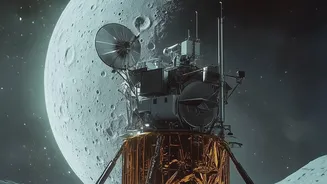
On Earth, we take seamless communication for granted. On the Moon, it's a monumental challenge. There's no atmosphere to bounce signals, meaning communication is mostly line-of-sight. Hills, crater walls, or even a lander can block a signal completely. The 1.5 to 2-second communication delay to Earth makes real-time control difficult and potentially hazardous. Furthermore, the extreme temperature swings, which can exceed 300°C between lunar day and night, wreak havoc on sensitive electronics. A reliable network is essential for connecting astronauts to each other, to robotic equipment, and to mission control back on Earth. A momentary loss of contact could be catastrophic. To solve this, companies are exploring concepts like constellations of small lunar satellites to provide continuous coverage, much like the GPS network on Earth, and advanced laser communication systems for high-speed data transfer between lunar assets.
Getting Around on the Lunar Surface
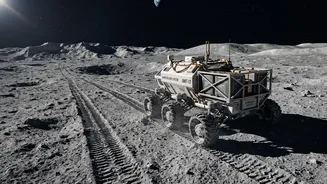
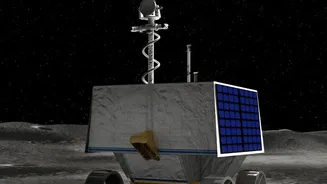
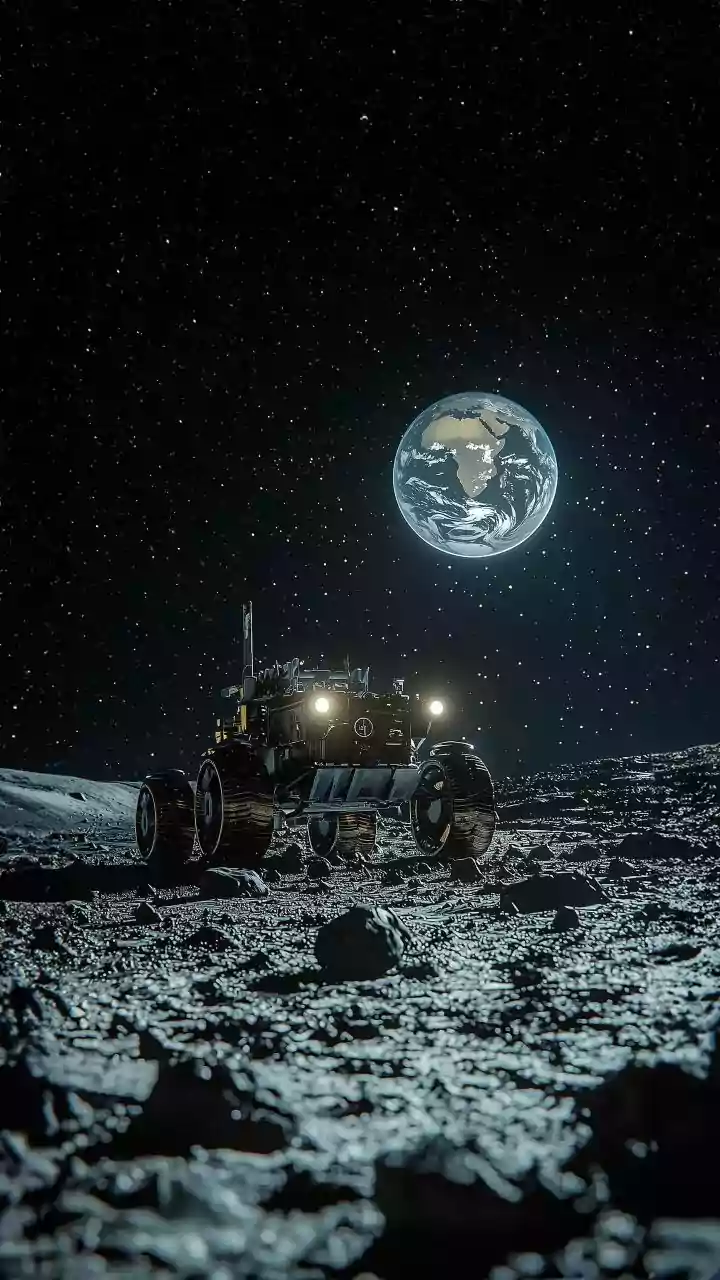
The lunar surface is a hostile environment for any vehicle. It's covered in regolith, a blanket of fine, abrasive dust that is electrostatically charged and gets into everything, clogging mechanisms and destroying seals. The terrain is rugged and largely unmapped. To truly explore and build, astronauts will need vehicles far more advanced than the simple, single-use rovers of the Apollo era. NASA is seeking a new generation of Lunar Terrain Vehicles (LTVs) that are durable enough to last for years, can be operated by astronauts, and can also drive autonomously to perform scientific tasks or transport cargo when no crew is present. Companies like Intuitive Machines, Lunar Outpost, and Astrolab are developing unpressurized rovers designed to carry two astronauts, scientific instruments, and a significant amount of cargo. These next-generation 'moon buggies' will feature advanced navigation, robotic arms for maintenance, and robust power systems, effectively serving as mobile workhorses for the Artemis pioneers.
Building a Cislunar Economy
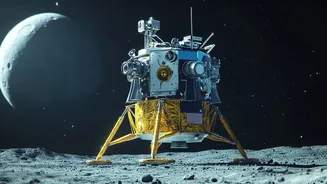
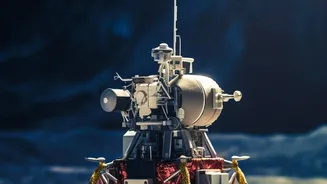
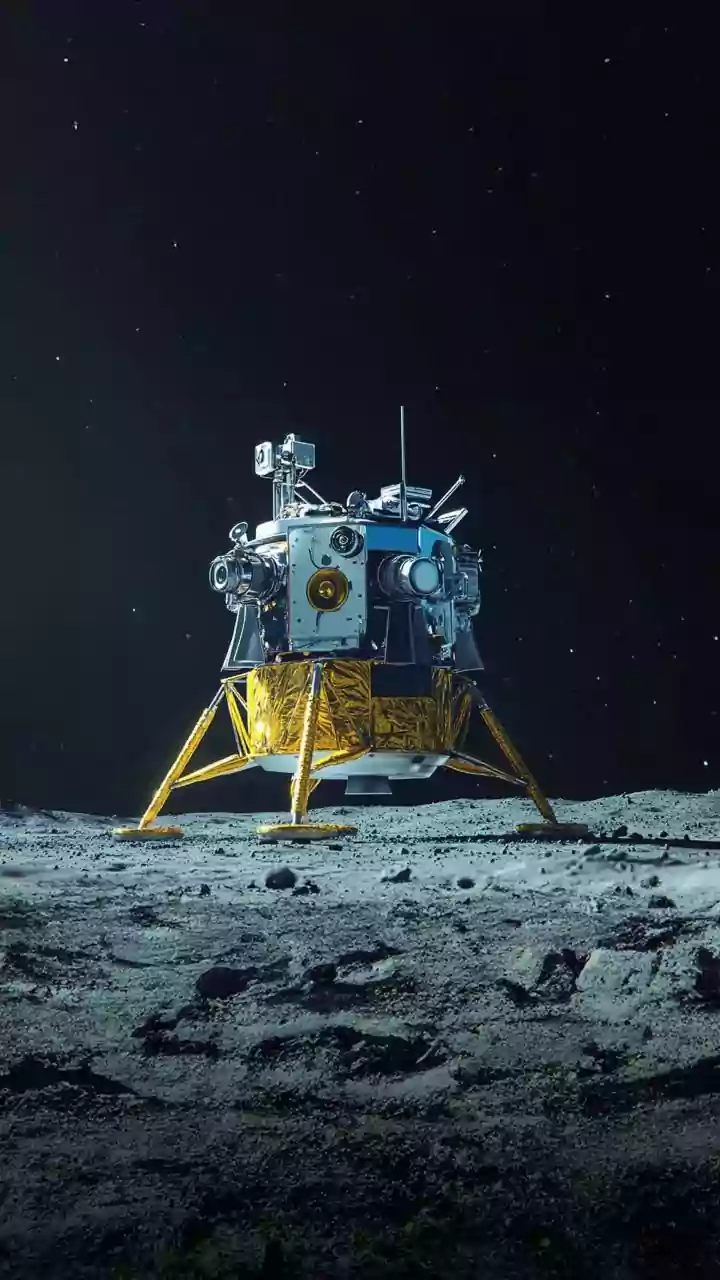
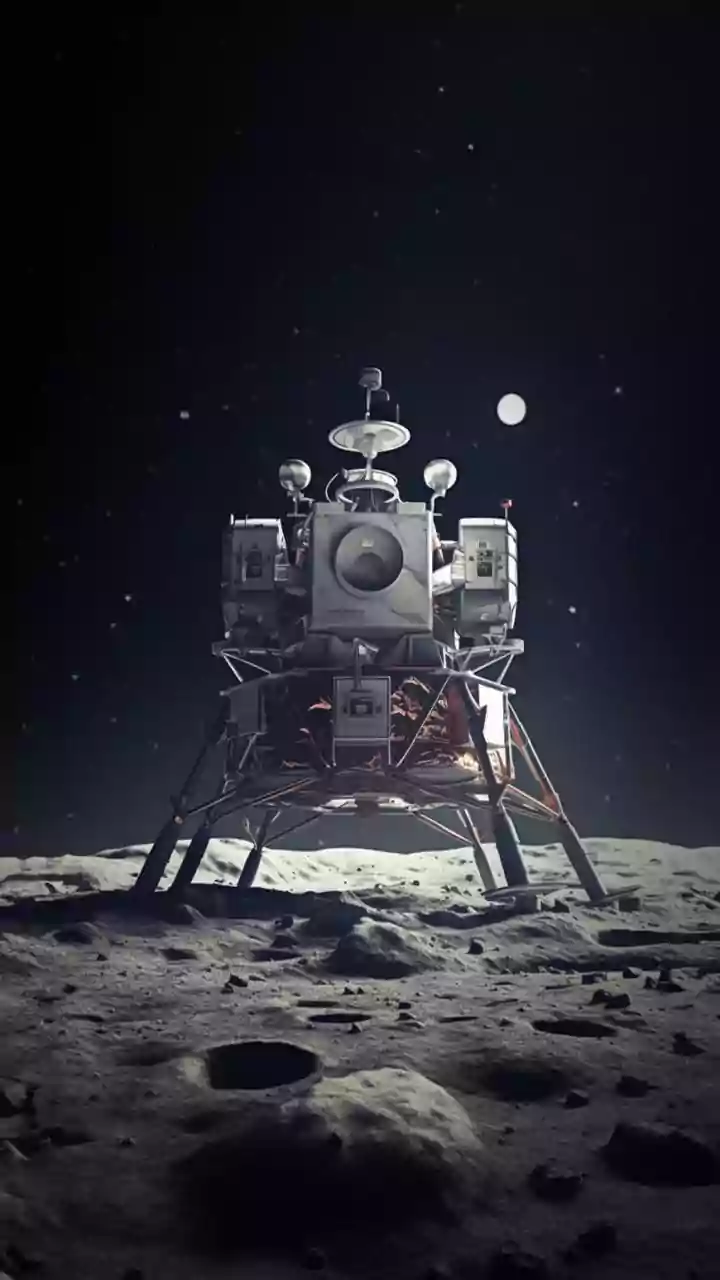
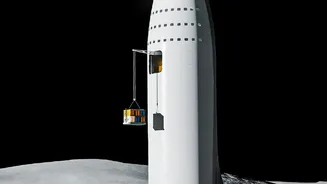
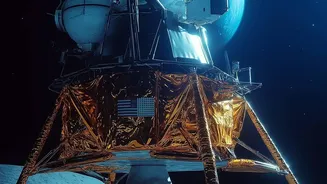
By outsourcing these complex engineering problems, NASA is doing more than just preparing for the next moon landing; it's seeding a self-sustaining lunar economy. Programs like the Commercial Lunar Payload Services (CLPS) initiative allow NASA to buy services from private companies, paying them to deliver science and technology to the lunar surface on their own landers. This creates a market for lunar transportation and services, encouraging companies like Firefly Aerospace, Blue Origin, and SpaceX to invest in the infrastructure needed for a permanent presence. Competitions like the 'Break the Ice' challenge, which focuses on excavating lunar water ice, have awarded millions to companies like Redwire and Terra Engineering, proving the viability of resource utilization on the Moon. These efforts are the building blocks of a future where commercial activity extends from Earth into the cislunar domain—the space between Earth and the Moon.