





The Shift to a Slower Goa
The classic image of Goa is one of sun-drenched shores and bustling December crowds. But a significant travel trend is reshaping its identity. Recent data shows a nearly 40% year-on-year increase in domestic searches for monsoon travel to Goa, with a preference
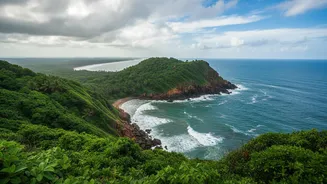
for spontaneous, short holidays of three to five days. This shift, dubbed the 'micro-cation' trend, is driven by travellers seeking authentic local culture and slower-paced experiences over crowded tourist traps. The monsoon, once considered the off-season, is now attracting couples, families, and remote workers who desire a quieter, more affordable escape. With fewer tourists, the beaches become peaceful stretches of sand, perfect for long walks and quiet reflection. The state's tourism department has leaned into this, promoting regenerative tourism that encourages visitors to explore beyond the coast.
A Paradise Reimagined in Green
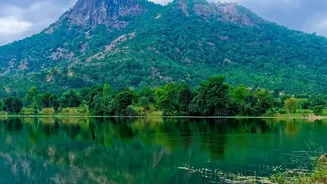
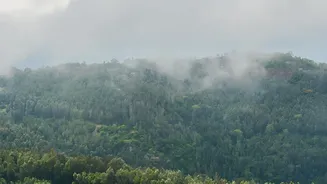
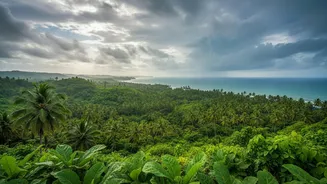
During the monsoon months of June to September, Goa undergoes a dramatic transformation. The landscape, washed clean by the rains, turns into a vibrant canvas of emerald paddy fields and lush forests. This is when the state’s natural beauty is at its most powerful. Waterfalls like the iconic Dudhsagar, one of India's tallest, swell to their full, spectacular force, creating a sight that is largely missed during the dry winter. The hinterlands and wildlife sanctuaries, including Mollem National Park and the Salim Ali Bird Sanctuary, come alive, offering incredible opportunities for trekking, bird-watching, and photography. Driving through quiet villages like Assagao and Divar Island reveals a more soulful side of Goa, with rain-washed Portuguese-era homes and mist-covered lanes.
Wellness and Culinary Adventures
The tranquil atmosphere of monsoon Goa makes it an ideal setting for wellness and relaxation. Ayurveda, India's traditional science of healing, considers the rainy season the best time for treatments because the cool, moist air makes the body more receptive to therapeutic oils. As a result, wellness centres and yoga retreats see a surge in visitors seeking detox programs and meditation. The culinary scene also takes on a unique seasonal flavour. With deep-sea fishing paused, the focus shifts to comforting local dishes. Food trails and cooking classes offer a chance to savour rare monsoon delicacies like wild forest mushrooms (roen almi), fresh river crabs, and the sweet steamed patoleo, a rice cake wrapped in fragrant turmeric leaves.
The Smart and Accessible Getaway
One of the most compelling reasons for this new travel trend is value. During the monsoon, flights and accommodation are significantly cheaper, with hotels often offering discounts of 30-50% compared to the peak season. This allows travellers to experience luxury stays, from boutique heritage properties to private villas, at a fraction of the cost. The rise of 'workations' also plays a part, with remote workers taking advantage of lower rates for longer stays in a serene environment that still offers good connectivity and a vibrant café culture. This combination of affordability, natural beauty, and a slower pace makes a short monsoon break in Goa an attractive proposition for those needing a quick yet meaningful escape from city life.