




The Vertical Traffic Jam
The scenes have become distressingly familiar. In the summer of 2026, viral videos and news reports painted a grim picture of India's most beloved mountain retreats. Manali, a gateway to the Himalayas, saw traffic snarled for kilometres as tourists rushed
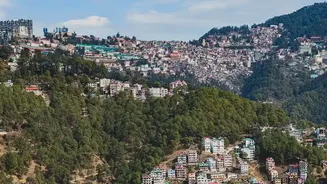
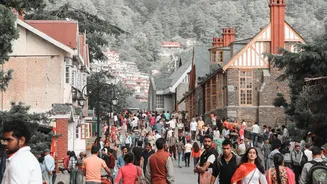
towards Rohtang Pass. Shimla, the 'Queen of Hills', reportedly had nearly 70,000 vehicles enter in just 72 hours during one peak period, overwhelming its colonial-era roads. Mussoorie, once a quiet getaway, now battles congestion exacerbated by improved highways like the Delhi-Dehradun Expressway, which has made weekend trips almost too easy. This isn't just a weekend rush; it's a systemic crisis. These towns, built for a fraction of their current visitor load, are now buckling under the pressure of their own popularity, morphing from tranquil escapes into vertical cities gridlocked with traffic and noise.
A Perfect Storm of Pressures
Several factors are converging to create this crisis. Intense heatwaves across the northern plains are driving a desperate exodus to cooler altitudes, a phenomenon now termed climate-driven tourism. This is compounded by rising disposable incomes and a post-pandemic urge to travel, which has seen domestic tourism boom. Improved infrastructure, meant to provide convenience, has inadvertently enabled spontaneous, high-volume travel that fragile mountain towns cannot absorb. The result is a cycle where every holiday season or heatwave triggers a massive influx, putting immense strain on local resources. Hotels report high occupancy, and local businesses benefit, but the infrastructure—roads, parking, and public services—simply cannot keep pace.
The Unseen Environmental Cost
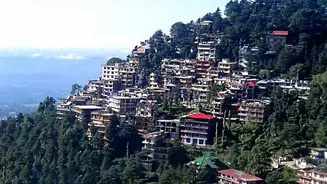
Beyond the visible chaos of traffic lies a deeper, more insidious decay. The very charm that tourists seek is being systematically eroded. Unregulated construction of hotels and guesthouses has led to deforestation and the replacement of green hillsides with concrete. This, combined with heavy tourist footfall, contributes to soil erosion and increases the risk of landslides in these geologically sensitive zones. The most critical impact is on water. Many hill stations now face acute water shortages during peak tourist season, a crisis driven by the massive demand from hotels and visitors. Residents in places like Shimla have faced water rationing for years, even as new infrastructure projects struggle to meet the ever-growing demand. Furthermore, waste management systems are overwhelmed, with plastic bottles and other non-biodegradable trash choking streams and forests.
Searching for a Sustainable Path
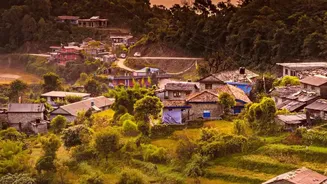
In response to the growing crisis, there is a nascent but growing movement towards sustainable tourism. Some authorities are experimenting with visitor caps and stricter regulations on vehicle entry. However, the real shift is happening among travellers themselves. A growing number are now seeking out 'offbeat' destinations, using popular towns like Shimla and Manali merely as transit points to reach quieter, nearby villages such as Theog, Vashisht, or Naggar. This trend has fueled the growth of homestays, which offer a more authentic and less crowded experience. Simultaneously, organizations and local communities are pushing for responsible travel practices, including waste reduction and the use of eco-friendly accommodations. Initiatives in Ladakh aim to promote the region as a destination for sustainable motorcycle tourism, showing a possible path forward that balances economic benefit with ecological preservation.