



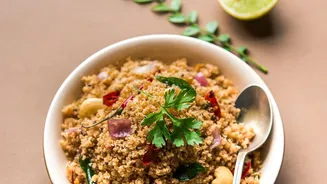
The Golden Rules: Soaking and Rinsing
Before you even turn on the stove, the two most important steps are rinsing and soaking. Rinsing your grains under cold water removes any dust or impurities. Soaking, while sometimes optional, is highly recommended. Soaking grains like millets for at least
30 minutes, or even overnight, makes them easier to digest and can significantly reduce cooking time. It helps soften the grain, ensuring a more even and tender result. For many millets, a quick 30-minute soak is enough, but some denser grains benefit from a longer 6-8 hour soak. Always remember to discard the soaking water and give the grains a final rinse before cooking.
Mastering Millets (Jowar, Bajra, Ragi)
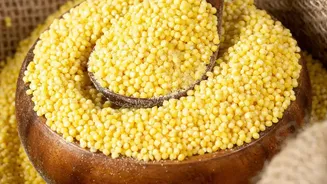
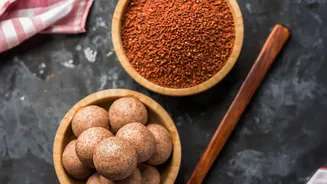
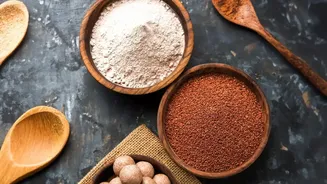
Millets are a diverse group of small-seeded grasses that have been staples in India for centuries. The key to cooking them well is the water ratio. For a fluffy, rice-like texture perfect for serving as a side dish, a 1:2 ratio of millet to water is a reliable starting point for stovetop cooking. Bring the water to a boil, add the rinsed millet, reduce the heat to a simmer, cover, and cook for about 15-20 minutes, or until the water is absorbed. After cooking, let it rest, covered and off the heat, for about 10 minutes before fluffing with a fork. This resting period is crucial for achieving separate, fluffy grains. For a creamier, porridge-like consistency, simply increase the water ratio to 1:3.
A Note on Toasting
For an extra layer of flavour, consider toasting your millets before adding water. Place the rinsed, dry grains in a pan over medium heat and stir for a few minutes until they become fragrant and a shade darker. This simple step enhances their natural nutty taste and is wonderful for dishes like pulao or salads. However, if you're in a hurry or making a dish with a strong sauce, you can skip this step without any issue.
Amaranth: The Quick-Cooking Powerhouse
Amaranth (rajgira) is a tiny pseudo-cereal that cooks into a creamy, porridge-like dish. It's naturally gluten-free and packed with protein. Cooking amaranth is incredibly straightforward. The typical ratio is 1 cup of amaranth to 2.5 or 3 cups of water or another liquid. Bring the liquid to a boil, add the amaranth, reduce to a simmer, and cook for about 20-25 minutes, stirring occasionally until it thickens into a consistency similar to grits or porridge. Amaranth can be made savoury with broth and spices or sweet with milk, honey, and fruit. You can even pop it like popcorn by heating a dry skillet and adding the grains in a single layer for a crunchy topping on salads or yogurt.
Broken Wheat (Daliya): The One-Pot Wonder
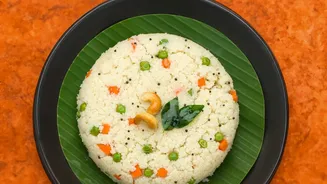
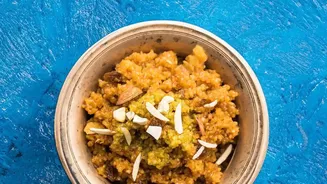
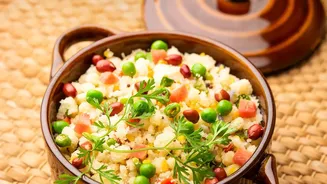
Daliya, or broken wheat, is a beloved comfort food across India, often prepared as a savory khichdi or a sweet porridge. Its beauty lies in its adaptability to one-pot cooking, especially in a pressure cooker. For a savory vegetable daliya, simply sauté spices, onions, and mixed vegetables in the cooker, add the rinsed daliya, and toast for a minute. Then, add water (a common ratio is 1 cup of daliya to 2 or 3 cups of water) and pressure cook for about 2-3 whistles. For a sweet version, you can cook the daliya with milk and/or water and then sweeten it with jaggery or sugar.