



The Paradise Paradox
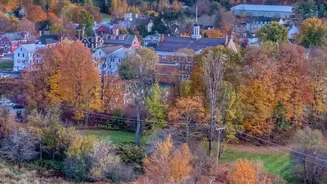
Shimla, Manali, Mussoorie, and Nainital were once idyllic retreats, but their very popularity is now threatening their existence. An explosive combination of heatwaves in the plains, improved road access, and the desire for a quick getaway has turned
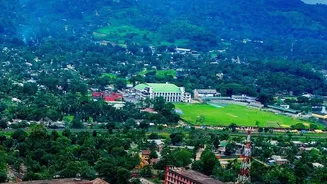
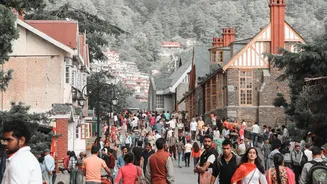
these towns into hotspots of overtourism. During peak season, destinations like Mussoorie have been reported to host crowds up to five times their carrying capacity. This seasonal surge transforms serene landscapes into chaotic urban sprawls, where the experience is less about nature and more about navigating gridlock. The charm that drew millions is fading, replaced by the stress they had hoped to leave behind.
Gridlock at High Altitude
The most visible symptom of this crisis is traffic. The narrow, colonial-era roads of these towns were never built to handle the sheer volume of modern vehicles. During summer weekends, it is not uncommon for tourists to be stuck in traffic jams for six to eight hours, with bumper-to-bumper queues stretching for kilometers. In May 2026, Shimla saw nearly 8 lakh tourist vehicles enter the city, overwhelming its limited infrastructure and parking capacity of just a few thousand. This constant congestion not only ruins the holiday experience but also creates chaos for local residents and leads to soaring air and noise pollution in once-pristine environments.
The Hidden Costs of Development
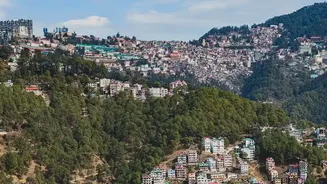
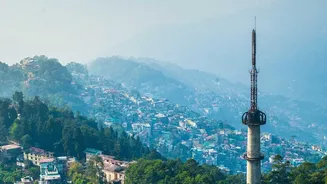
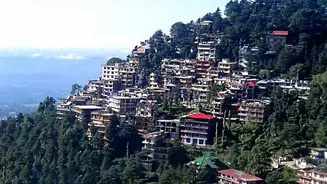
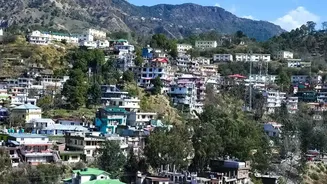
Beyond the traffic jams, a deeper crisis is unfolding. Unplanned and often unregulated construction is rampant, with concrete hotels and commercial buildings replacing green hillsides and agricultural lands. This 'concrete jungle' effect destabilizes fragile slopes, increasing the risk of landslides in a geologically active region. The environmental toll is immense. In Manali, for instance, waste generation during peak season far exceeds the town's management capacity, with an estimated 35 metric tonnes of solid waste produced daily. Sewage systems are similarly overwhelmed, leading to the pollution of clean water sources that are vital for downstream communities.
A Diminished Experience for All
The consequences of this unsustainable boom are felt by everyone. For tourists, the promise of peace is broken by overcrowded viewpoints, sold-out hotels, and endless queues. The focus shifts from enjoying the mountains to simply surviving the logistics of the trip. For local communities, the impact is even more profound. While tourism is a crucial part of the economy, contributing significantly to the GDP of states like Himachal Pradesh, the strain on resources is becoming unbearable. Locals face severe water shortages, a higher cost of living, and the erosion of their cultural identity as their hometowns cater exclusively to a transient population.
Searching for a Sustainable Future
Recognizing the crisis, there is a growing call for a shift towards sustainable tourism. Experts and officials are exploring solutions like capping the number of vehicles and tourists allowed in sensitive areas. There is also a push to develop and promote lesser-known destinations to distribute the tourist load more evenly. On an individual level, the 'Leave No Trace' philosophy is gaining traction, encouraging travelers to be responsible for their waste and minimize their environmental footprint. Initiatives promoting eco-friendly homestays, which directly support local families and offer a more authentic experience, are also seen as a vital part of the solution.