


What Happened in Nepal?
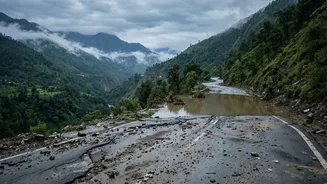
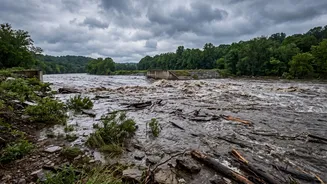
On August 26, 2026, a catastrophic flash flood tore through the Bhote Koshi and Trishuli river corridors in northern Nepal. The disaster, believed to have been triggered by a high-altitude glacial collapse near the border with Tibet, caused a wall of
water, mud, and debris to surge downstream. This event led to significant loss of life and widespread damage to roads, bridges, and buildings, particularly in the Rasuwa, Nuwakot, and Dhading districts. It's crucial to understand that this was a localized disaster, not a nationwide flood. While the impact in the affected corridor is severe, many other parts of the country were entirely untouched.
Affected Regions vs. Unaffected Tourist Hubs
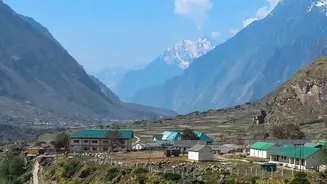
The core message from local authorities and tour operators is one of distinction. The disaster is concentrated in a specific northern area. The hardest-hit region is Rasuwa district, including key points like Syabrubesi and Timure, which serve as the gateway to the Langtang trekking region and the overland route to Tibet. Consequently, travel to this specific corridor is not recommended as search, rescue, and recovery operations continue. However, Nepal’s major tourism hubs are located away from this disaster zone and remain fully operational. This includes the capital city of Kathmandu, the lakeside city of Pokhara, and Chitwan National Park. These areas did not experience flooding and their airports, hotels, and heritage sites are welcoming visitors as usual.
Are Major Trekking Routes Open?
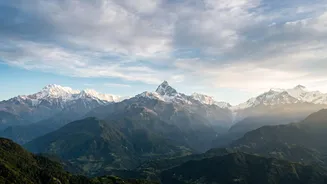
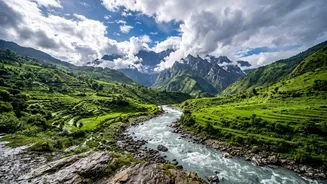
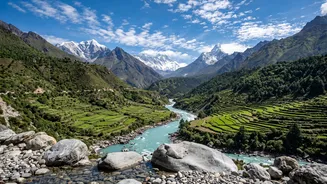
For many visitors, trekking is the main event. The good news is that Nepal's most popular trekking circuits, including the Everest Base Camp and Annapurna regions, were not affected by the floods. These areas are on entirely separate river systems and are fully open for the autumn trekking season. The Manaslu circuit is also reported to be operating normally. The primary exception is the Langtang Valley trek. While the valley itself was not directly damaged, the main road access to the trailhead at Syabrubesi has been destroyed, making the trek inaccessible for the time being. Treks involving Gosainkunda are also advised against until infrastructure is repaired. Therefore, if your plans involve the Annapurna or Everest regions, you can likely proceed, but any itinerary involving Langtang requires an immediate rethink and alternative plan.
What Should Travellers Do Now?
If you have a trip booked for September, proactive communication is key. The first step is to contact your airline, tour operator, or trekking agency immediately. They will have the most current, on-the-ground information regarding your specific itinerary. The Nepal Tourism Board has been working to provide clear updates and has advised travellers to avoid the affected river corridors. Several foreign governments advise exercising a high degree of caution and reconsidering travel to the specific districts of Rasuwa, Nuwakot, and Dhading. It's also wise to check your travel insurance policy to understand your coverage for cancellations or changes due to natural disasters. Given that some highways experienced temporary closures for debris clearing, even for travel between safe zones like Kathmandu and Pokhara, it is wise to build extra flexibility and buffer days into your schedule.