



A New Chapter for Mango Exports
Traditionally, the peak of India's mango export season fades by June. However, a new initiative is changing that narrative. At the end of July 2026, the Agricultural and Processed Food Products Export Development Authority (APEDA) facilitated the first-ever
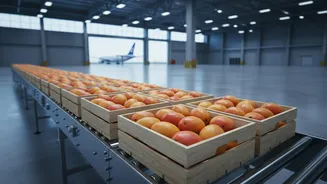
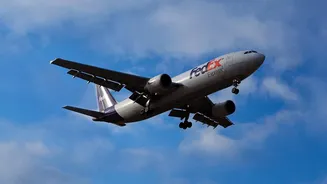
air shipment of late-season mangoes from Karnataka to the Maldives. This one-metric-tonne consignment marks a significant milestone, aimed at promoting the state’s later-harvested varieties on the global stage and strengthening India’s overall mango export portfolio. This move signals a structural expansion, demonstrating that the export window can stretch well into July and potentially beyond, catering to international demand long after the main season concludes.
The Late-Season Stars: Neelam and Totapuri
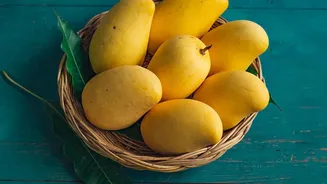
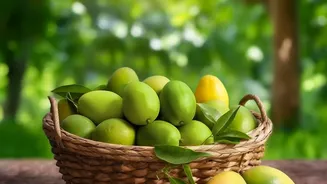
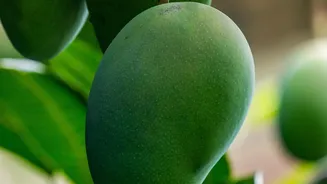
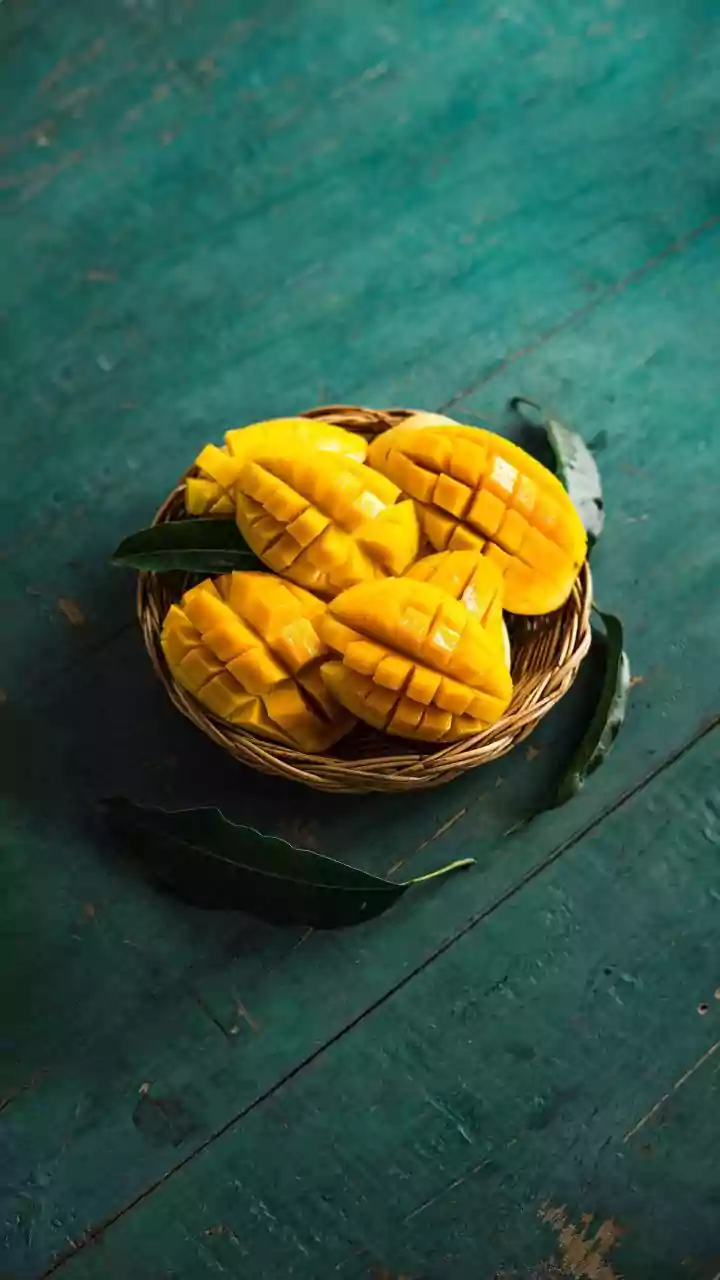
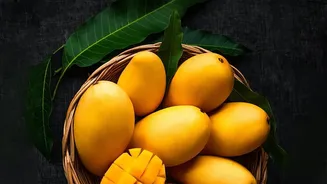
The varieties at the heart of this extension are Neelam and Totapuri. Harvested from late June through the end of July, these mangoes are perfectly timed to fill the post-peak season gap. The Neelam variety is prized for its sweet, juicy pulp and rich aroma, making it a favourite for desserts and beverages. Totapuri, easily recognised by its distinct parrot-beak shape, offers a sweet-and-tangy flavour and is highly versatile, used for both fresh consumption and processing into pulp and juices. While earlier in the year, farmers in the Kolar district faced losses from a price crash for Totapuri, this new export avenue offers a lifeline and much better returns.
Empowering Farmers Through Direct Trade
This strategic shift is about more than just extending a season; it's about fundamentally improving farmer economics. The landmark shipment to the Maldives was sourced directly from cultivators associated with the Prakruthimaya Farmers Producer Company Ltd., a Farmer Producer Company (FPC) in Kolar district. By connecting farmers directly to global markets, this model bypasses intermediaries, leading to significantly higher earnings. Farmers involved in this initiative realised over 50 per cent higher financial returns compared to selling through conventional domestic channels. For instance, Totapuri mangoes that might fetch ₹3 to ₹4 per kg locally were sold for ₹30 per kg for export, while Neelam prices jumped from ₹30 to ₹72 per kg. This model demonstrates the power of organised aggregation and export-oriented supply chains in boosting rural incomes.
The Role of FPOs and New Entrepreneurs
Farmer Producer Companies (FPCs) and Farmer Producer Organisations (FPOs) are proving crucial to this success. They play a vital role in organising farmers, ensuring quality control, and creating a reliable supply chain for exporters. The recent export also highlights another positive trend: the rise of new and diverse entrepreneurs in the agri-export space. The shipment was handled by Ahalya Devi Ventures, a company led by a newly registered woman entrepreneur. This growing participation from women-led businesses and FPOs is expected to energise Karnataka's mango export journey, encouraging more players to tap into premium international markets.
The Road Ahead for Karnataka's Mangoes
While this first air shipment is a promising start, the journey is ongoing. The success with late-season varieties in the Maldives opens the door to exploring other international markets. APEDA has stated it will continue to work with state governments and stakeholders to strengthen export infrastructure and improve global market access. For a state like Karnataka, which has faced production dips due to climate issues in recent years, diversifying its export window provides a crucial buffer. By creating new opportunities beyond the peak season, the state is building a more resilient and profitable future for its mango growers, ensuring the celebrated fruit remains a key player in India's horticultural export story.