








A New Home After 144 Years
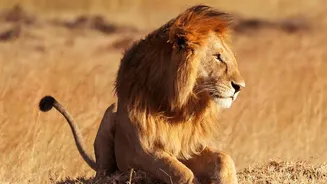
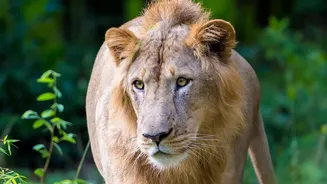
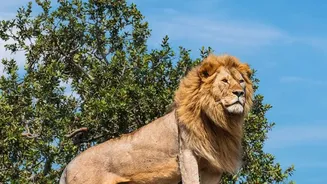
For the first time since 1879, the roar of the Asiatic lion is echoing through Barda Wildlife Sanctuary. A growing population, which stood at 17 lions including cubs by August 2025, has established itself in the sanctuary, located about 100 kilometres
from the Gir forest. This return began with the natural dispersal of a male lion into the area in 2023, followed by the strategic introduction of several females by the Gujarat Forest Department to create a viable breeding population. Recent scientific studies have confirmed that Barda's rugged terrain and developing prey base make it a suitable long-term habitat, marking a significant victory for India's conservation efforts under Project Lion.
The Danger of a Single Stronghold
For decades, the entire global wild population of Asiatic lions was confined to a single landscape: Gujarat's Gir National Park. While lion numbers have impressively rebounded to over 890, this concentration poses a grave risk. Conservation experts have long warned that a single-site population is dangerously vulnerable to catastrophic events like disease outbreaks. An epidemic, such as the Canine Distemper Virus that killed dozens of lions in 2018, could potentially wipe out a significant portion of the species. Furthermore, with Gir reaching its carrying capacity, lions have been dispersing into human-dominated areas, leading to increased conflict and accidents. Establishing a second, separate population is not just a precautionary measure; it is a lifeline.
Why Barda Was the Right Choice
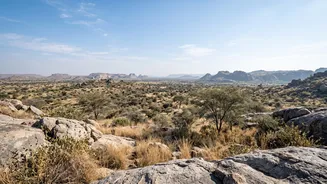
The selection of Barda Wildlife Sanctuary as a second home was no accident. Identified as a potential site decades ago, the forest department has worked methodically to prepare the 192-square-kilometre sanctuary for its new residents. A key part of this effort involved strengthening the prey base through the introduction of species like spotted deer and sambar, ensuring the lions have a sustainable food source. Barda's ecosystem is similar to Gir's, and its proximity allows for natural dispersal while being distant enough to function as a separate ecological buffer. The successful establishment of a breeding population, confirmed by radio-collar tracking and field studies, indicates that these preparations have paid off, creating a functional and thriving habitat.
Project Lion and the Road Ahead
The success at Barda is a cornerstone of the nationwide 'Project Lion', a comprehensive initiative launched in 2020 to manage and secure the country's growing lion population. The project focuses on a holistic approach that includes habitat development, scientific monitoring, veterinary care, and crucial community involvement. With nearly half the lion population now living outside protected areas, managing human-wildlife coexistence is a top priority. The forest department has deployed lion trackers, strengthened rapid-response teams, and involved local communities in conservation work to mitigate conflict. The Barda population serves as a vital 'population buffer,' reducing the species' vulnerability and ensuring that the conservation success story of the Asiatic lion continues for generations to come.