





A Festival of Cinematic Proportions
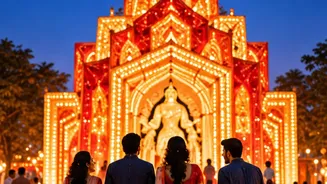
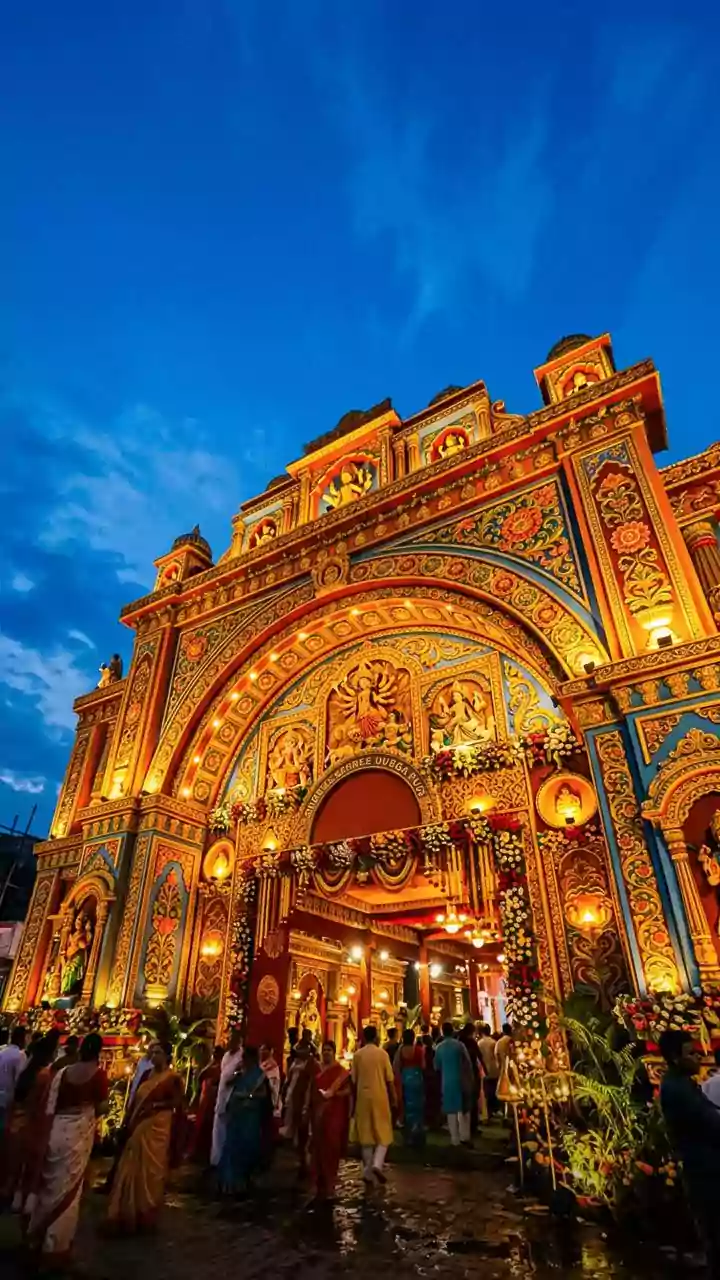
For five days, Kolkata transforms into a spectacle of art, faith, and community. The air thrums with the rhythmic beat of the dhak, streets are aglow with elaborate pandals, and crowds move as one in a sea of devotion and celebration. This sensory overload
is pure cinematic gold. Directors have long recognized the visual appeal of Durga Puja, from the creation of the idols at Kumartuli to the final immersion. Initially, it was a shorthand for 'we are in Bengal'. But as storytelling has grown more nuanced, so has the festival's role on screen. It has moved from being a passive setting to an active participant in the narrative.
From Romance to Intrigue
Pradeep Sarkar’s 'Parineeta' (2005) was a landmark in this evolution. Set in 1960s Calcutta, the film uses the festival to deepen its romantic story. The iconic dhunuchi naach sequence isn't just a dance; it’s a canvas for Shekhar’s (Saif Ali Khan) simmering jealousy and Lalita’s (Vidya Balan) grace. The exchange of garlands between them during the Puja is treated with the solemnity of a marriage vow, blessed by the divine atmosphere of the festival itself. This was a shift—the festival’s rituals and emotional weight were now directly influencing the characters' fates, embedding their personal story within a larger cultural one.
The 'Kahaani' Game-Changer
If 'Parineeta' opened the door, Sujoy Ghosh's 'Kahaani' (2012) blew it wide open. The film is inextricably linked with Durga Puja, from its opening scenes of pandals being constructed to its unforgettable climax. The entire city, buzzing with festive preparations, becomes a character in Vidya Bagchi's search for her husband. The festival here is a masterclass in narrative utility. Its chaos provides cover, its crowds offer anonymity, and its symbolism provides a mythic underpinning to the entire plot. The climax, set during the frenzied 'sindoor khela' on Vijaya Dashami, is a perfect storm of action and metaphor. As Vidya achieves her goal, it mirrors the goddess Durga's own victory over evil, a theme central to the festival.
A Symbol of Strength and Authenticity
Durga Puja inherently symbolises the triumph of good, feminine power (Shakti), and justice. Filmmakers now skillfully weave these themes into their scripts. In 'Kahaani', Vidya Bagchi is often seen as a mortal embodiment of the goddess, a lone woman fighting a powerful evil. In other films like 'Vicky Donor', a pandal-hopping scene serves as a charming introduction to Bengali culture for the Punjabi protagonist, representing the blending of two worlds. Recent films like 'Rocky Aur Rani Kii Prem Kahaani' continue this trend, using a grand Durga Puja song-and-dance sequence not just for spectacle, but to highlight and challenge deep-seated cultural and patriarchal divides between families.