
Why Masoor Dal?
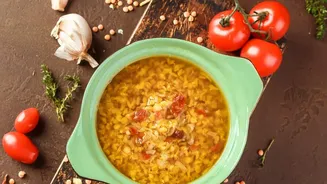
While traditional khichdi often relies on the mild-flavoured moong dal, substituting it with masoor dal, or split red lentils, is a simple game-changer. Masoor dal has a slightly earthier, richer taste that adds a new dimension to the dish. One of its
biggest advantages is its cooking time; it softens very quickly, even without soaking, and breaks down to create a wonderfully creamy and smooth texture. Nutritionally, masoor dal is a powerhouse. It is loaded with plant-based protein, making it a fantastic option for vegetarians and anyone looking to boost their protein intake. It's also an excellent source of dietary fibre, which aids digestion and promotes a feeling of fullness, making it a satisfying and wholesome meal. Furthermore, it is rich in essential minerals like iron, which helps in energy production, and potassium, which is beneficial for heart health.
The Power of Greens
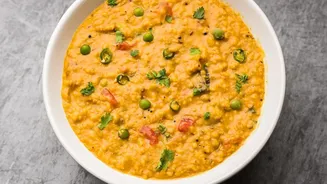
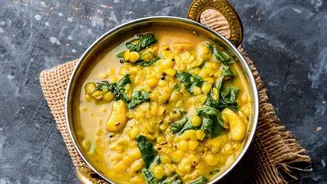
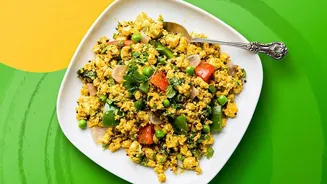
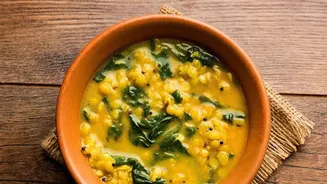
Loading your khichdi with green vegetables is the easiest way to transform it from simple comfort food into a nutrient-dense super meal. Green vegetables are packed with essential vitamins and minerals that support overall health. Leafy greens like spinach, for instance, are rich in iron, calcium, and vitamins A, C, and K. They wilt down beautifully into the khichdi, adding flavour without overpowering the dish. Other fantastic green additions include French beans, green peas, and bell peppers (capsicum). Peas add a touch of sweetness and a pop of texture, while beans provide a pleasant crunch. These vegetables contribute significantly to your daily fibre intake, support good gut health, and their antioxidant properties help protect your body. Incorporating a variety of greens not only makes your meal more colourful and appealing but also ensures you get a wider range of micronutrients.
Crafting Your Vegetable Masoor Khichdi
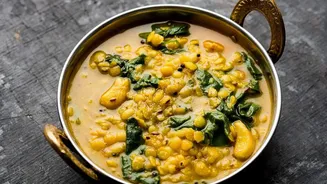
Making this khichdi is as simple as making the traditional version. For a basic recipe serving about four people, you'll need one cup of rice and about three-quarters of a cup of masoor dal. Wash the rice and dal together until the water runs clear. You can soak them for 15-30 minutes if you have the time. In a pressure cooker, heat a tablespoon of ghee or oil. Add a teaspoon of cumin seeds and let them sizzle. Then, add one chopped onion and sauté until it becomes translucent. Follow this with a teaspoon of ginger-garlic paste and cook for another minute. Now, add your chopped vegetables—a cup of spinach, half a cup of peas, and any others you like—along with spices like half a teaspoon of turmeric powder and salt to taste. Sauté for a couple of minutes before adding the drained rice and dal. Pour in about four to five cups of water, stir everything together, and pressure cook for about three to four whistles. Let the pressure release naturally for a perfect, creamy consistency.
The Finishing Touch: A Flavourful Tadka
A fragrant tempering, or 'tadka', poured over the khichdi just before serving is what takes it to the next level. The tadka adds a final burst of flavour and aroma that makes the dish irresistible. To prepare a simple yet effective tadka, heat another tablespoon of ghee in a small pan. Once the ghee is hot, add half a teaspoon of cumin seeds and a pinch of asafoetida (hing). For a bit of heat and colour, you can add one or two dried red chillies and a quarter teaspoon of red chilli powder. Some finely chopped garlic or curry leaves also make for a delicious addition. Let the spices sizzle for about 30 seconds, being careful not to burn them. Immediately pour this sizzling mixture over your cooked khichdi and give it a gentle stir. Garnish with fresh coriander leaves for a final touch of freshness.