


The Prize: Why Make the Trip?
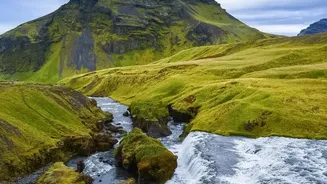
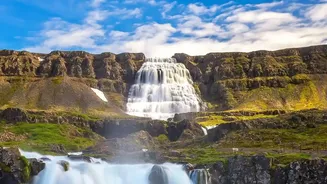
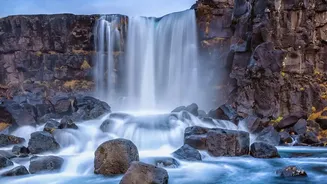
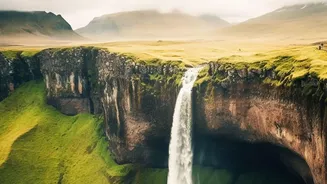
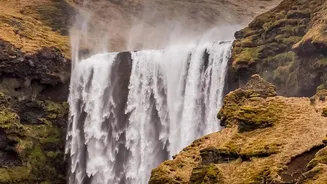
Aldeyjarfoss is not Iceland's tallest or widest waterfall, but it is one of its most striking. It thunders 20 meters into a chilly blue lagoon, framed by an amphitheater of dark, hexagonal basalt columns. This dramatic contrast between the chaotic white
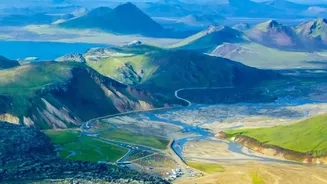
water and the geometric black rock creates a scene of raw, symmetrical beauty. Formed by a lava flow that cooled around 9,500 years ago, these columns give the waterfall a unique, almost architectural quality. Located on the edge of the Icelandic Highlands, its relative isolation means you can often experience its grandeur without the crowds found at more accessible spots.
The Highland Hurdle: Understanding F-Roads
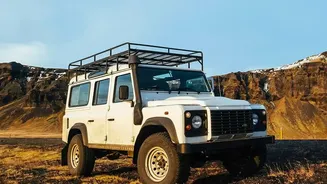
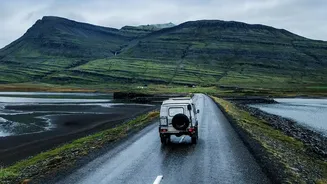
The main challenge in reaching Aldeyjarfoss is the final stretch of road. The waterfall is located at the northern end of the Sprengisandur route, a mountain road known as F26. In Iceland, 'F-roads' are unpaved mountain tracks that are only open during the summer, typically from late June to early September. Driving on them is illegal without a 4x4 vehicle. To get to Aldeyjarfoss, you'll travel down Route 842 from the main Ring Road, a journey of about 40 kilometers on gravel, which then turns into the bumpy F26 for the final few kilometers to the parking area. While this specific section of F26 is short and doesn't involve the major river crossings found deeper in the highlands, it is still a rough track that demands a suitable vehicle.
Gearing Up: The Right Vehicle Is Non-Negotiable
To be clear: you must have a 4x4 vehicle to legally and safely drive on the F26 to Aldeyjarfoss. While some have attempted it in 2WD cars in perfect summer conditions, it is strongly advised against and may void your rental insurance. Even a compact 4x4 SUV is generally sufficient for this particular route in good weather, but it's crucial to check with your rental company about their specific policies for F-road driving. Winter access is a different story entirely; the F-roads are closed, and the site is only reachable via guided tours in heavily modified 'Super Jeeps'.
Your Digital Co-Pilots: Essential Planning Websites
The key to a successful trip lies in checking official conditions right before you go. Icelandic weather is famously unpredictable and can change in an instant, especially in the highlands. Before you even get in the car, you must consult two websites. First, road.is (from the Icelandic Road and Coastal Administration) provides real-time updates on road conditions, including closures, ice, or other hazards. Second, vedur.is (the Icelandic Met Office) offers the most reliable weather forecasts. Check both the day before and the morning of your trip. A sunny day at the coast can be a windy, foggy, or even snowy one in the interior.
Timing, Supplies, and The Final Walk
This is a summer destination. Plan your visit between late June and early September to ensure the F-roads are likely to be open. There are no shops, gas stations, or cafes near Aldeyjarfoss, so pack all the food, water, and fuel you’ll need for the day. Once you arrive at the designated parking area, a short but potentially steep and rocky path leads down to the main viewpoint. Sturdy, waterproof hiking boots are essential, as the ground near the falls can be slippery and uneven. From the car park, the walk to the waterfall's edge takes about 10-15 minutes, completing the final leg of your journey to this remote Icelandic jewel.