


The Global and Local Picture
Rice prices in India are feeling pressure from multiple directions. Domestically, concerns are growing over the summer crop output due to below-normal monsoon rainfall in August and September. This potential shortfall in supply naturally pushes prices upward.
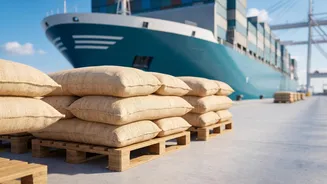
At the same time, international factors are at play. Geopolitical tensions, such as the conflict in the Middle East, have led other countries to increase their food stockpiles, boosting global demand for Indian rice. This has caused export prices for Indian rice to hit a one-year high. For example, prices for some popular non-basmati varieties like Sona Masoori have seen a significant jump from around ₹52 per kg last year to nearly ₹64 per kg recently. This combination of tight domestic supply and strong foreign demand creates the perfect storm for rising consumer prices.
The Government's Balancing Act
The Indian government walks a tightrope when it comes to rice. Its primary goals are to ensure farmers receive a fair price for their produce while keeping this essential commodity affordable for over a billion people. One of the main tools for this is the Minimum Support Price (MSP). For the 2026-27 season, the government increased the MSP for common paddy to ₹2,441 per quintal. While this hike was modest, it is part of a long-term strategy to provide income security to farmers and encourage the cultivation of specific crops. The other major lever is export regulation. To control domestic prices, the government has previously banned the export of certain rice varieties, like non-basmati white rice. Such bans aim to increase the availability of rice within India, thereby cooling down prices. However, these actions have significant ripple effects, impacting farmers' incomes and India's standing as a top global rice exporter, which accounts for about 40% of the world's trade.
The Core of the Conflict
The "conflict" in the rice sector is a tug-of-war between the interests of farmers, consumers, and the government. Farmers, particularly in states like Punjab and Haryana, have been protesting to demand a legal guarantee for MSP on all crops, not just rice and wheat. They argue that rising cultivation costs and debt are making farming unsustainable without this price assurance. Recent protests in September 2026 underscore this ongoing friction, with farmer unions demanding loan waivers and stable procurement policies. On another front, rice millers in Punjab are in a standoff with the central government over a new policy to procure 'Improved Rice' with a lower percentage of broken grains for the public distribution system. While this aims to provide better quality food to beneficiaries, millers argue it increases their processing costs without adequate compensation, adding another layer of tension to the supply chain.
Why Your Grocery Bill is Affected
The journey of rice from the paddy field to your plate involves farmers, millers, traders, and retailers, with costs and policies influencing the final price at each step. When the government increases the MSP, it sets a higher floor price. When export demand surges or a ban is lifted, more of our domestic supply is diverted to international markets, reducing availability at home and pushing prices up. Deficient rainfall shrinks the overall harvest, meaning there is less rice to go around for everyone. All these factors—policy decisions, farmer agitations, weather patterns, and global demand—converge to determine the price you pay. Basmati prices, for instance, have reportedly risen by 15-20%, while non-basmati varieties have seen increases of 20-25% in the past year, directly impacting household budgets across the nation.