




The Ancient Grain Making a Modern Comeback
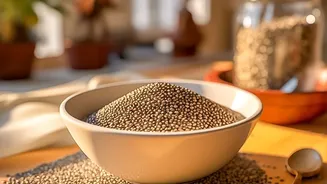
Amaranth, or rajgira, is far from a new discovery. This tiny, gluten-free seed was a staple for ancient civilisations thousands of years ago. In India, it has long been associated with fasting foods, often appearing in the form of laddoos or chikkis.
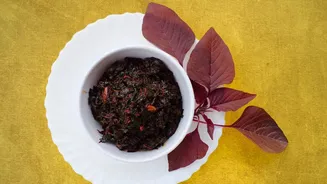
But today, its resurgence is tied to a growing appreciation for its incredible nutritional profile. Technically a 'pseudocereal' because it's a seed consumed like a grain, amaranth belongs to the same family as beetroot and spinach. It offers a slightly nutty, earthy flavour and can be used in everything from porridges to flour, making it a versatile and valuable addition to any kitchen.
The Powerful Link to Bone Nutrition
The primary reason for amaranth's growing fame is its remarkable contribution to bone health. Strong bones require a team of minerals, and amaranth delivers them in abundance. It is an excellent source of calcium, the main building block of our skeletal system. But its benefits don't stop there. Amaranth is also rich in phosphorus and magnesium, two minerals that are crucial for bone mineralisation and strength. One cup of cooked amaranth provides a significant portion of your daily needs for these key nutrients. This powerful combination of minerals works together to help maintain bone density and reduce the risk of osteoporosis, especially as we age.
More Than Just Minerals
What makes amaranth particularly effective for bone health is its unique nutritional synergy. It is one of the few plant sources that contains lysine, an essential amino acid. Lysine plays a crucial role in helping the body absorb calcium more efficiently, ensuring that the calcium you consume is put to good use building and repairing bone tissue. Furthermore, amaranth is a complete protein, meaning it contains all nine essential amino acids, which are vital for building not just muscle but also the collagen matrix that provides bones with their flexible framework. Its high manganese content also contributes to bone formation and overall health.
Easy Amaranth Breakfast Ideas
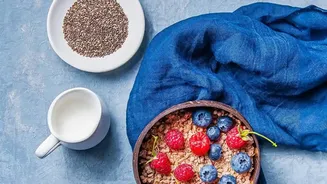
Incorporating this super grain into your morning routine is simple and delicious. The easiest way to start is with a warm amaranth porridge. Simmer amaranth seeds with water or milk until they reach a creamy, thick consistency, similar to dalia or oatmeal. You can make it sweet with a drizzle of honey, nuts, and fresh fruit, or prepare a savoury version inspired by traditional upma, tempered with mustard seeds, curry leaves, onions, and turmeric. For a quicker option, use puffed amaranth (rajgira) as a ready-to-eat cereal with milk and your favourite toppings. You can also add amaranth flour to your regular dosa or cheela batter for a nutritional boost without altering the taste significantly.
How to Get Started
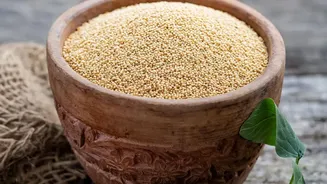
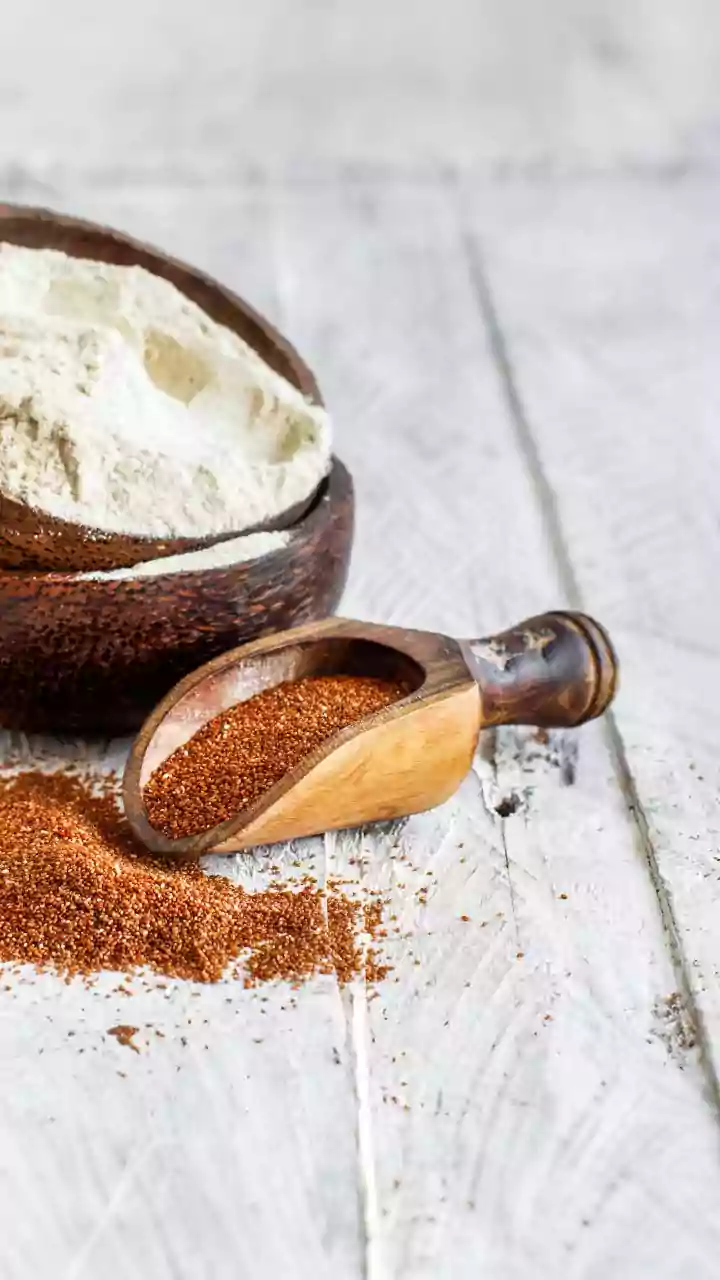
You can find amaranth in three main forms: whole seeds, puffed seeds (like puffed rice), and flour (rajgira atta). The whole seeds are ideal for making porridge or cooking like rice. Puffed amaranth is perfect for a quick breakfast cereal or for making healthy energy bars and chikkis. The flour is a fantastic gluten-free alternative that can be used in baking or mixed with other flours for rotis and pancakes. Starting your day with amaranth is not just about trying a new food trend; it’s about reconnecting with a traditional ingredient that offers scientifically-backed benefits for your long-term health and vitality. Its versatility ensures that it can easily become a regular, enjoyable part of your diet.