





Why Meal Prep During Monsoon?
The rainy season brings a craving for comforting, hot food, but the damp and dreary weather can make a trip to the market feel like a monumental task. This is where meal prepping shines. It's not just about saving time; it's about making your life simpler
and healthier. With a little planning, you can reduce food waste, avoid last-minute takeaways, and ensure you're eating nourishing meals that are perfect for the season. Having ready-to-go components means a delicious dal or sabzi is only minutes away, providing the perfect antidote to a cold, wet evening.
Master the Basic Building Blocks
The foundation of any great Indian meal prep strategy lies in its base masalas and gravies. Prepping these in advance is a game-changer. A universal onion-tomato paste is a great starting point. You can make a large batch by sautéing onions, ginger, garlic, and tomatoes, then blending it into a smooth paste. This can be stored in the refrigerator for a week or frozen for longer. Similarly, having ginger-garlic paste ready is a non-negotiable time-saver. You can also prepare dry spice blends by toasting and grinding spices like cumin, coriander, and fennel seeds for maximum flavour.
Smart Prep for Vegetables and Grains
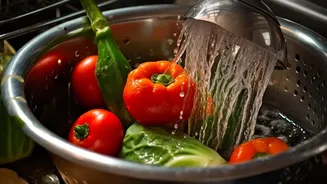
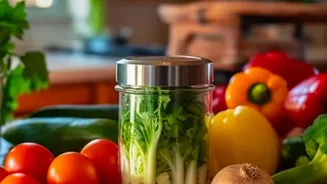
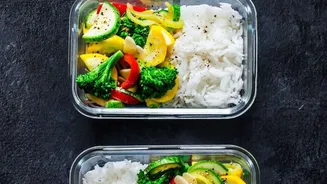
The high humidity during monsoon means fresh produce can spoil quickly. It's crucial to wash vegetables thoroughly as soon as you bring them home, using a saltwater soak to help remove any hidden pests common during this season. Once washed, dry them completely with a cloth or paper towel before storing. While pre-chopping is convenient, it can expose vegetables to bacteria faster in the damp air. If you must chop in advance, store the vegetables in airtight containers in the refrigerator and use them within a day or two. For grains and lentils, boil a batch of chickpeas or kidney beans to use throughout the week. Rice and millets can also be cooked in advance and refrigerated.
Storage is Key in High Humidity
Proper storage is critical to prevent your prepped food from spoiling in the monsoon moisture. Airtight containers are your best friends. Glass or stainless steel options are ideal for storing everything from dry spices and flours to cooked gravies and dals, as they protect against dampness and prevent mould growth. When storing cooked food in the fridge, ensure it has cooled down completely before sealing the container. Label and date your containers so you know what to use first. For dry ingredients like rice and pulses, you can add a bay leaf to the container to deter pests. Also, make it a habit to use a clean, dry spoon every time you take something out of a container to avoid introducing moisture.
A Sample Monsoon Meal Prep Plan
To bring it all together, here is a simple plan for a Sunday prep session: 1. Gravy Base: Make a large batch of onion-tomato-cashew paste. Divide it into three portions for the week. 2. Dal: Boil a large pot of toor dal. Temper half of it for an immediate dal tadka and store the other plain half for making sambar later. 3. Vegetables: Wash and thoroughly dry spinach and other greens. Chop hardy vegetables like carrots and beans and store them in an airtight container. 4. Dough: Knead roti or paratha dough and store it in a lightly oiled, airtight container in the fridge. 5. Snacks: Prepare a batter for moong dal chilla or pakoras. It will satisfy those instant cravings for a hot, rainy-day snack.