




More Than a Diet, It's a Lifestyle
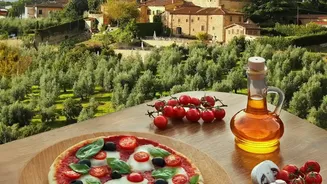
The Mediterranean diet is consistently ranked as one of the healthiest eating patterns in the world, but calling it a "diet" can be misleading. It is more accurately a lifestyle rooted in the traditional eating habits of countries like Greece, Italy,
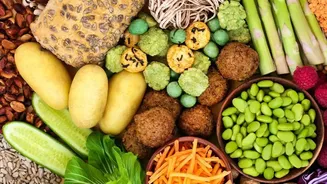
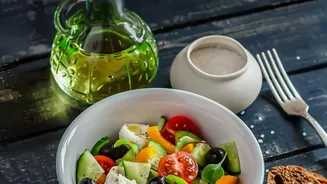
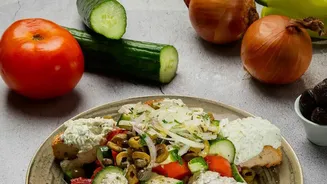
and Spain. The foundation isn't a strict meal plan, but an abundance of plant-based foods: fruits, vegetables, whole grains, nuts, and legumes, all minimally processed. Olive oil is the principal source of fat, while fish and poultry are consumed in moderation. This approach isn’t about restriction; it’s about celebrating a wide variety of foods in their most natural state.
The Rhythm of the Seasons
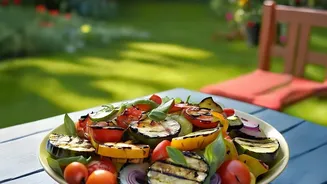
The true genius of Mediterranean cooking lies in its devotion to seasonality. This isn’t a trendy food philosophy but the way communities have eaten for centuries: the kitchen calendar moves in sync with the garden and the market. Spring brings tender asparagus, sweet peas, and artichokes, which are often prepared simply to preserve their delicate flavours. Summer is the season of sun-ripened tomatoes, sweet peppers, and zucchini, forming the base of vibrant salads and light pasta sauces. As the weather cools in autumn, the menu shifts to mushrooms, pumpkin, and squash. Winter meals are brightened by citrus fruits and feature hearty greens and legumes. This rotation ensures not just peak flavour but also a higher concentration of nutrients, as produce harvested at the right moment is nutritionally denser.
From the Market to the Table
A cornerstone of this seasonal approach is the reliance on local markets. In Greece and Italy, shopping for food is often a daily ritual, not a weekly chore. This short distance from farm to table is crucial. Produce that is allowed to ripen naturally in the soil and sun, picked at its peak, and sold locally retains a full spectrum of vitamins, minerals, and flavour that is often lost during long-distance transportation. A tomato eaten in August in southern Italy tastes fundamentally different from one bought in a supermarket in January because its flavour and nutrients have been allowed to fully develop. This commitment to freshness means that cooking techniques are often simple—grilling, roasting, or a light sauté—designed to enhance the ingredient's natural taste rather than mask it.
A Philosophy We Understand in India
While the ingredients may differ, the core philosophy of eating fresh and seasonal food is deeply familiar in Indian cuisine. The arrival of winter greens like sarson da saag, the celebration of mangoes in the summer, and the use of specific vegetables during different seasons reflect a similar respect for nature's calendar. Both cuisines revolve around the use of ripe vegetables, though the spice profiles differ, with Mediterranean cooking favouring herbs and Indian cooking using a wider array of ground and whole spices. Dishes like Baingan Bharta, for example, share a conceptual similarity with the smoky eggplant dip Baba Ghanoush. This shared principle of using fresh, local ingredients as the foundation for flavourful meals connects these two seemingly distant culinary worlds.