




Why Your Container Choice Matters
Choosing a container is about more than just finding a lid that fits. Using the wrong one can lead to a few key problems. The most significant concern is chemical leaching, where substances from the container material can migrate into your food. This
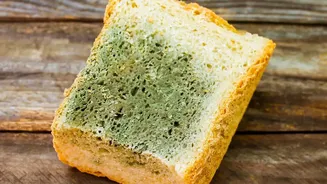
process can be accelerated by heat (from microwaving or storing hot food), long storage times, and certain types of food, particularly those that are oily, fatty, or acidic. Beyond safety, the right container helps preserve the taste and texture of your food and prevents it from spoiling prematurely or absorbing unwanted odours from the fridge.
The Glass Standard: Clear and Safe
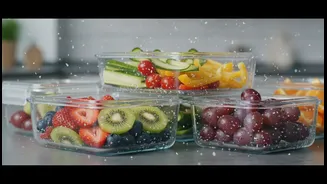
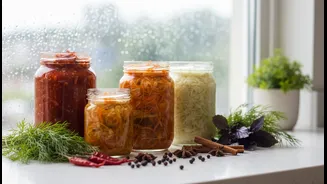
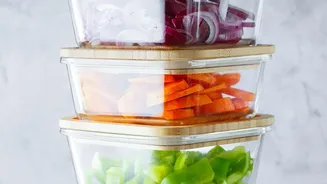
Glass is widely considered the gold standard for food storage. Its primary advantage is that it is non-reactive and non-porous. This means it won't leach chemicals into your food, nor will it absorb stains or odours from what you store in it—that leftover pasta sauce won't leave a permanent orange tint. Glass is exceptionally versatile; you can typically use it for storage in the fridge or freezer, for baking in the oven, and for reheating in the microwave. The main downsides are that it's heavier than plastic and can break if dropped.
Decoding the World of Plastics
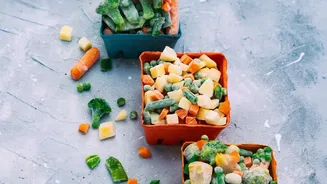
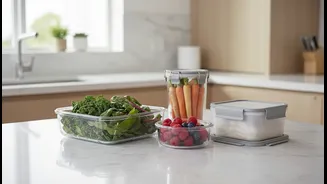
Plastic containers are lightweight and affordable, but not all are created equal. To understand their safety, look for the resin identification code—the number inside a triangle, usually on the bottom. Plastics with codes 2 (HDPE), 4 (LDPE), and 5 (PP) are generally considered safer for food contact. Polypropylene (PP), or #5 plastic, is often used for microwave-safe containers because it has a higher heat tolerance. You should generally avoid using plastics with codes 3 (PVC), 6 (PS), and 7 (Other) for food, as they can contain chemicals like phthalates or BPA that can disrupt hormones. Even with 'BPA-free' plastics, it's wise to avoid microwaving unless the container is explicitly labelled 'microwave-safe'. Also, discard any plastic containers that are scratched, cloudy, or warped, as damage can increase the risk of chemical leaching.
Stainless Steel: Durable and Dependable
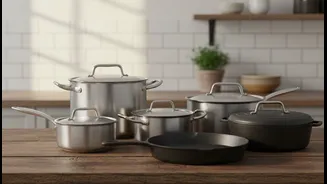
Stainless steel is another excellent and safe alternative to plastic. It's durable, lightweight, and won't react with food, making it a fantastic choice for lunch boxes (the classic Indian tiffin), pantry storage, and general food transport. Steel containers are long-lasting and won't retain stains or odours. Their biggest limitation, however, is that they cannot be used in the microwave. They are perfect for storing items in the fridge or for packing cold or room-temperature meals, but you'll need to transfer the contents to another dish for reheating.
A Quick Guide for Your Kitchen
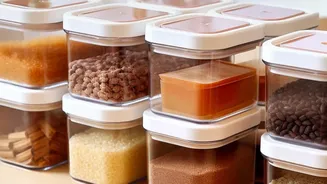
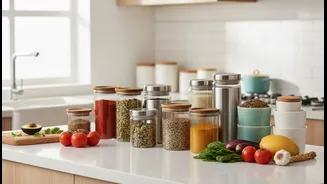
To make it simple, here's a quick cheat sheet for matching your container to the food: Hot Foods: Let food cool down before storing it in any container to reduce risks. For reheating, always use glass or a container clearly marked as microwave-safe. Acidic Foods: For items like tomato-based curries, pickles, or citrus, glass is the best choice. Acids can increase chemical leaching from some plastics. Fatty or Oily Foods: Greasy foods can also accelerate chemical migration from plastics. Opt for glass or high-quality stainless steel for storing these dishes. Freezing: Most glass, plastic, and silicone containers are freezer-safe, but check for a label. If using glass, leave some space at the top to allow for food expansion as it freezes. * Dry Goods: For dals, rice, and spices, any food-grade container will work, but airtight seals are key to maintaining freshness.