
A Record-Breaking Performance
In the first six months of 2026, BMW Group India, which includes both BMW and MINI brands, delivered a total of 9,075 cars to customers. This represents a significant 17% growth compared to the same period last year, marking the company's most successful
first half in its history of Indian operations. The momentum was consistent, with the second quarter (April to June) also posting a 17% year-on-year increase, indicating steady and sustained demand. While the BMW brand accounted for the majority of sales with 8,571 units, the group's MINI brand also recorded an exceptional performance. It saw a massive 70% jump in sales, delivering 504 cars. This strong, double-digit growth across the board underscores a successful strategy and growing consumer confidence in the German automaker's offerings.
The Electric Surge
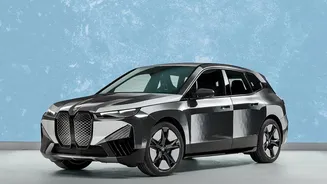
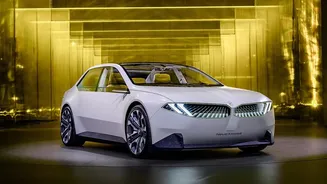
The standout story within BMW's record performance is its remarkable success in the electric vehicle (EV) segment. The company sold 2,359 EVs in the first half of the year, a staggering 78% increase over the previous year. This means that roughly one in every four cars delivered by BMW Group India is now fully electric. This rapid adoption has solidified BMW's position as the number one luxury EV brand in the country, commanding an estimated 69% market share in the premium electric space. This isn't just a niche success; it's a core driver of the company's overall growth. The strong performance of its diverse EV portfolio, which spans from the iX1 to the flagship i7 sedan, signals a significant shift in the preferences of Indian luxury car buyers, who are increasingly embracing electric mobility.
SUVs and Sedans Driving Demand
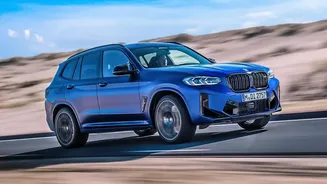
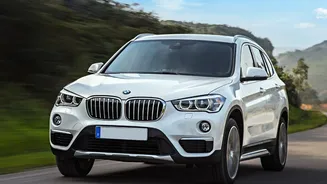
Beyond the impressive EV numbers, BMW's traditional internal combustion engine (ICE) models continue to perform strongly, particularly its Sports Activity Vehicles (SAVs) and long-wheelbase sedans. The demand for BMW's SUV lineup, including popular models like the X1, X3, and X7, grew by 35%, accounting for a substantial 65% of total sales. This reflects the broader market trend of buyers preferring the high seating position, road presence, and practicality of SUVs. Simultaneously, the brand's long-wheelbase sedans, which offer enhanced rear-seat comfort tailored for the Indian market, also saw a 24% rise in demand. These models made up 52% of total sales, highlighting that the appeal of a classic luxury sedan remains incredibly strong when adapted to local preferences.
Fourteen Reasons for the Future
Building on this powerful momentum, BMW India is not planning to slow down. The company has officially confirmed an aggressive product offensive for the second half of 2026, with 14 new launches planned across the BMW and MINI brands before the year is out. While the company has not revealed the full list, the upcoming launches are expected to be a mix of all-new models, significant updates (facelifts), and new variants to fill strategic gaps and refresh existing nameplates. Industry watchers anticipate the debut of highly awaited models such as the next-generation BMW X3 and the all-new 5 Series, including its electric counterpart, the i5. This product blitz is designed to maintain customer excitement, broaden the portfolio, and further strengthen the brand's position in key segments, especially in the high-end luxury and electric spaces.
A Strategy for the Top Spot
This combination of record sales and a packed launch schedule is part of a clear strategy to challenge for the top position in India's luxury car market. While rival Mercedes-Benz maintained its lead in the first half, the gap between the two German giants has been narrowing. BMW's focus on a customer-centric product strategy, including local assembly of key models like the MINI Countryman C, has been crucial. The emphasis on the premium end of the market and the early, decisive push into electric mobility are paying off. According to the company's leadership, the goal is to achieve steady, profitable growth by offering a diverse and desirable portfolio rather than simply chasing sales figures. The upcoming 14 launches will be a critical test of this strategy, aiming to convert record momentum into market leadership.