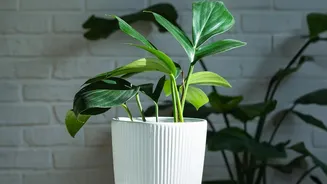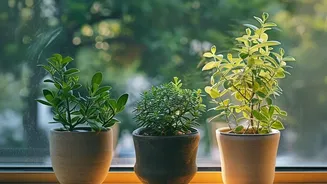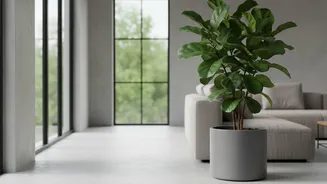





The Science of the Lean
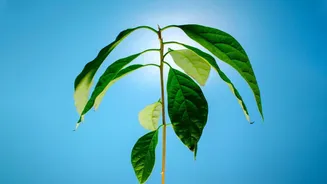
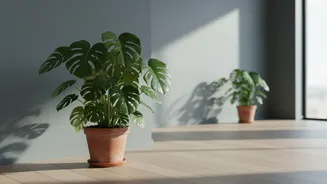
Plants have an innate survival instinct to grow towards their light source, a process known as phototropism. Indoors, where light usually comes from a single direction like a window, this causes plants to stretch and lean. This is driven by a plant hormone
called auxin, which accumulates on the shaded side of the stem, causing those cells to grow longer and faster, effectively bending the plant towards the light. Over time, this results in uneven development, with more leaves and denser foliage on the side facing the window and a sparser, less attractive look on the other.
The Simple Quarter-Turn Solution
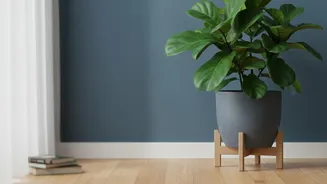
The easiest way to counteract phototropism and encourage balanced growth is to rotate your plants regularly. A widely recommended practice is to give your plant a quarter-turn every time you water it. This simple habit is easy to remember and ensures that over a few weeks, every side of the plant gets its fair share of light. Some experts suggest a quarter turn every week or two, especially during the active growing seasons of spring and summer. For plants in lower light, more frequent turns might be beneficial, while those in very bright, consistent light may need it less often. The key is consistency, which helps the plant grow a strong, straight central stem.
Benefits Beyond a Balanced Look
While a symmetrical, aesthetically pleasing plant is a great reward, the benefits of rotation go deeper. Ensuring all leaves receive adequate light improves the plant's overall ability to photosynthesise, which is how it creates energy to grow. This leads to stronger stems, fuller foliage all around, and better overall health. Regular rotation also encourages better air circulation around the plant, which can help reduce the risk of pests and fungal issues. Furthermore, the simple act of turning your plant provides a perfect opportunity to inspect it for any signs of pests, dust on the leaves, or other health issues before they become major problems.
When Not to Rotate
While most houseplants benefit from regular turning, there are a few exceptions. Some flowering plants, like orchids or Christmas cacti, should not be rotated once they have set their buds. Changing their orientation to the light at this critical stage can cause stress and may lead to the plant dropping its buds before they bloom. Additionally, some climbing plants like certain aroids have a distinct front and back, and they prefer a consistent orientation as they attach to a support like a moss pole. For these specific plants, it's better to focus on providing good, consistent light from the front rather than rotating them.
Correcting an Existing Lean
If you have a plant that has already developed a significant lean, don't worry—it can often be corrected. The solution is to turn the plant 180 degrees, so the sparse, shaded side is now facing the primary light source. Over several weeks or months, the plant will naturally start to straighten itself out as the previously neglected side begins to grow more strongly toward the light. For a very dramatic lean, you might want to make the change more gradually with a series of quarter turns to avoid stressing the plant. In severe cases, especially with larger plants, you may need to use a stake for support while it corrects its posture.