





A Nutritional Powerhouse in a Peel
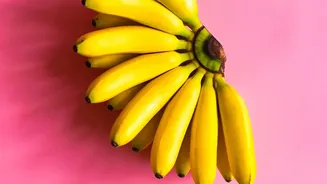
Before we tackle the timing myths, it’s worth remembering why bananas are so celebrated in the first place. A single medium-sized banana offers a significant portion of your daily needs for several key nutrients. It's an excellent source of vitamin B6,
which is crucial for metabolism and brain development. Bananas are also famous for their high potassium content, an essential mineral and electrolyte that helps regulate nerve function, muscle contractions, and fluid balance in the body. Furthermore, they provide a good amount of dietary fibre, which is vital for a healthy digestive system, and vitamin C, a powerful antioxidant that supports your immune system. This combination of nutrients makes it more than just a sweet treat; it’s a functional food that supports overall health.
Myth: Never Eat a Banana on an Empty Stomach
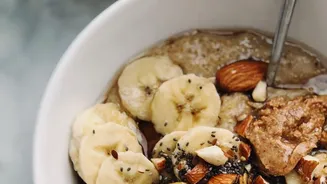
One of the most common warnings is to avoid eating a banana first thing in the morning. The concern is that its natural sugar content could cause a rapid spike in blood sugar, followed by a crash that leaves you feeling tired. While bananas do contain natural sugars, they also contain fibre, which helps slow down the release of these sugars into the bloodstream. For most healthy individuals, eating a banana on an empty stomach is perfectly fine and provides a quick source of energy to start the day. However, everyone's body is different. If you have diabetes or find that you're sensitive to blood sugar fluctuations, pairing your morning banana with a source of protein or healthy fat—like a handful of nuts, a spoonful of peanut butter, or some Greek yoghurt—can help stabilise your blood sugar levels and keep you feeling full for longer.
Myth: Avoid Bananas Before Bed
Another popular belief is that eating a banana at night should be avoided, with some folklore suggesting it can cause a cough or digestive issues. On the contrary, science suggests a banana can be an excellent pre-sleep snack for many people. Bananas contain magnesium and potassium, two minerals that act as natural muscle relaxants, which can help prepare your body for rest and prevent nighttime leg cramps. They also contain the amino acid tryptophan, which the body uses to produce serotonin and melatonin—hormones that are crucial for regulating your sleep-wake cycle. While a banana alone isn't a cure for insomnia, its nutrient profile can certainly contribute to a more restful night. If you're hungry before bed, a banana is a much better choice than processed sweets.
The Perfect Fuel for Fitness
For those who are active, the timing of a banana snack can be optimised for performance and recovery. Eaten 30-60 minutes before exercise, a banana provides easily digestible carbohydrates for a quick energy boost without weighing you down. Its potassium content also helps prevent muscle cramps during your workout. After a workout, a banana helps to replenish your muscle glycogen stores (your body's energy reserves) and the electrolytes lost through sweat. Combining it with a protein source, like in a smoothie, can create a powerful recovery snack that supports muscle repair and growth.
Listen to Your Body
The ripeness of a banana also changes its nutritional profile slightly. A less ripe, greener banana has more resistant starch, which functions like fibre, has a lower glycemic index, and is great for gut health. As a banana ripens and turns yellow with brown spots, more of that starch converts into simple sugars, making it sweeter and a source of quicker energy. Both are healthy, but you might choose one over the other based on your preference and energy needs. Ultimately, there is no universal, rigid rule for when to eat a banana. It’s a versatile and nutritious fruit that can fit into your diet whenever it works for you—be it morning, noon, or night.