



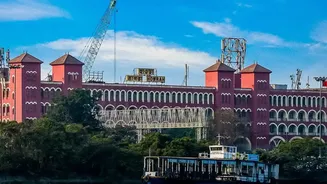

Why is Kolkata often called the 'London of India'? This nickname isn't just a casual comparison; it's a direct link to a past when the city was the heart of British India, a legacy etched in its grand architecture and historic skyline.
The Capital of British India
For nearly 140 years,
from 1772 until 1911, Kolkata—then known as Calcutta—was the capital of British India. This status made it the empire's second city, a bustling hub of commerce, administration, and political power. During this era, the British East India Company and later the Crown invested heavily in creating an urban landscape that reflected their authority and architectural tastes. The result was a city filled with grand European-style buildings, wide roads, and a general layout designed to feel like a home away from home for the British, deliberately mimicking the feel of their own capital. This concerted effort to shape the city's identity gave rise to nicknames like 'City of Palaces' and, most enduringly, the 'London of India'.
Architectural Echoes of Europe
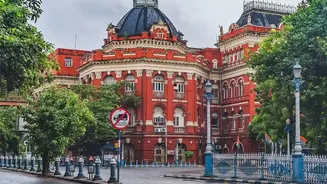
The most visible evidence of this London connection lies in the city's architecture. A walk through central Kolkata, especially around the area formerly known as Dalhousie Square (now B.B.D. Bagh), is like stepping into an open-air museum of colonial design. This district served as the administrative core of British India and is packed with monumental structures. You'll find a blend of Neoclassical, Gothic Revival, and Victorian styles, all popular in London during the same period. Buildings like the Calcutta High Court, designed in a neo-Gothic style, and the grand General Post Office with its towering dome, wouldn't look out of place in London. Other key structures like the Writers' Building, once the administrative headquarters, showcase a distinctly European grandeur that defined the city's skyline.
Victoria Memorial: An Imperial Crown Jewel
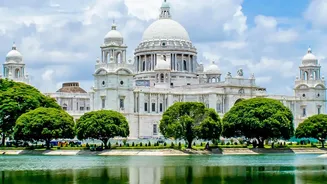
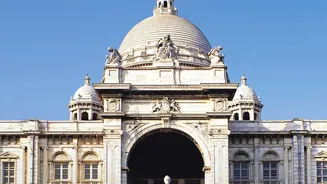
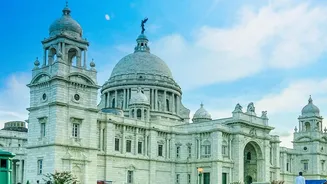
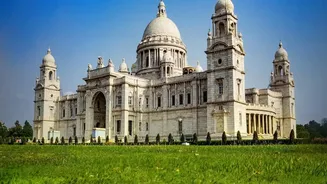
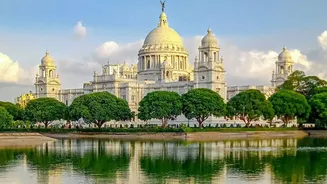
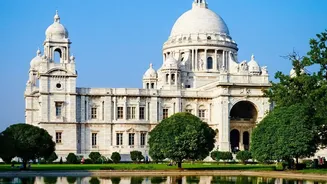
No landmark embodies this legacy more than the Victoria Memorial. Commissioned by Lord Curzon after the death of Queen Victoria in 1901 and completed in 1921, this magnificent white marble monument was built to be a tribute to the empress. Designed by Sir William Emerson, it features a unique Indo-Saracenic revivalist style, which masterfully blends British architectural principles with Mughal, Venetian, and other Indian elements. Made from the same Makrana marble as the Taj Mahal, its grand central dome, elegant columns, and sprawling gardens covering 64 acres create an imposing and iconic presence. While its style is a fusion, its imperial purpose and sheer scale make it the ultimate symbol of British influence in India.
More Than Just Buildings
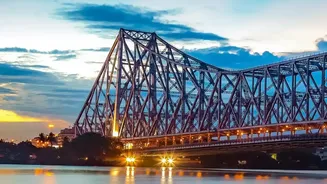
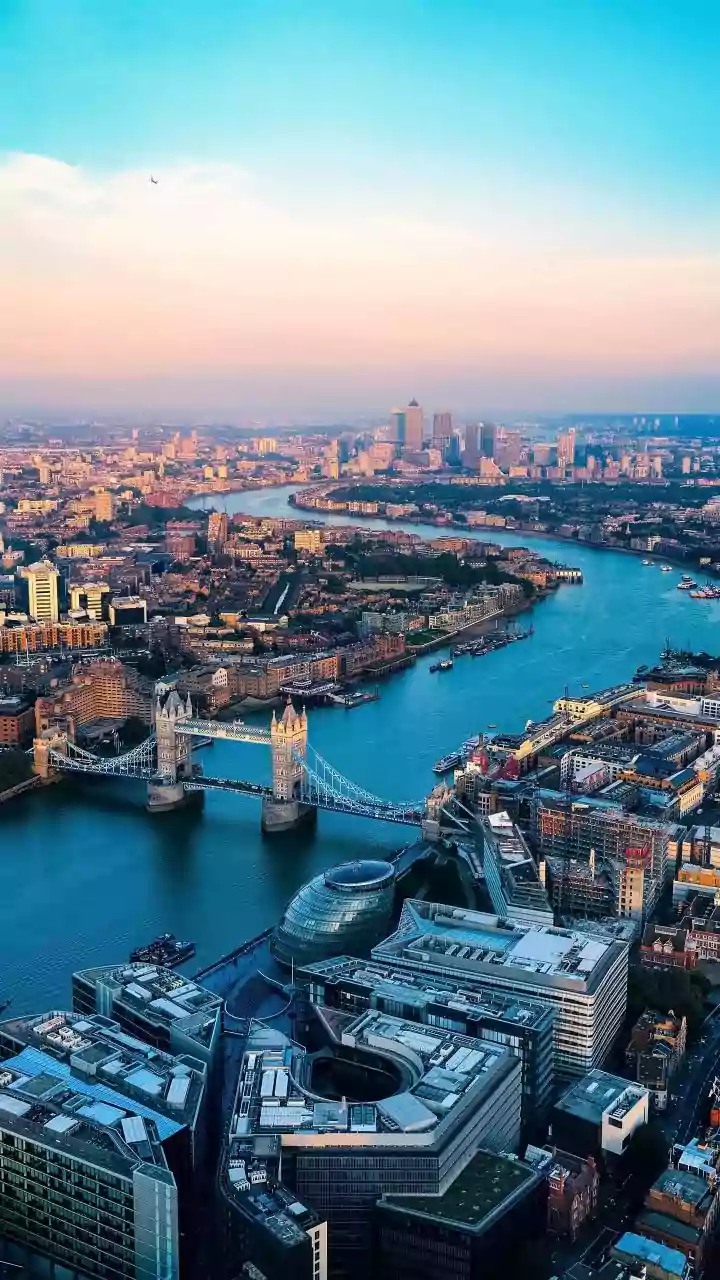
The comparison to London extends beyond just architecture. The Hooghly River, which flows along the city's western edge, played a vital role in Kolkata’s development as a major port for trade and commerce, much like the River Thames did for London. This riverside setting fostered a similar culture of maritime commerce that shaped both cities. Furthermore, remnants of British urban planning, such as wide, tree_lined avenues and public squares, contribute to the feeling of a 'sub_continental, Dickensian otherworld,' as one publication described it. Even the city's historic tram system, still operational today, adds to the old_world charm that evokes a European city of a bygone era.
A Nickname with a Complicated Legacy
Today, the nickname 'London of India' is viewed with a mix of pride and complexity. For some, it is a recognition of the city's rich architectural heritage and its historical significance on the world stage. The grand buildings are a testament to a unique period in its history. However, it also serves as a reminder of a colonial past. In 2001, the city's name was officially changed from the anglicized 'Calcutta' back to 'Kolkata' to reflect its Bengali pronunciation and reclaim its local identity. While modern Kolkata is a vibrant, thriving Indian metropolis with its own distinct culture, the architectural echoes of its colonial past remain an undeniable and fascinating part of its character, ensuring the 'London of India' moniker continues to hold meaning.