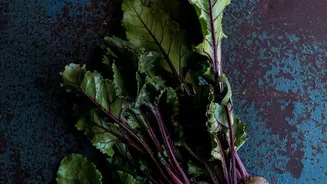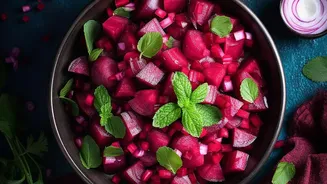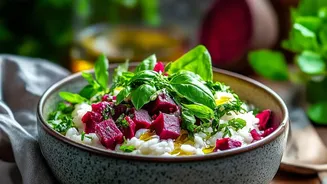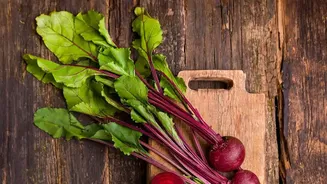


Tired of bland-looking meals? Nature offers a simple solution. The humble beetroot, or chukandar, is a powerhouse of vibrant colour, ready to transform your everyday vegetarian cooking from simple to stunning without any artificial dyes.
The Power of a Humble Root
Beneath its unassuming,
earthy exterior, the beetroot holds a secret weapon: betalain, the pigment responsible for its intense reddish-purple hue. This natural colouring agent is so potent that it can turn an entire dish a brilliant shade of magenta with just a small amount. Beyond its visual appeal, beetroot offers a subtly sweet, earthy flavour that pairs surprisingly well with a wide range of ingredients. It is also packed with nutrients, including fibre, folate, and antioxidants, making it a healthy as well as beautiful addition to your plate. By learning to harness its power, you can elevate simple vegetarian recipes into dishes that are as impressive to look at as they are delicious to eat.
Tips for Mess-Free Preparation
The very thing that makes beetroot so wonderful—its vibrant colour—can also be its biggest challenge. To avoid staining your hands and kitchen surfaces, a few simple tricks are all you need. Wearing kitchen gloves is the most straightforward method. If you don't have any, rubbing your hands with a mix of lemon juice and salt can help remove stains after handling. When cooking beets, it's best to leave the skin on initially, as this helps lock in the colour and nutrients. Whether you boil, steam, or roast them, cook them whole and then let them cool slightly. Once cool enough to handle, the skins will slip off easily, often with just a paper towel. Using a non-porous cutting board, like glass, or placing parchment paper over your wooden board can prevent stubborn stains.
Vibrant Dips and Spreads
One of the easiest and most striking ways to use beetroot is in dips and spreads. A classic hummus is instantly transformed into a showstopper with the addition of a little cooked beetroot puree. Simply add one small, cooked and peeled beetroot to your standard hummus recipe in the food processor and blend until smooth and brilliantly pink. The earthy flavour of the beet is beautifully balanced by the tahini and lemon. Similarly, a chukandar raita, made by mixing finely grated beetroot into yoghurt with spices like cumin and chaat masala, creates a wonderfully colourful and refreshing side dish for any Indian meal.
Naturally Coloured Doughs
For those willing to be a bit more adventurous, beetroot puree can be incorporated into doughs for spectacular results. Imagine serving homemade pasta, burger buns, or parathas with a beautiful pink tint. To make beetroot pasta, simply substitute some of the liquid in your favourite pasta dough recipe with a smooth beetroot puree. A common ratio involves blending cooked beetroot with the eggs before mixing them into the flour. The result is a tender dough with an incredible jewel-like colour. For a Punjabi-style chukandar paratha, grated beetroot is mixed with spices and used as a flavourful, colourful stuffing.
Pretty in Pink Desserts
Beetroot’s natural sweetness makes it a fantastic, if unexpected, ingredient in desserts. It can be a great way to add moisture and a beautiful reddish hue to cakes and brownies, often replacing some of the need for artificial red food colouring. Beetroot brownies are surprisingly fudgy and rich, with the chocolate flavour masking most of the vegetable's earthiness. It can also be used to give a natural pink tint to muffins, pancakes, and even scones. For a healthier dessert, consider making a chukandar ka halwa, where grated beetroot is slow-cooked with milk and sugar for a sweet, nutritious treat.