







The Global Crude Oil Forecast
Analysts are painting a complex picture for global crude oil. S&P Global has suggested that Brent crude prices could average around $80 per barrel in 2027 before declining further. Another forecast from the firm indicates prices may stay within an $80-$100
range through 2027. This volatility comes as markets balance geopolitical risks, production cuts from OPEC+, and shifts in global demand. While some projections see prices potentially falling into the $60s, others warn of spikes depending on production levels and global stability. This mixed outlook provides a crucial backdrop, but it's only the first piece of the puzzle for what Indians pay for fuel.
The Great Disconnect: Crude vs. Retail Price
The single biggest reason for the gap between global crude prices and local petrol prices is that crude oil is just one of many components. India imports over 85% of its crude oil, making it highly susceptible to international prices. However, the price of that raw material is just the starting point. After the crude lands in India, a series of other costs are layered on top, including refining charges, freight costs, and margins for oil marketing companies (OMCs). This chain of costs means that even a significant drop in the price of a barrel of oil doesn't lead to a proportional drop at the petrol pump.
The Decisive Role of Taxes
Taxes are the largest and most significant component of retail fuel prices in India, often making up around half of what consumers pay. Both the Central and State governments levy substantial taxes. The Centre imposes a fixed excise duty, which includes various cesses, while states apply a Value Added Tax (VAT). Because VAT is often charged as a percentage, its value can increase when the base price (including excise duty) goes up. This tax structure is a major revenue source for both central and state governments. It also means that when global crude prices fall, governments have sometimes increased excise duty to shore up revenues, preventing the benefit from being passed on to consumers.
The Rupee-Dollar Exchange Rate
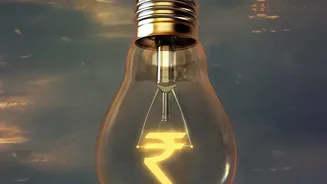
Since international crude oil transactions are settled in U.S. dollars, the rupee's exchange rate is a critical, often-overlooked factor. When the rupee weakens against the dollar, India has to pay more rupees for the same barrel of oil. For example, recent analysis shows the rupee trading near the 96-97 mark against the dollar, putting pressure on the import bill. This currency depreciation can partially or completely offset any gains from a fall in global crude prices, keeping the landed cost of oil high for Indian refineries. This is why tracking the USD-INR rate is just as important as tracking Brent crude futures for understanding fuel price trends.
How Prices Are Set Daily
Since 2017, India has followed a 'dynamic fuel pricing' mechanism, where petrol and diesel prices are revised daily. State-owned OMCs like Indian Oil, BPCL, and HPCL adjust prices every morning at 6 AM. This calculation is based on a 15-day rolling average of international benchmark prices and the USD-INR exchange rate. While this system is designed to pass on changes to consumers more smoothly and prevent sudden price shocks, it also means that OMCs may absorb losses during periods of high volatility or informally freeze prices during sensitive times, like elections, leading to under-recoveries that can be adjusted later.
What to Expect Through 2027
While S&P Global's forecast hints at a potential easing of crude prices, Indian consumers should temper their expectations for a major drop in petrol prices. The combination of high domestic taxes, a volatile rupee, and the operational costs of OMCs creates a significant buffer that insulates retail prices from global market swings. Unless there is a substantial reduction in central excise duty or state VAT, the price at the pump will continue to be driven more by domestic fiscal policy than by international oil market trends alone. Therefore, watching government tax policy and the rupee's performance will be key to understanding the fuel bill for the next few years.