





An 18-Year Wait
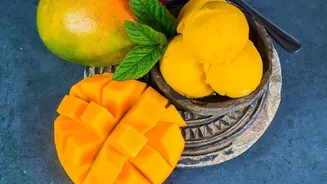
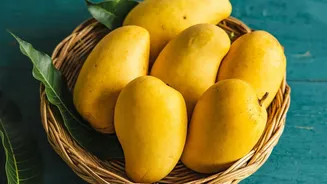
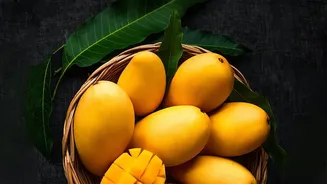
For Indian expatriates in the United States, it was a long-standing lament. While American grocery stores offered mangoes from South America, the taste of home—the specific aroma and flavour of an Alphonso or a Kesar—was missing. From 1989 to 2007, the United States had
a ban on fresh Indian mangoes. The official reason centered on phytosanitary concerns; the U.S. Department of Agriculture (USDA) feared that pests like fruit flies, hitchhiking on the produce, could devastate American agriculture. For nearly two decades, this technical barrier kept India's most celebrated fruit out of a major global market, much to the frustration of farmers and the diaspora.
The Dawn of 'Mango Diplomacy'
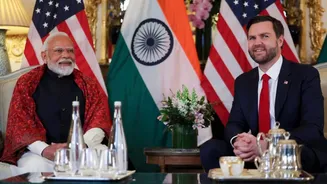
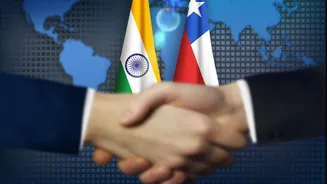
The breakthrough came in the mid-2000s, a period of significantly warming ties between Washington and New Delhi. During a visit to India in 2006, then-US President George W. Bush was treated to an Alphonso mango. His enthusiastic reaction—reportedly calling it a "hell of a fruit"—became a colorful footnote to a major diplomatic shift. Shortly after, officials from both nations finalized a deal. India agreed to adopt a USDA-approved irradiation process to eliminate pest concerns, a technical solution that finally satisfied American regulators. In April 2007, the first official shipment of Indian mangoes in 18 years landed in the United States, marking a historic moment.
More Than Just a Trade Deal
What made the mango agreement unique was its framing. This wasn't just another trade negotiation discussed in jargon-filled backrooms. It was publicly positioned as a symbol of a burgeoning friendship. In return for mango access, India agreed to open its market to an iconic American product: Harley-Davidson motorcycles, which had previously faced barriers related to India's emission norms. This 'mangoes-for-motorcycles' narrative was simple, powerful, and easy to grasp. It transformed a complex trade issue into a relatable story of mutual benefit, demonstrating a new level of trust and cooperation that went beyond the concurrently negotiated civil nuclear deal.
A Sweet Symbol of Soft Power
The arrival of the first shipment was met with widespread media coverage and excitement, especially within the Indian-American community. The New York Times reportedly called it one of the most eagerly anticipated fruit deliveries of the year. For many, the ability to finally buy authentic Indian mangoes was a tangible outcome of the strengthening US-India strategic partnership. This act of 'mango diplomacy' has proven to have an enduring legacy. In the years since, Indian consulates across the US have regularly hosted mango festivals and promotional events, continuing to use the fruit as a tool of cultural outreach. These events reinforce the narrative of shared tastes and cultural connections, keeping the spirit of the 2007 deal alive.