



The Dengue-Fighting Reputation
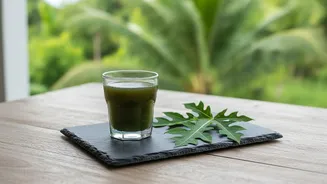
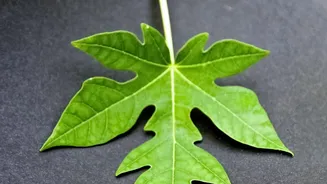
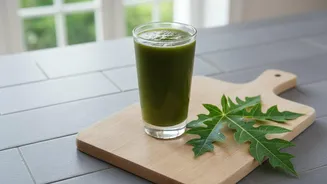
Papaya leaf extract, known scientifically as Carica papaya leaf extract (CPLE), is most famous for its use during dengue outbreaks. Dengue fever can cause a rapid drop in blood platelets, a condition called thrombocytopenia, which can lead to dangerous
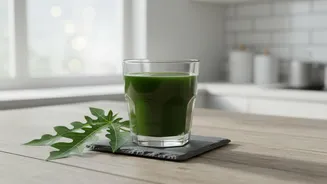
bleeding. The traditional belief is that consuming the leaf extract—often as a homemade juice—can halt this decline and speed up recovery. This remedy is so widespread that for many, it's an automatic response to a dengue diagnosis. The active compounds in the leaves, including flavonoids and alkaloids like carpaine, are thought to be responsible for these effects, potentially by stimulating bone marrow to produce more platelets.
What the Evidence Says
The “mixed evidence” part of the headline is key. Several clinical studies have investigated papaya leaf extract's effect on platelet counts in dengue patients, with some encouraging results. A number of randomized controlled trials found that patients who received papaya leaf extract, often in capsule form, saw their platelet counts rise faster than those who received only standard supportive care. Some research also suggests it may lead to shorter hospital stays. However, many of these studies are small, and the quality of evidence is sometimes considered weak. While the numbers on paper might improve, there isn't yet solid proof that the extract prevents the most severe outcomes of dengue, like plasma leakage or death. Doctors often caution that relying solely on this remedy and delaying medical care can be risky.
The Major Problem: No Standard Preparation
This is perhaps the biggest challenge for anyone considering papaya leaf extract. There is no single, universally accepted way to prepare or dose it. The concentration of active compounds can vary wildly depending on whether you are using fresh juice, a boiled concoction, a commercially sold capsule, or a liquid extract. The method of extraction (water, ethanol), the age of the leaves, and even where the plant was grown can all change its chemical makeup. One study noted that a homemade juice from 50 grams of fresh leaves was used, while another might use a 1000 mg capsule. This lack of standardization makes it impossible to guarantee a consistent, effective, or safe dose. What works in a controlled clinical trial using a specific extract might be very different from the juice made in a home kitchen.
Risks and Important Precautions
While short-term use of papaya leaf extract appears to be relatively safe for many, it's not without risks. The most common side effects are digestive issues like nausea and stomach upset, partly due to the juice's intensely bitter taste. Allergic reactions are also possible, especially for people with a latex allergy. More serious concerns involve potential interactions with medications. Because it may affect platelet activity, it should not be taken with blood thinners like warfarin without a doctor's supervision. It might also interact with diabetes medications by lowering blood sugar. Due to a lack of safety data, it is generally recommended that pregnant women avoid using it.