






The Great Protein Boom
Walk down any supermarket aisle, and you'll see it: protein has become the star nutrient. From dedicated supplements to everyday foods like biscuits and drinks, the message is clear—more protein is better. The numbers confirm this isn't just a feeling.
The Indian protein market is experiencing explosive growth, projected to expand from around USD 1.62 billion in 2026 to USD 2.22 billion by 2031. Another estimate suggests the protein-based product market could grow at a staggering 14.7% annually through 2034. This boom is fuelled by rising health awareness, growing fitness culture, and a perception of protein as a shortcut to wellness. Brands are capitalizing on this, marketing protein as the solution for everything from muscle gain to weight management and healthy ageing.
How Much Do You Really Need?
With marketing messages constantly screaming for more, it's easy to believe we're all protein deficient. The reality is more nuanced. The Indian Council of Medical Research (ICMR) provides clear guidelines based on the needs of the Indian population. For a healthy but sedentary adult, the recommendation is 0.83 grams of protein per kilogram of body weight. This means a person weighing 65 kg needs about 54 grams of protein daily, while a 55 kg person needs around 46 grams. This is an amount easily achievable through a balanced diet. While needs increase for athletes, pregnant women, or those with specific health goals, the ICMR explicitly advises against regular use of protein supplements for muscle building, citing potential health risks and a lack of additional benefits beyond a certain point. Studies show that protein intake greater than 1.6 grams per kg of body weight per day does not lead to further gains in muscle mass.
Marketing Claims vs. Nutritional Reality
Marketers often create a 'health halo' around products with added protein, making items like protein-infused sodas or snacks seem healthier than they are. Many of these products can be high in sugar, unhealthy fats, or sodium, offsetting any potential benefits. There's also the issue of protein quality. Not all protein is created equal; some plant-based proteins in processed foods may not provide all the essential amino acids your body needs. Furthermore, the idea that more is always better is a myth. Excessive protein intake can put a strain on your kidneys and liver, lead to dehydration, and in some cases, may be associated with an increased risk of heart disease, especially if sourced heavily from red meat.
Decoding the Label: A Smart Shopper's Guide
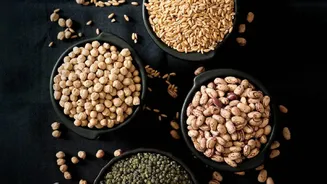
Navigating the crowded protein aisle requires a critical eye. First, ignore the bold claims on the front and turn the package over. Look at the 'per serving' protein content, not the 'per 100g' value, as serving sizes can be misleading. Check the ingredients list for fillers like maltodextrin, a cheap carbohydrate, and look at the total sugar content. A quality protein powder should be low in sugars and unnecessary additives. For whole foods, prioritise sources like lentils (dal), chickpeas, paneer, eggs, and lean meats. These provide high-quality protein along with other essential nutrients and fibre that supplements lack. Before buying any supplement, ask yourself why you need it. Often, a balanced diet is more than enough to meet your daily requirements.