


The World's Risky Diet
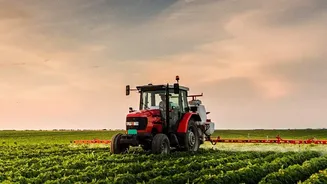
For decades, the global food system has been built on a dangerously narrow foundation. Just three crops—maize, wheat, and rice—provide more than half of all calories consumed worldwide. This lack of diversity makes our food supply incredibly vulnerable.
A single new disease, a prolonged drought, or a sudden heatwave in a major growing region can have catastrophic consequences, threatening food security for millions. As extreme weather events become more common, the cracks in this system are becoming more apparent. Experts agree that diversification is key to survival, and that means looking beyond the usual suspects to what are sometimes called 'orphan' or 'opportunity' crops.
Meet Fonio: The Ancient Grain of the Future
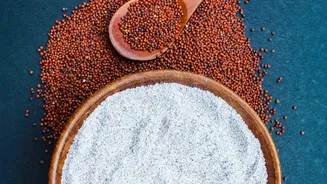
Enter Fonio, an ancient grain that has been cultivated in the dry Sahel region of West Africa for over 5,000 years. Part of the millet family, it looks like a cross between couscous and quinoa, with a light, nutty flavour. For centuries, it has been a lifeline for communities, often called the “hungry season rice” because it matures faster than most other cereals. It can be ready to harvest in as little as six to eight weeks, providing food during the critical period when last year’s stores are dwindling and new crops have yet to mature. Despite its long history and cultural importance, Fonio has largely been ignored by global agricultural research and investment.
Nature's Climate-Proof Crop
What makes Fonio so special is its incredible resilience. It is exceptionally drought-tolerant, thriving in poor, sandy soils where other major cereals would fail. It requires very little water and no fertilizer, making it an ideal crop for the arid and semi-arid lands that are expanding due to climate change. This toughness allows farmers to cultivate land that might otherwise be unproductive, helping to prevent soil erosion and combat desertification. Its ability to grow quickly with minimal inputs means it has a low carbon footprint and supports biodiversity, offering a model for sustainable agriculture in a warming world.
A Nutritional Powerhouse
Beyond its environmental benefits, Fonio is also a nutritional giant. It is rich in iron, zinc, magnesium, and B vitamins. Crucially, it contains a superior profile of essential amino acids, particularly methionine and cysteine, which are often lacking in other major grains like wheat, rice, and maize. This makes it a complete protein source, which is especially valuable in plant-based diets. Fonio is also naturally gluten-free, making it a safe and nutritious option for people with celiac disease or gluten sensitivities. Its low glycemic index is another benefit, offering a good carbohydrate source for managing blood sugar levels.
The Hurdles to a Fonio Future
If Fonio is so remarkable, why isn't it grown everywhere? The primary challenge has historically been its laborious processing. The grains are tiny and difficult to remove from their husks. This has traditionally been done by hand, a time-consuming process that has limited its production to a subsistence scale. Furthermore, like many orphan crops, it has received little to no investment in research, breeding for better varieties, or market development. However, this is beginning to change. Recent innovations in milling and de-husking equipment are making processing easier, and a growing global interest in healthy, gluten-free, and sustainable foods is creating new markets.