







Two Rules to Rule the Road
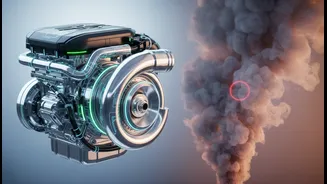
To understand the change, you first need to know the two main rulebooks for cars in India. First, there are the Bharat Stage (BS) emission standards, currently BS-VI. Think of these as a check on your car's tailpipe. Their job is to limit harmful pollutants
that cause air pollution, like nitrogen oxides (NOx) and particulate matter (PM). These rules apply to every single car model sold. Then there are the Corporate Average Fuel Economy (CAFE) norms. These don't look at individual cars but at the entire fleet of vehicles a manufacturer sells in a year. CAFE's goal is different: it targets fuel efficiency to reduce overall carbon dioxide (CO2) emissions, which is a major greenhouse gas. The less fuel a car burns, the less CO2 it emits.
The Proposed Decoupling Explained
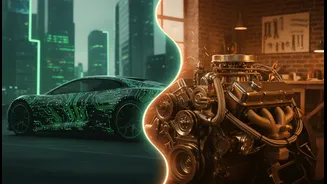
Historically, these two sets of rules have been linked, working in tandem to push manufacturers towards making cleaner and more efficient cars. The new proposal, laid out in draft CAFE-III norms from the Ministry of Power, seeks to formally separate them. The plan is for the next phase of fuel economy targets (CAFE-III) to run from April 2027 to 2032, with its own set of progressively stricter goals. Meanwhile, BS emission standards would continue to govern tailpipe pollutants independently. The draft rules are currently open for public and industry feedback until early August 2026. This move suggests a more targeted approach, allowing regulators to tweak fuel economy and air pollution policies on separate tracks.
Why Separate Them Now?
The government's stated aims are to enhance energy security by reducing dependence on imported oil and to curb overall emissions. Separating the norms provides more flexibility. For instance, it allows for a more nuanced system of credits and incentives. The draft CAFE-III rules propose, for the first time, giving special recognition to ethanol and biofuels by allowing manufacturers to claim lower-than-actual emissions for cars using them. This aligns with the government's push for alternative fuels. It also allows for a more complex tradable credit system, where a company exceeding its fuel efficiency targets could sell credits to one that falls short. This market-based mechanism is designed to incentivise innovation and the adoption of greener technologies like EVs and strong hybrids without being rigidly tied to the separate goal of criteria pollutant reduction under BS norms.
What It Means for the Auto Industry
This change creates a new playing field for car manufacturers. The industry has been sharply divided on the proposal. Makers of smaller, more fuel-efficient cars may find it easier to meet the fleet average, while those specialising in larger SUVs might face bigger challenges or need to invest more heavily in hybrid and EV technology to balance out their portfolio. The proposal includes 'super credits' for selling EVs and hybrids, which can help offset less efficient models. The new rules also introduce a debate about how different vehicle types are treated, with some automakers arguing for special considerations for small cars. Ultimately, the policy will force all manufacturers to strategise carefully, balancing their mix of petrol, diesel, CNG, hybrid, and electric vehicles to meet the average CO2 emission targets for their entire fleet.
The Impact on Car Buyers and the Environment
For consumers, this regulatory shift will likely have mixed effects. In the long run, the push for greater fuel efficiency should lead to cars that cost less to run, saving money on fuel. However, the technology required to meet these stricter norms—whether it's advanced engines, hybrid systems, or lightweight materials—could increase the initial purchase price of vehicles. The separation of norms clarifies India's dual environmental goals: tackling urban air quality through BS norms and addressing climate change through CAFE norms. While stricter fuel economy standards directly combat CO2 emissions, ensuring that BS norms remain strong and are enforced is critical for the air we breathe in our cities. This proposal is a fine-tuning of India's strategy, aiming for a cleaner fleet without stifling industry growth.