




Small Space, Big Flavour
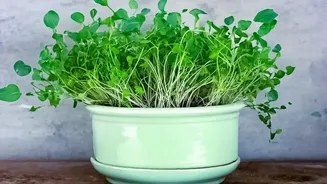
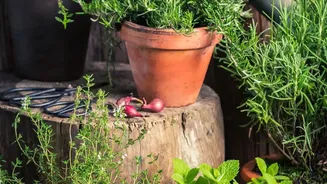
The single biggest advantage of herbs is their compact nature. Unlike vegetables that require large plots or deep containers, most herbs are perfectly happy in small pots on a windowsill, a kitchen counter, or tucked into a corner of a balcony. This makes
them ideal for the typical Indian apartment where space is at a premium. You don't need a sprawling terrace; a single well-lit window can host a variety of flavours, from fresh pudina for your chutney to Tulsi for your morning tea. This vertical-friendly nature allows you to create a lush, green, and edible patch without sacrificing valuable living area.
Forgiving for Beginners
If you're new to gardening, the fear of failure can be a major hurdle. Herbs are wonderfully forgiving plants and many are resilient to common beginner mistakes. Varieties like mint and holy basil (Tulsi) are famously low-maintenance and can bounce back from occasional neglect. They don’t require complicated care routines, making them a great confidence booster. The experience of successfully keeping a plant alive and watching it thrive provides the encouragement needed to continue and perhaps even expand your indoor garden. This low-risk, high-reward dynamic is what makes herbs the perfect 'gateway plant' for aspiring urban gardeners.
The Joy of a Quick Harvest
Patience is a virtue, but instant gratification is a powerful motivator. Many herbs grow incredibly quickly, offering a harvest within weeks. Coriander (dhania) and fenugreek (methi) can produce usable leaves in as little as three to four weeks from sowing. This rapid growth cycle means you don’t have to wait months to enjoy the fruits of your labour. Being able to snip fresh leaves for your dal or garnish a dish with greens you grew yourself provides an immediate and satisfying connection to your food, making the entire process more engaging and enjoyable from the start.
Adaptable to Apartment Light
While most vegetables demand six to eight hours of direct, strong sunlight, many popular herbs are more flexible. An east-facing balcony that receives gentle morning sun is perfect for growing herbs like coriander and mint. Even a north-facing window with only indirect light can support some shade-tolerant varieties. While sun-loving herbs like Tulsi do appreciate more light, many others thrive in the partial shade conditions common in apartment buildings, making it much easier to find a suitable spot for your garden.
Five Essential Herbs for the Indian Kitchen
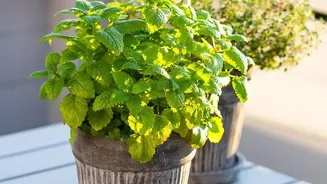
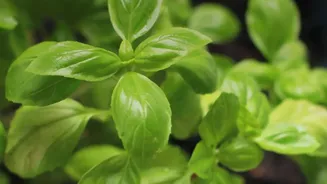
Getting started is as simple as picking a few pots. Here are five easy-to-grow herbs that are staples in Indian cooking: 1. Mint (Pudina): Incredibly easy to grow, mint thrives in pots and loves moisture. Keep it in its own container as it spreads rapidly. It's perfect for chutneys, raitas, and refreshing drinks. 2. Coriander (Dhania): A kitchen essential. It prefers cooler weather and partial sun. For best results, lightly crush the seeds before sowing to improve germination. 3. Holy Basil (Tulsi): A resilient plant revered in many Indian homes, Tulsi is easy to maintain, loves sunlight, and requires moderate watering. Besides its cultural significance, its leaves are great for herbal teas. 4. Curry Leaves (Kadi Patta): While it starts slow, a curry leaf plant becomes a long-term, low-maintenance source of flavour for countless dishes. It loves bright sunlight and regular pruning encourages bushier growth. 5. Fenugreek (Methi): One of the fastest-growing herbs, you can harvest methi leaves within a few weeks for flavouring dals and making sabzis. It does well in partial sunlight with moderate watering.
From Pot to Plate in Seconds
The ultimate benefit is having fresh, aromatic flavours right at your fingertips. There is a significant difference in taste between fresh-cut herbs and store-bought ones that have been refrigerated and transported. Growing your own means you can harvest exactly what you need, just moments before cooking. This reduces food waste, saves money on expensive grocery store packets, and elevates your everyday meals with a burst of freshness. Furthermore, you have complete control over the growing process, ensuring your herbs are free from harmful pesticides.