


From Two Fleets to One Identity
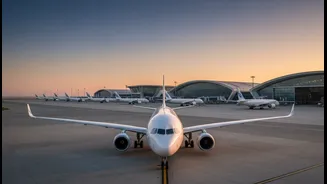
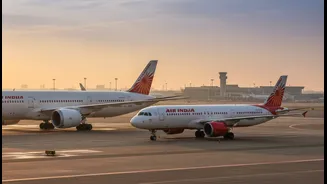
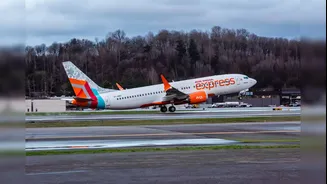
The need for a uniform cabin stems from the merger of two separate airlines: the original Air India Express and AIX Connect (formerly AirAsia India). This union, legally completed in October 2024, resulted in a combined fleet of over 100 aircraft, including
Boeing 737s and Airbus A320s, each with different seating arrangements, colour schemes, and onboard amenities. Some aircraft even featured a dual-class configuration with business class seats, which is inconsistent with the airline's low-cost carrier model. The current project aims to eliminate this inconsistency, ensuring that no matter which Air India Express plane a passenger boards, the look and feel will be the same. This harmonisation is a critical step in consolidating the new, singular brand.
What the New Cabin Experience Looks Like
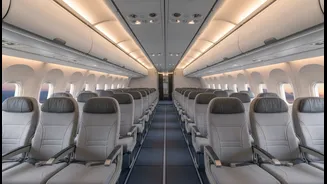
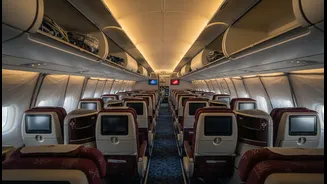
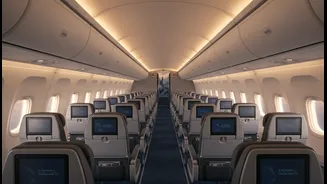
The new interior is a significant upgrade designed for comfort and convenience. Passengers can expect ergonomically designed synthetic leather seats from Collins Aerospace, featuring more comfortable cushioning and enhanced padding. The vibrant new colour scheme is built around the brand's energetic orange and turquoise palette. A key upgrade for modern travellers is the inclusion of in-seat power, with USB-C charging ports available for every passenger to keep their devices powered throughout the journey. The experience is further enhanced by Boeing's Sky Interior mood lighting, new carpets, and larger overhead bins for baggage, all contributing to a more modern and soothing cabin ambience.
The Scale of the Retrofit Operation
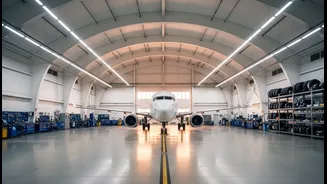
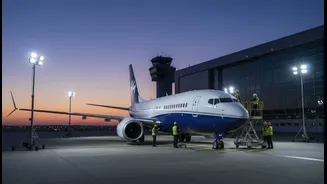
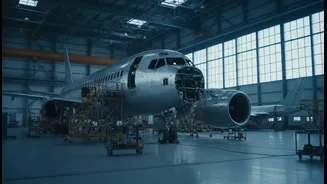
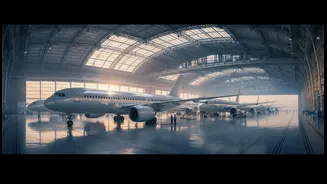
Standardising the interiors across a large and varied fleet is a massive logistical undertaking. The programme involves retrofitting all existing Boeing 737 and Airbus A320 family aircraft inherited from the two merged entities. The process for the Boeing 737 MAX aircraft, for instance, involves converting them to a standard all-economy layout of 189 seats. This not only creates consistency but also increases capacity. While brand-new aircraft are being delivered from Boeing's facility with the new interiors already installed, the bulk of the work involves taking older planes out of service and completely refitting their cabins. This complex process is being managed alongside a rapid fleet and network expansion, with the airline adding new aircraft every month.
More Than Just New Seats
This cabin overhaul is a cornerstone of a much broader business strategy. For the Tata Group, which acquired the airline in 2022, this is about transforming Air India Express into a formidable competitor in India's crowded low-cost market. A uniform fleet brings significant operational efficiencies, including simplified maintenance, common spare parts, and faster training for cabin crew. It also allows the airline to present a strong, consistent brand identity to customers, which was unveiled in late 2023. This consistency in product is essential for building customer loyalty and competing effectively against established players. The project also includes an enhanced dining service, 'Gourmair', which will offer a wider range of hot meals, made possible by installing ovens across the fleet.
The Road to March 2027
Achieving a fully harmonised fleet by March 2027 is an ambitious goal. The airline has already begun the process, with the first retrofitted aircraft re-entering service and newly delivered planes showcasing the final product. However, retrofitting dozens of aircraft is a time-consuming process that must be carefully balanced with the airline's busy flight schedule. The project is part of the larger Vihaan.AI transformation plan for the entire Air India Group, which also includes a multi-billion dollar refurbishment of Air India's wide-body fleet. While global supply chain issues have presented challenges to the industry's timelines, Air India Express remains focused on its target. For passengers, the successful completion of this project will mark the true arrival of a new, modernised Air India Express.