





The Direct Connection Boom
The demand for non-stop travel from India to global destinations has surged, and airlines have responded enthusiastically in 2026. A combination of fleet expansion by Indian carriers like Air India and IndiGo, and the strategic entry of international
airlines into new Indian gateways, has reshaped the travel landscape. This expansion is not just limited to the traditional hubs of Delhi and Mumbai; cities like Bengaluru and Hyderabad have emerged as significant players in the long-haul market. The focus is clear: provide seamless, point-to-point connectivity that saves time and enhances comfort, a welcome change from the long layovers that once defined international travel for many Indians.
From Delhi: Enhanced European and North American Links
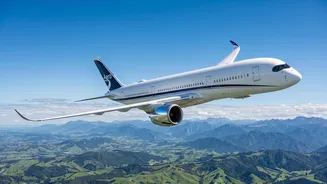
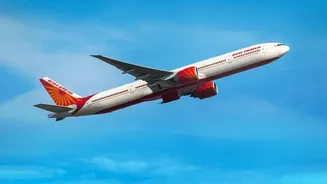
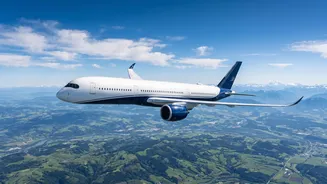
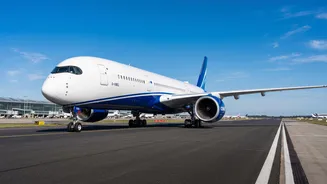
Delhi's Indira Gandhi International Airport continues to be a primary hub for new services. Air India has been a major driver of this growth, enhancing its network throughout 2026. Early in the year, the airline resumed its Delhi-Rome service and increased frequencies to Toronto. A significant development came in November 2026, when Air India resumed fully non-stop flights to New York (JFK) and Newark (EWR) after airspace restrictions that had forced a refuelling stop were eased. This move alone cut travel time by up to five hours on these popular routes. The Delhi services to New York are now operated with the airline's flagship Airbus A350-900 aircraft, featuring its latest cabin products, including a Premium Economy class. Additionally, the Delhi-Tokyo (Haneda) route also received an aircraft upgrade, introducing Premium Economy for the first time.
From Mumbai: Focus on US, UK and New Airport Shifts
Mumbai's Chhatrapati Shivaji Maharaj International Airport (CSMIA) has also seen significant route updates. Like Delhi, Mumbai's non-stop connectivity to New York (JFK) and Newark (EWR) was fully restored by Air India in late 2026. Looking towards Europe, Air India announced that from July 2026, its Mumbai-London (Heathrow) flights would be operated by new and retrofitted B787 aircraft, featuring all-new cabin interiors. A major story for Mumbai in 2026 has been the operationalization of the new Navi Mumbai International Airport (NMIA). To facilitate the redevelopment of CSMIA's Terminal 1, a phased shift of international flights to NMIA began in October 2026. This includes flights to 14 international destinations, mostly in the Middle East and Southeast Asia, such as Dubai, Doha, Riyadh, and Singapore.
From Bengaluru: A Rising Intercontinental Gateway
Bengaluru's Kempegowda International Airport (BLR) firmly established itself as a key international gateway for South India in 2026. A highlight was the launch of Swiss International Air Lines' first-ever service from South India, connecting Bengaluru with Zurich five times a week, which started in late October 2026. This adds to Lufthansa's existing direct flights to Frankfurt and Munich, giving Bengaluru direct links to six European cities. Air India also upgraded its services, with retrofitted aircraft introducing a Premium Economy cabin on the Bengaluru-London (Heathrow) route from August 2026. For travellers heading east, Vietnam Airlines announced increased flight frequencies from Bengaluru to Hanoi and Ho Chi Minh City starting in December 2026.
Tier-2 Cities Join the Network
The expansion isn't confined to metros. Air India Express, as part of its massive Winter 2026 schedule, launched over 40 new routes. This included a host of new international flights from Tier-2 cities, significantly boosting connectivity. Key additions include direct flights from Indore to Bangkok, Amritsar to Abu Dhabi, Chandigarh to Sharjah, and Bhopal to Sharjah. Mangaluru also gained new direct links to Kuwait and Ras Al Khaimah. This strategy allows travellers from these cities to bypass domestic connections, making international travel more convenient and accessible than ever before.