
What is a Subduction Zone?
A subduction zone is a place where two of Earth's tectonic plates collide. Tectonic plates are massive slabs of rock that make up the planet's outer shell, or lithosphere. These plates are not static; they drift across the surface at a rate of a few centimetres
per year. When two plates converge, one often slides beneath the other in a process called subduction. This typically happens when a dense, heavy oceanic plate meets a lighter, more buoyant continental plate. The oceanic plate is forced to dive down into the mantle, the hot, ductile layer beneath the crust. This process is the main driving force behind plate tectonics, without which the entire system could not operate.
The Pacific's Great Plunge
The Pacific Ocean is ringed by subduction zones, forming the famous 'Ring of Fire,' a hotbed of volcanic and seismic activity. The Pacific Plate is the largest tectonic plate on Earth, but it is actually shrinking. This is because much of its crust is old, cold, and therefore dense. As oceanic crust moves away from the mid-ocean ridges where it is formed, it cools and becomes heavier. This high density is the key reason it sinks so readily back into the mantle when it collides with a neighbouring plate. The immense weight of the sinking slab, a force known as 'slab pull,' is the primary driver of subduction, powerfully tugging the rest of the plate along behind it.
A Journey into the Mantle
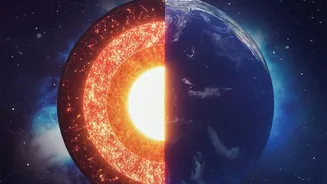
As the oceanic crust descends, it enters a realm of incredible heat and pressure. The sinking plate doesn't just melt away immediately. Instead, as it sinks deeper, the rising pressure and temperature force water out of the minerals within the crust. This water seeps into the overlying mantle rock, lowering its melting point and causing it to melt into magma. This buoyant magma then rises toward the surface, feeding the explosive volcanoes that characterize subduction zones, like Mount St. Helens in the United States or Mount Fuji in Japan. The subducted crust itself continues its journey, eventually being recycled back into the deep mantle.
Why This Planetary Recycling Matters
Subduction is one of the most important geological processes on Earth. It is directly responsible for some of the planet's most dramatic and hazardous events. The immense friction and stress built up between colliding plates are released as powerful earthquakes, which can trigger devastating tsunamis. But subduction is also a creative force. The process scrapes off sediment and chunks of crust from the sinking plate, plastering them onto the edge of the continent in what's known as an accretionary wedge, which helps build up landmass. The volcanic activity it fuels creates entire mountain ranges, like the Andes, and volcanic island arcs, such as Japan and the Aleutian Islands. In this way, subduction has helped create most of the continental crust we live on.