




The Problem with Cold Storage
That blast of cold air in your fridge is a powerful tool for slowing the growth of bacteria on perishables like dairy and meat. For many fruits and vegetables, however, it can be a flavour killer. The main culprit is a process called 'cold damage.' Cold
temperatures can rupture the delicate cell walls within produce, leading to a mushy, mealy texture. Furthermore, the cold can halt the natural ripening process, which is responsible for developing the complex sugars and aromatic compounds that give fruits their delicious taste. An unripe fruit placed in the fridge will never reach its full flavour potential. Essentially, while the fridge slows down decay, it can also switch off the very chemical processes that make food enjoyable to eat. The result is produce that lasts longer but tastes like a pale imitation of what it should be.
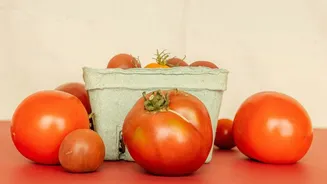
Tomatoes: Keep Them on the Counter
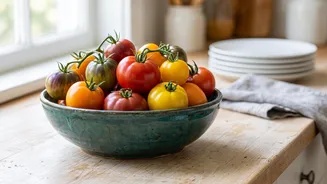
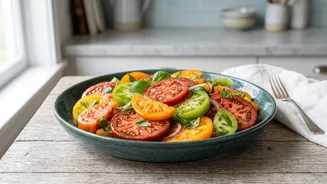
The most common victim of wrongful refrigeration is the tomato. A chilled tomato is a sad tomato. Cold temperatures halt the enzymatic processes that create its complex, sweet, and tangy flavour profile. The cold also damages the membranes inside the fruit's walls, resulting in that disappointingly mealy and watery texture. For the best taste, store whole tomatoes on your countertop, ideally out of direct sunlight. They will continue to ripen and develop flavour for several days. If you find they are ripening too quickly, you can then move them to the fridge for a day or two to slow things down, but be sure to let them return to room temperature before eating to help revive some of their dormant flavours.
Potatoes: Dark, Cool, and Dry
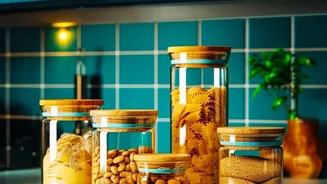
Putting raw potatoes in the fridge is a recipe for disappointment. The cold, moist environment encourages the starch within the potato to convert into sugar. This not only gives the potato an unpleasantly sweet taste but also affects its cooking properties, causing it to darken unevenly when fried or roasted. The ideal storage for potatoes is a cool, dark, and dry place with good air circulation, like a pantry or a cupboard. A paper bag or a basket works better than a plastic bag, which can trap moisture and accelerate spoilage. Crucially, keep them away from onions; the gases released by onions can cause potatoes to sprout prematurely.
Onions and Garlic: Let Them Breathe
Like potatoes, whole onions and garlic suffer in the high humidity of a refrigerator. The moisture can cause them to become soft, rubbery, and prone to mould. The cold can also trick garlic into thinking it's time to grow, causing it to sprout. Both of these alliums last longest when stored in a cool, dry place with plenty of air circulation. A mesh bag or a wire basket is perfect. Once you've cut into an onion or peeled garlic cloves, the rules change. At that point, they should be stored in an airtight container in the refrigerator and used within a few days.
Bread: The Counter or the Freezer
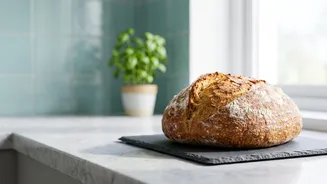
If you want to keep bread soft and flavourful, the refrigerator is its worst enemy. While the cold does slow mould growth, it dramatically speeds up the staling process. This happens through a process called starch retrogradation, where the starch molecules recrystallize and make the bread hard and dry much faster than at room temperature. For bread you plan to eat within a few days, the best place is on the counter in a bread box or its original bag. For long-term storage, slice the loaf and place it in the freezer. You can then toast slices directly from frozen as needed, preserving a much better texture.
But… Climate and Ripeness Matter
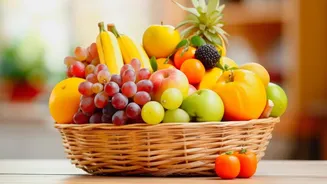
The advice to avoid the fridge isn't absolute. Your local climate and the food's condition play a huge role. In very hot and humid environments, like many parts of India, mould can grow on bread on the counter in just a day or two. In this case, refrigeration might be the lesser of two evils to prevent waste, especially if you plan to toast the bread anyway. Ripeness is another key factor. While you shouldn't refrigerate an unripe mango, a perfectly ripe one can be moved to the fridge to keep it at peak sweetness for a few extra days. The same goes for other fruits like peaches and plums, which ripen on the counter and are then refrigerated to extend their life. The goal is to let them develop flavour at room temperature first, then use the cold to press pause.