


The Art of Cold Brewing
Forget boiling the kettle. Cold brewing is a simple, hands-off method that produces a smoother, sweeter, and less bitter tea. The slow, gentle infusion in cold water extracts the delicate flavours of herbs and flowers without releasing the tannins that can
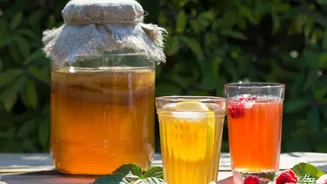
cause a sharp taste. To make it, you generally use more tea than you would for a hot brew—about one to two teaspoons of loose-leaf tea per cup of cold water. Simply combine the tea and water in a jar or pitcher, cover it, and let it steep in the refrigerator for 8 to 12 hours. Strain the leaves, and you're left with a perfectly chilled, flavour-packed beverage ready to enjoy.
Vibrant and Tangy Hibiscus
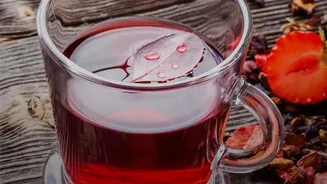
If you enjoy a tart, cranberry-like flavour, hibiscus tea is your perfect match. Its stunning ruby-red colour is as vibrant as its taste. Served cold, it’s incredibly refreshing and a fantastic replacement for sugary juices or sodas. Hibiscus is celebrated for being rich in antioxidants. Studies suggest it may also support heart health by helping to maintain healthy blood pressure and cholesterol levels. To prepare, steep dried hibiscus flowers in cold water in the fridge for at least eight hours. The result is a bold, invigorating drink that pairs wonderfully with a slice of orange or a sprig of mint.
Cooling and Crisp Peppermint
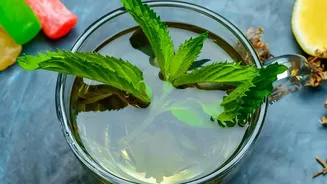
There's a reason peppermint is synonymous with 'refreshing'. The natural menthol in the leaves provides a cooling sensation that feels fantastic on a warm day. Cold-brewed peppermint tea is crisp, clean, and invigorating. It's an excellent caffeine-free option to sip throughout the day to boost hydration and focus. Peppermint tea has long been used to aid digestion, ease bloating, and soothe an upset stomach. Its aroma may also help clear your sinuses. Since it’s naturally sweet, it rarely needs any added sugar. Just steep fresh or dried peppermint leaves in cold water for a few hours for a revitalizing pick-me-up.
Calming and Floral Chamomile
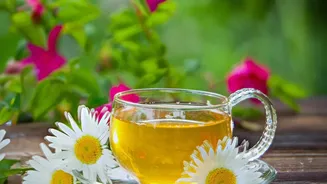
Known for its gentle, calming properties, chamomile is often enjoyed as a hot tea before bed. However, its delicate, apple-like floral notes are just as delightful when served cold. Cold brewing chamomile results in a smooth, honey-scented infusion without any bitterness. It’s a wonderful choice for a relaxing afternoon drink. Chamomile is packed with antioxidants and has anti-inflammatory properties. While many associate it with promoting sleep, it can also help soothe stomach discomfort. Enjoying it cold is a surprisingly refreshing way to benefit from this classic herbal remedy.
Earthy and Sweet Rooibos
Hailing from South Africa, rooibos (pronounced 'roy-boss') is a red herbal tea that is naturally caffeine-free and low in tannins, meaning it never gets bitter, no matter how long you brew it. It has a naturally sweet, nutty, and smooth flavour that makes for a deeply satisfying cold beverage. Rooibos is rich in antioxidants and has been linked to numerous health benefits, including supporting heart health and having anti-inflammatory properties. Because it’s so mellow, it's an excellent base for adding other flavours like vanilla, citrus, or spices. It's a robust, all-day hydrator that both kids and adults can enjoy.
Zesty Lemon and Ginger
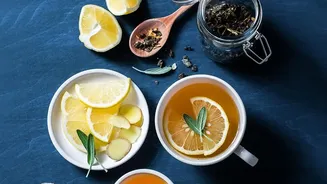
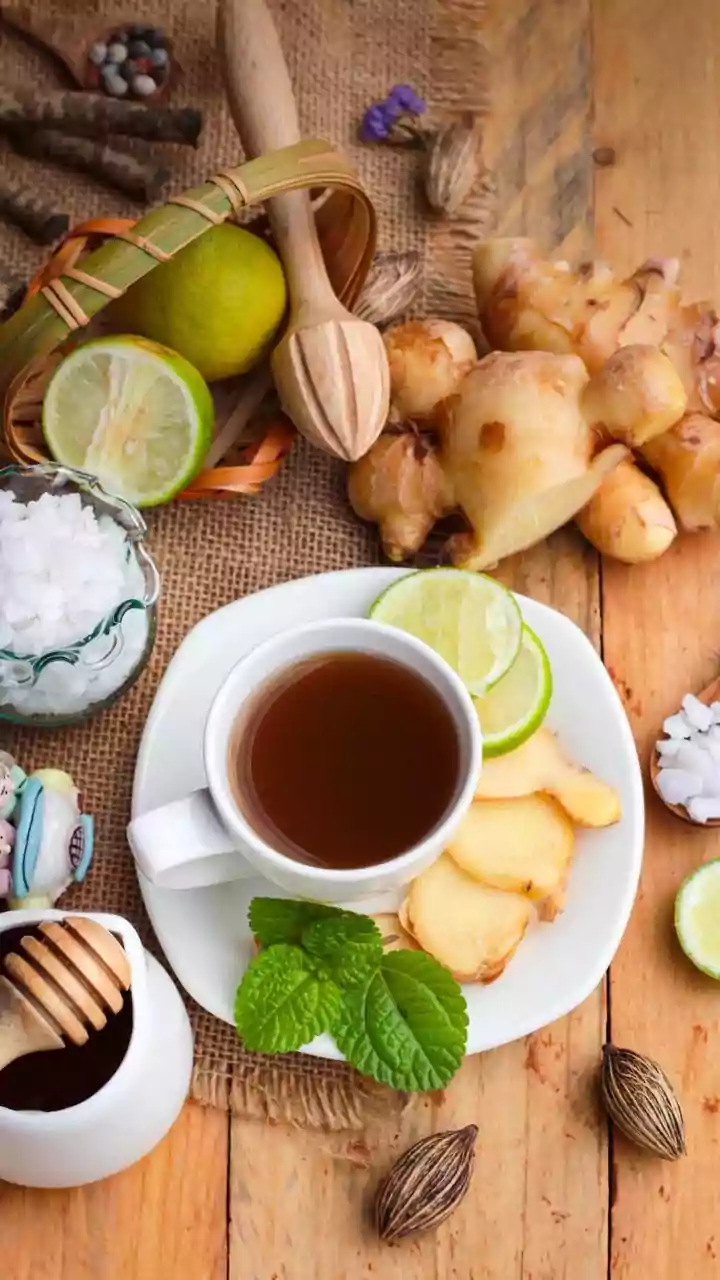
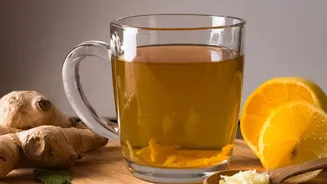
For a beverage with a bit more kick, a cold lemon and ginger infusion is hard to beat. While many root-based teas extract better with hot water, a combination of fresh lemon slices and ginger can still create a wonderfully zesty cold drink. This combination is a classic for a reason; it is known for boosting the immune system, thanks to the vitamin C in lemons and the anti-inflammatory properties of ginger. It is also widely used to aid digestion and soothe an upset stomach. For a stronger ginger flavour, you can briefly boil the ginger first, let it cool, and then add lemon and cold water for a longer infusion in the fridge.