




Beyond the Bread Box
If you maintain a sourdough starter, you're familiar with the routine of feeding, waiting, and baking beautiful loaves of bread. But that bubbling jar of wild yeast and bacteria is a versatile kitchen powerhouse waiting to be unleashed. Increasingly,
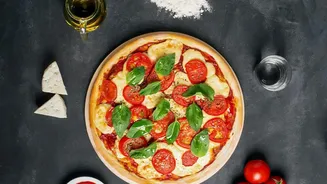
home bakers and pizzerias are looking beyond the loaf and using sourdough starter as a key ingredient in pizza dough. The reason is simple: it creates a crust that commercial yeast simply cannot replicate. This isn't just a novelty; it's a return to traditional methods, as the original pizzas were likely naturally leavened long before commercial yeast was available. The process unlocks a new dimension of flavour and texture, elevating your homemade pizza from good to unforgettable.
The Flavour Factor: A Delicious Complexity
The most immediate and noticeable benefit of using sourdough in pizza dough is the incredible depth of flavour. Commercial yeast works quickly, but it produces a relatively one-dimensional, neutral taste. Sourdough, on the other hand, relies on a slow fermentation process. During this extended time, the wild yeasts and beneficial bacteria in the starter produce complex organic acids and aromatic compounds. This results in a crust with a signature tangy, nuanced flavour that provides a perfect counterpoint to rich tomato sauce and savoury toppings. The level of tanginess can even be controlled; a longer, colder fermentation in the refrigerator will develop more sour notes, while a quicker, warmer rise will be milder.
A Superior Chew and Blistered Crust
Beyond flavour, sourdough fundamentally changes the texture of the crust for the better. The long, slow fermentation process gives the gluten in the dough more time to develop and relax, resulting in a crust that is both wonderfully chewy and impressively crisp. Enthusiasts praise the ballooned, blistered edges and the airy, open crumb that are hallmarks of a great sourdough pizza. Furthermore, the natural acids produced during fermentation make the dough more extensible, meaning it's easier to stretch thin without tearing. This process also contributes to better digestibility; the microbes essentially pre-digest the flour, breaking down complex starches and gluten, which can make the pizza feel lighter and easier on the stomach.
Starter vs. Discard: What to Use?
When making sourdough pizza, you have two main options: using active, bubbly starter or using unfed "discard." Using an active starter means you are relying solely on the wild yeast for leavening, just like in bread. This requires a longer fermentation time, often overnight or even up to a few days in the refrigerator. The reward is maximum flavour development and a beautiful, natural rise. On the other hand, you can use sourdough discard primarily for its flavour contribution. In these recipes, commercial yeast is also added to ensure a reliable and faster rise. This is a great option if you're short on time but still want that signature sourdough tang. Using discard from the fridge that's a few days old can even result in a more pronounced sour taste.
Tips for Sourdough Pizza Success
Making sourdough pizza is a rewarding process, and a few tips can help ensure success. First, be patient. Sourdough fermentation is much slower than with commercial yeast, especially if you're doing a cold ferment in the fridge. Second, get your oven hot—really hot. A preheated pizza stone or steel is crucial for achieving that crispy, browned bottom crust. Temperatures around 260°C (500°F) or higher are ideal. Finally, don't be afraid to let your dough rest. If it feels stiff or resists stretching, let it sit on the counter for 15-20 minutes. This allows the gluten to relax, making it much easier to shape into a perfect round without tearing.