



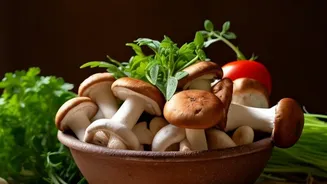


The Myth of the One 'Super' Vegetable
We often hear about 'superfoods'—a marketing term, not a scientific one—that promises a simple shortcut to health. While many foods are incredibly nutrient-dense, the idea that one vegetable can provide everything we need is a myth. A truly healthy diet
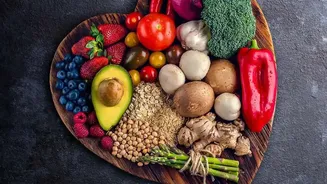
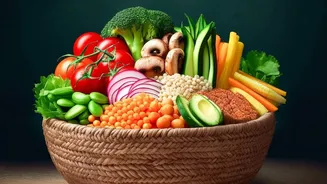
is not about finding the single most powerful ingredient but about creating a diverse plate. Different vegetables offer different vitamins, minerals, and phytonutrients. Studies have consistently shown that people who eat a wider variety of vegetables have a lower risk of chronic diseases. This is because each plant provides a unique toolkit of compounds that work together to support our bodies. So, the debate between mushroom and zucchini isn't about choosing a champion; it's about appreciating what makes each one a valuable player on your nutritional team.
The Case for Mushrooms: An Unsung Hero
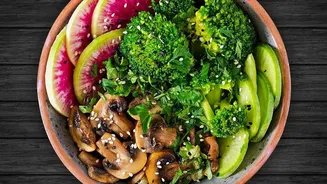
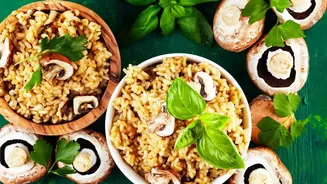
Often relegated to a pizza topping or a side dish, mushrooms are a nutritional powerhouse in their own right. They are one of the few plant-based, non-fortified sources of vitamin D, especially if they have been exposed to UV light during growth. But their main claim to fame, as the headline suggests, is their rich B vitamin content. Mushrooms are packed with riboflavin (B2), niacin (B3), and pantothenic acid (B5), all of which are crucial for helping the body convert food into energy and for maintaining a healthy nervous system. Furthermore, mushrooms provide the essential mineral selenium, a powerful antioxidant that helps protect cells from damage. They also contain potassium for heart health and unique antioxidants like ergothioneine, which some researchers call the 'longevity nutrient' for its potential role in healthy aging.
The Case for Zucchini: A Summer Staple
Zucchini, technically a fruit but used as a vegetable, brings its own impressive resume to the table. Its most significant contribution is an excellent dose of Vitamin C, a vital antioxidant that supports the immune system and helps the body absorb iron. Just one medium zucchini can provide a substantial portion of your daily vitamin C needs. It's also a great source of potassium, a mineral that helps regulate blood pressure and fluid balance in the body. Beyond that, zucchini is rich in Vitamin A, which is important for vision and immune function, as well as manganese and antioxidants like lutein and zeaxanthin, which are linked to eye health. Because it's over 90% water, it is very low in calories, making it a fantastic choice for adding volume and nutrients to meals without adding significant calories. For maximum benefit, don't peel it—the skin contains a large share of its nutrients.
How They Compare Side-by-Side
When you put them head-to-head, the differences become clear, highlighting why both are valuable. Zucchini is the clear winner for Vitamin C and Vitamin A content. On the other hand, many mushroom varieties offer a broader spectrum of B vitamins and are a significant source of selenium, which zucchini contains in much smaller amounts. Both are good sources of potassium, with mushrooms sometimes having a slight edge depending on the variety. Both are low in calories, fat, and sodium, and provide dietary fibre, which is important for digestive health. In terms of culinary use, both are incredibly versatile. Zucchini can be grilled, roasted, spiralized into 'zoodles,' or even baked into bread. Mushrooms offer a savoury, umami flavour that can provide a 'meaty' texture to vegetarian dishes, and can be sautéed, roasted, or added to soups and stews.