

Meet PUFFINS, the Dust Detective
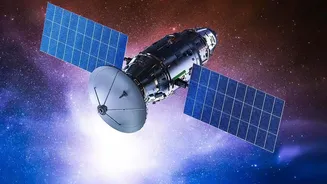
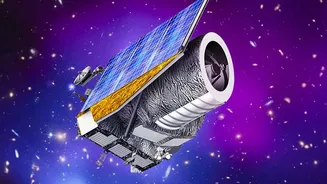
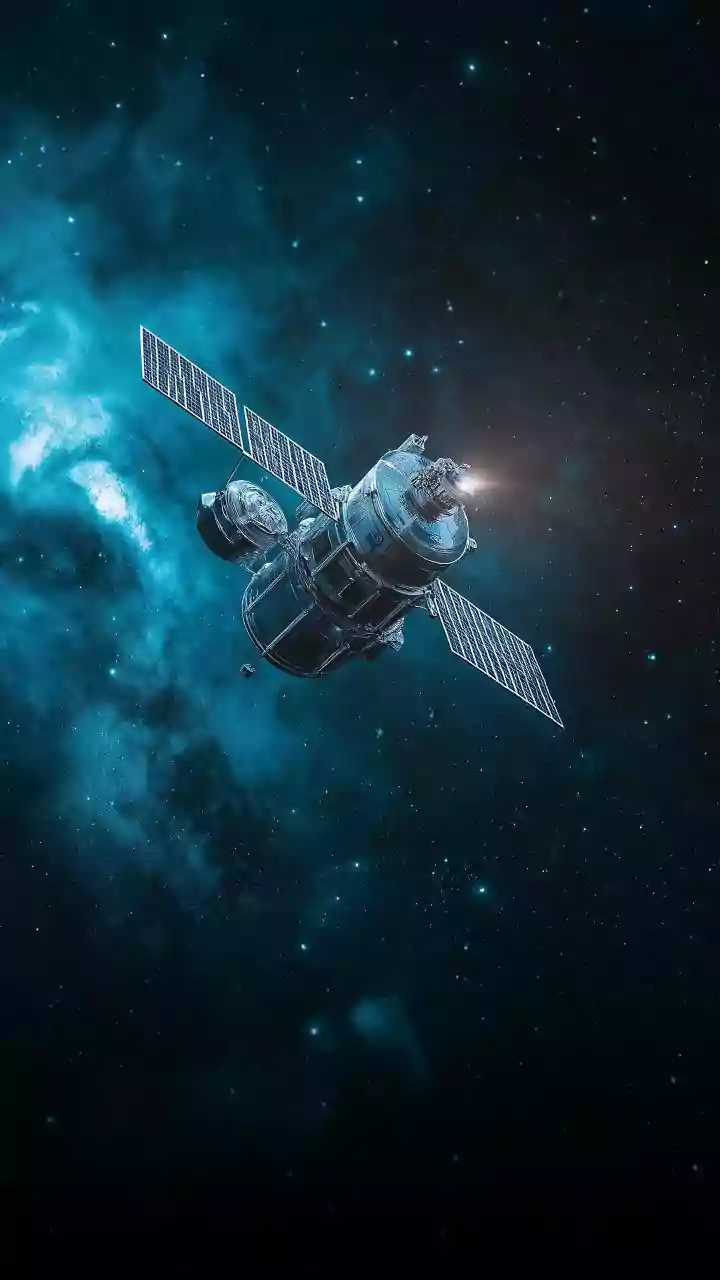
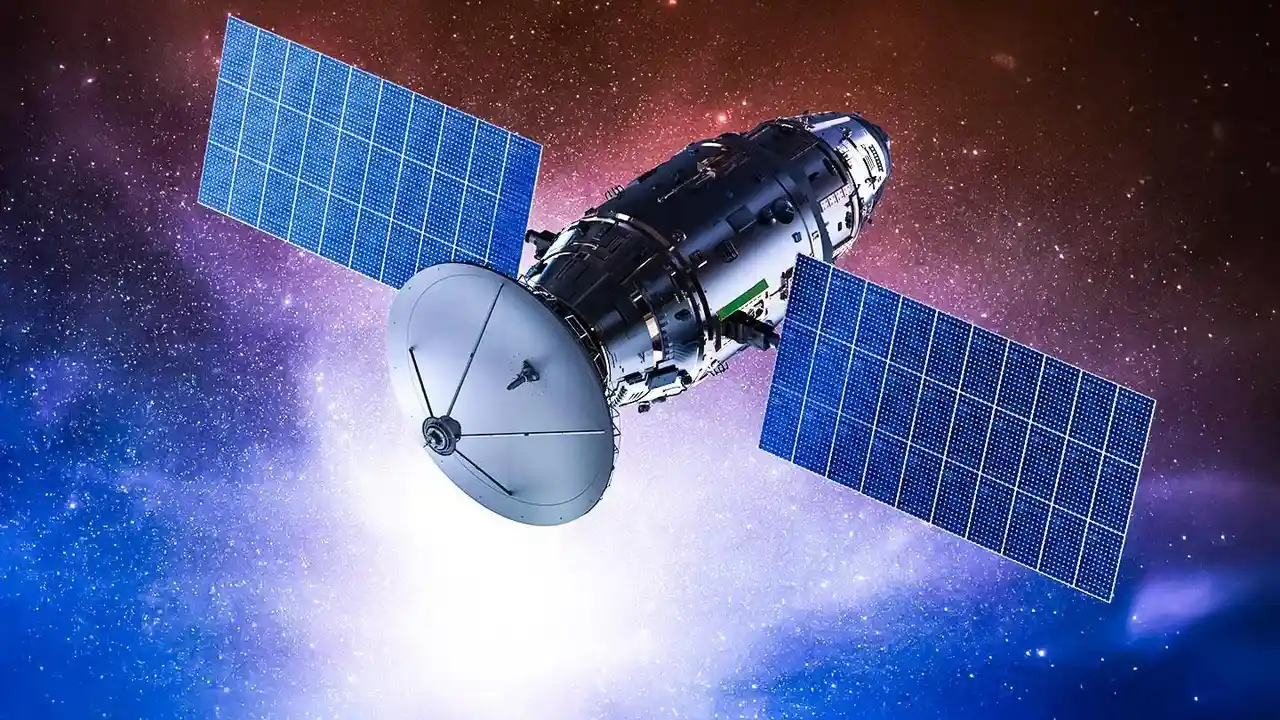
PUFFINS is not a seabird, but a small satellite with a big mission. Its full name is 'Polarimetry in the Ultraviolet to Find Features in INterStellar dust'. This $20 million NASA-funded project, led by the University of Arizona, is essentially a specialized
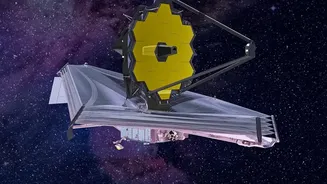
space telescope designed for a very specific task: to study the properties of interstellar dust. Unlike massive projects like the James Webb Space Telescope, PUFFINS is part of the Astrophysics Pioneers program, which focuses on smaller, targeted missions that can answer key scientific questions quickly and efficiently. At its heart is a 10-inch telescope that will operate from low-Earth orbit, staring at dozens of stars to see how their light has been changed by the dust it passes through on its long journey to us. It is expected to launch around 2030 and will provide crucial data for future flagship missions like the Habitable Worlds Observatory.
Cosmic Dust Is Not Household Dust
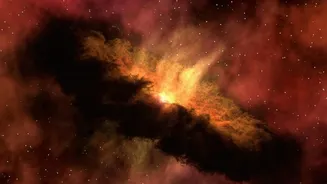
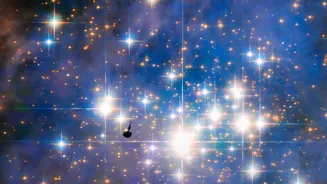
When we think of dust, we picture the stuff on our shelves, which is mostly dead skin and fibers. Interstellar dust is something else entirely. It’s the raw material from which stars, planets, and even we are made. These tiny grains are primarily composed of elements forged inside stars and blown out into space when those stars die. A typical dust particle has a core made of silicate (sand-like) or carbon-based material (soot-like), often covered by a mantle of ices like water, methane, and ammonia. Though these particles are minuscule, often smaller than the wavelength of visible light, they make up about one percent of the mass of all the material between stars. This 'dust' is a crucial component in the life cycle of the galaxy.
The Seed of Stars and Planets
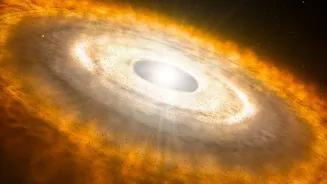
So why dedicate an entire mission to this cosmic dust? Because it plays a fundamental role in how the universe works. These grains act as nurseries for new molecules, providing surfaces where atoms can meet and react, forming more complex compounds, including organic ones. In dense, cold clouds, these dust grains stick together, eventually gaining enough mass and gravity to collapse and form new stars and planetary systems. Our own solar system was born from such a cloud of gas and dust billions of years ago. Understanding the properties of this dust—its composition, size, and shape—is therefore essential to piecing together the story of star and planet formation across the cosmos.
Using Polarized Light to See the Invisible
PUFFINS won't be taking direct pictures of dust grains. Instead, it will use a clever technique called polarimetry. Starlight travels in waves, and normally these waves vibrate in all directions. However, when starlight passes through interstellar dust, it can become polarized, meaning the waves start vibrating in a preferred direction. This happens because many dust grains are not spherical and tend to align themselves with the galaxy's magnetic fields, acting like a giant polarizing filter. By measuring the amount and angle of this polarization in the ultraviolet spectrum—a technique that hasn't been used in space for decades—PUFFINS can deduce an incredible amount of information. It can help scientists figure out the size, shape, and composition of the dust grains responsible for the effect.
Solving Long-Standing Cosmic Mysteries
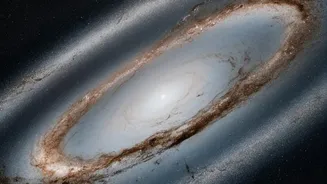
The PUFFINS mission aims to answer specific, long-standing questions. Scientists have known for decades that something in space blocks and reddens the light from distant stars, an effect called 'interstellar extinction'. A mysterious dip in this starlight occurs at a specific ultraviolet wavelength (2175 Ångstroms), and its cause is still debated. By studying the polarization around this feature, PUFFINS could finally identify the type of grain responsible. Furthermore, the mission will investigate why the light from some stars is more polarized in the ultraviolet than theories predict. This will help refine our models of the interstellar medium and the powerful magnetic fields that shape our galaxy. By studying around 70 different stars, PUFFINS will build a detailed map of how dust varies across different parts of the Milky Way, providing a vital bridge to understanding how habitable worlds might form elsewhere.