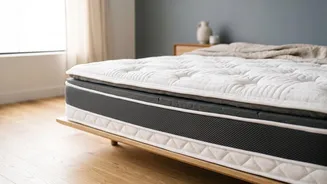







Finding Your Ideal Firmness
Firmness isn't the same as support; it's about how a mattress feels. While support is about spinal alignment, firmness is the immediate sensation of soft, medium, or hard. The right level for you depends heavily on your primary sleeping position and body
weight. Side sleepers often need a soft to medium-firm mattress (a 3–6 on a 1-10 scale) to cushion the shoulders and hips. Back sleepers typically do best with a medium-firm mattress (5–7) that supports the natural curve of the spine without letting the hips sink too low. Stomach sleepers generally require a medium-firm to firm surface (7–10) to prevent the midsection from sagging and straining the lower back. Your body weight also plays a role. Lighter individuals may find a standard medium-firm mattress feels too hard, while heavier individuals often need a firmer model for adequate support.
Getting the Size Right
Choosing the correct mattress size is crucial for comfort and ensuring it fits your room and bed frame. In India, standard mattress sizes are slightly different from international ones and can even vary between brands, especially in length. The most common sizes are Single, Double, Queen, and King. A Single (typically 36 inches wide) is ideal for children, teenagers, or single adults in a small room. A Double (around 48 inches wide) works well for a single adult who wants more space or for couples in a very compact room. The Queen (usually 60 inches wide) is the most popular choice for couples, offering ample space without dominating the bedroom. A King size (72 inches wide) provides maximum room, making it perfect for couples who want extra space or share the bed with a child. Always measure the inner dimensions of your bed frame before buying, as names like 'Queen' can have different lengths (e.g., 72, 75, or 78 inches).
A Guide to Mattress Materials
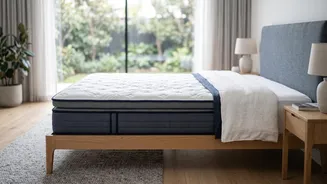
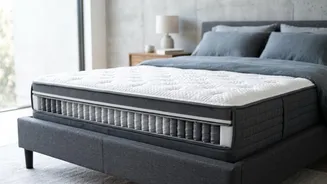
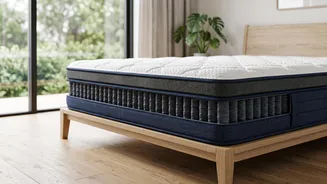
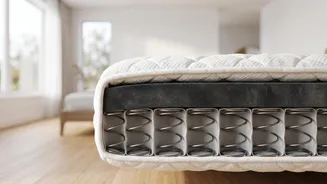
The material of your mattress dictates its feel, durability, and performance. The most common types each have distinct pros and cons. Innerspring mattresses use a network of steel coils, making them bouncy, breathable, and often more affordable, but they can transfer motion from a partner. Memory foam mattresses are known for their excellent pressure relief and motion isolation, as the foam contours to your body. However, traditional memory foam can sometimes trap heat. Latex mattresses, made from natural or synthetic rubber, are durable, responsive, and tend to sleep cooler than memory foam, but can be heavy and more expensive. Hybrid mattresses combine an innerspring coil base with top layers of foam or latex, aiming to provide the best of both worlds: the support and airflow of coils with the comfort and pressure relief of foam.
Decoding the Warranty Conditions
A mattress warranty protects you against manufacturing defects, not a dislike of the firmness. The most common covered issue is sagging, but there's a catch: the warranty only applies if the indentation exceeds a certain depth, typically 1 to 1.5 inches, without a person on the bed. Warranties are often 'pro-rated', meaning that after the first year or two, the company will only cover a portion of the replacement cost, which decreases over time. Many actions can void a warranty, such as staining the mattress (using a mattress protector is crucial), using an improper bed frame that provides inadequate support, or removing the 'do not remove' law tag. Always read the fine print to understand what is covered, for how long, and what your responsibilities are as the owner.
Don't Forget the Trial Period
Perhaps more important than the warranty is the trial period. Many online mattress companies offer a trial, often for 100 nights or more, allowing you to sleep on the mattress at home before committing. This is critical because it can take your body up to 30 days to adjust to a new sleeping surface. A few minutes in a showroom can't tell you how you'll feel after eight hours of sleep. A trial period lets you assess comfort and support in a real-world setting. If you decide the mattress isn't right for you within the trial window, you can typically return it for a full refund. Check the terms carefully, as some companies require you to sleep on it for a minimum period (like 30 nights) before initiating a return.