



The Sweet Misconception
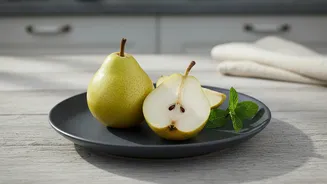
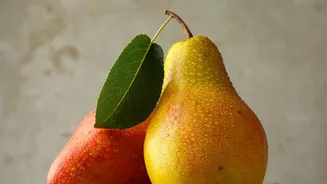
The primary concern with sweet foods is their sugar content and the subsequent spike in blood glucose levels. A medium-sized pear does contain natural sugar, about 17 grams. However, it's crucial to distinguish this from the added sugars found in processed
snacks and drinks. The sugar in pears is fructose, but it comes packaged with a wealth of other nutrients that completely change how your body processes it. Unlike a sugary beverage that sends a rapid rush of sugar into your bloodstream, the pear delivers its sweetness in a much more controlled and beneficial manner.
Fibre is the Hero
The real star of the show when it comes to Nashpati is its incredible fibre content. A single medium-sized pear can provide around 6 grams of dietary fibre, which is a significant portion of the daily recommended intake. This fibre, both soluble and insoluble, is key to why the pear's sugar isn't a problem. Fibre slows down the entire digestive process, which means the sugar from the fruit is absorbed into the bloodstream much more gradually. This prevents the sharp spikes and subsequent crashes in blood sugar and energy that are associated with high-sugar, low-fibre foods.
A Low Glycemic Index Food
For those managing their blood sugar, the glycemic index (GI) is a vital tool. It ranks foods on a scale of 0 to 100 based on how quickly they raise blood sugar levels. Pears are considered a low-GI food, with a score typically ranging from 20 to 49. This low score is a direct result of their high fibre content. Eating a pear won't cause a rapid surge in blood glucose, making it a safe and suitable fruit choice for many people, including those with diabetes who are practising portion control.
A Treasure Trove of Nutrients
Focusing only on the sugar makes you miss out on the wealth of other health benefits a Nashpati offers. Pears are a good source of Vitamin C, which is vital for immune function, and Vitamin K, important for bone health and blood clotting. They also provide essential minerals like potassium, which helps regulate blood pressure, and copper, which is involved in immunity and nerve function. Furthermore, the skin of the pear is packed with powerful antioxidants like flavonoids and anthocyanins (in red-skinned varieties), which help fight inflammation and reduce the risk of chronic diseases, including heart disease and type 2 diabetes.
How to Enjoy Pears the Right Way
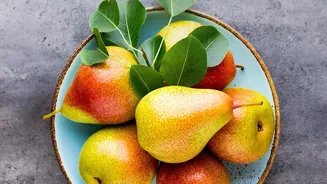
To get the maximum benefit from your Nashpati, how you eat it matters. It is always best to eat the fruit whole and with its skin on, after a thorough wash. The skin contains a large amount of the fruit's fibre and antioxidants. Turning pears into juice strips away the beneficial fibre, leaving you with concentrated fruit sugar. While canned pears can be an option, it's important to choose those packed in water or their own juice, not in sugary syrup. As with any food, moderation is key. A medium-sized pear makes for a perfect, satisfying snack that delivers natural sweetness without the negative consequences of processed treats.