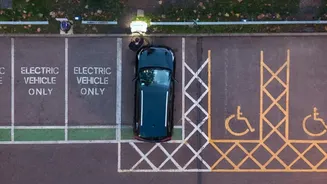





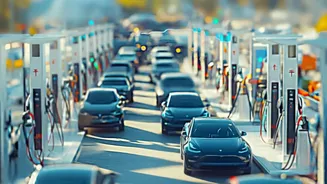
India's electric vehicle market is heating up, and the sales numbers from October 2026 prove it. A massive year-on-year surge has shaken up the leaderboard, with one legacy automaker making a powerful move towards the top.
An Electrifying Surge
October 2026 was a landmark month
for India's electric passenger vehicle segment. According to data from the Federation of Automobile Dealers Associations (FADA), retail sales of electric cars skyrocketed to 37,049 units. This represents a staggering 76.47% increase compared to the 20,995 units sold in October 2025. This impressive growth is even more notable when contrasted with the overall passenger vehicle market, which saw a decline during the same period. The strong performance boosted the market share of electric vehicles to 7.3% of all passenger cars sold in the month, more than double their 3.5% share from the previous year. This shows a clear and accelerating shift in consumer preference towards electric mobility, driven by factors like improved vehicle range, more competitive pricing, and rising fuel costs.
Mahindra's Decisive Move to Second
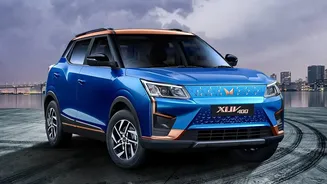
The biggest story within the sales boom is Mahindra & Mahindra's ascent to the number two position in the market. The Indian automotive giant sold 8,538 electric vehicles in October, marking an incredible 85.65% year-on-year growth and a healthy 9.74% increase from the previous month. This performance pushed its market share up to nearly 24%. The success is attributed to strong demand for its growing portfolio of electric SUVs, including models like the BE.06 and XEV 9e. By solidifying its spot behind the market leader, Mahindra has fired a warning shot, signaling that the race for EV dominance is becoming a two-horse race between domestic titans.
Tata Motors Still Wears the Crown
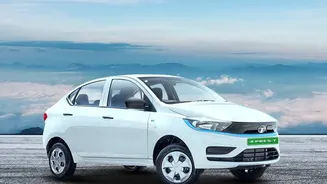
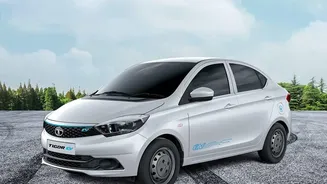
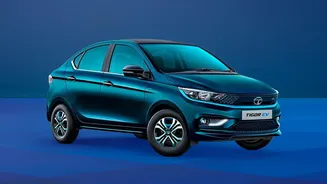
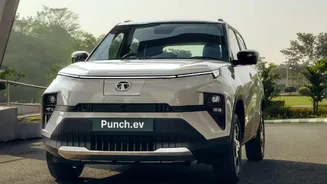
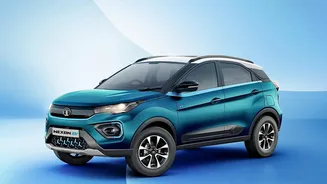
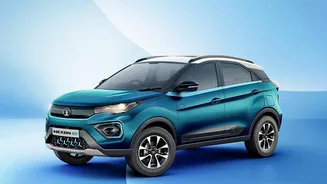
Despite the intensified competition, Tata Motors continues to hold the top spot in India's EV market. The company retailed 14,669 electric vehicles in October 2026, demonstrating a robust 77.61% year-on-year growth. With a commanding market share of approximately 40%, Tata's leadership remains undisputed for now. Its multi-pronged strategy of offering EVs across various price points, from the accessible Tiago EV and Punch EV to the popular Nexon EV, has been instrumental to its sustained success. However, while its annual growth is strong, the company saw a marginal month-on-month dip in sales, indicating that rivals are successfully chipping away at its dominance.
A More Competitive Field
Beyond the top two, the field is becoming more crowded and dynamic. JSW MG Motor India secured the third position with 5,939 units, showing steady growth. Vietnamese newcomer VinFast has also made a dramatic impact, establishing itself as a significant player in just over a year with 2,571 units sold in October. Other brands like Kia, Maruti Suzuki, and Hyundai are also making their presence felt, each carving out a niche in the expanding market. This rising tide of competition is ultimately a win for Indian consumers, who now have more choices than ever across different price brackets and vehicle types. The battle for market share is set to intensify even further as more models are launched and charging infrastructure continues to improve.